

Key Highlights
- Increased drone usage in Sudan is altering military strategies.
- The conflict has displaced millions, creating a humanitarian crisis.
- El Obeid is a strategic focal point in the ongoing warfare.
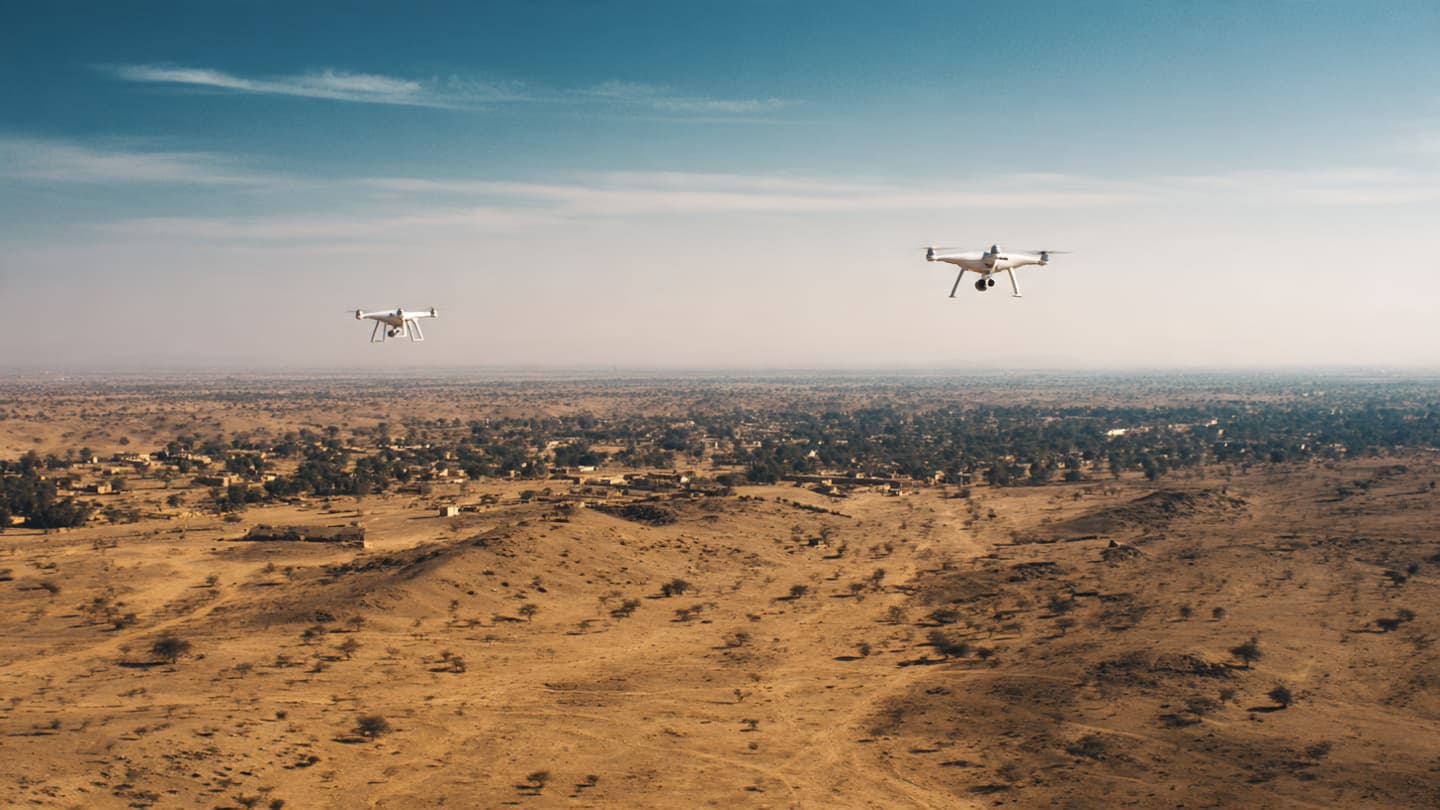
The landscape of warfare is continuously evolving, particularly with the integration of advanced technologies like drones. In Sudan, the ongoing conflict has seen a significant uptick in drone deployment, fundamentally altering military strategies and the experiences of civilians caught in the crossfire. Reports indicate that the Sudanese Armed Forces have intensified their use of drones, particularly around El Obeid, as they monitor the movements of the paramilitary Rapid Support Forces (RSF). This shift highlights the changing nature of combat in a region already grappling with immense humanitarian challenges.
Military analysts emphasize that drones provide commanders with enhanced surveillance capabilities and precision strike options, which can significantly influence operational decisions. The growing reliance on unmanned aerial vehicles (UAVs) reflects a broader trend in modern warfare, where technology increasingly dictates the dynamics of conflict. As the situation in Sudan continues to evolve, the implications of drone warfare are becoming more pronounced, raising concerns about civilian safety and the humanitarian impact of such tactics.
El Obeid, strategically located in central Sudan, has emerged as a critical battleground due to its logistical significance. Control over transportation routes and supply lines is vital for both the Sudanese Armed Forces and the RSF, making the city a focal point of military operations. The conflict, which erupted in April 2023, has already resulted in one of the largest humanitarian crises globally, with millions displaced internally and many seeking refuge in neighboring countries.
Humanitarian organizations are increasingly alarmed by the expanding hostilities, which have now infiltrated both urban and rural areas. The damage inflicted on infrastructure, healthcare facilities, and essential services complicates relief efforts, leaving many civilians vulnerable and in dire need of assistance. The situation is exacerbated by the ongoing violence, which has made it challenging for aid organizations to operate effectively.
Despite international mediation efforts aimed at establishing a lasting ceasefire, progress has been slow. Temporary truces have occasionally reduced violence, but a sustainable political resolution remains elusive. The international community continues to call for dialogue and humanitarian access, emphasizing the urgent need for a peaceful resolution to the conflict.
For the residents of Sudan, the increasing prevalence of drone warfare adds another layer of uncertainty to an already devastating situation. As the conflict continues to unfold, the implications of this modern warfare tactic will likely shape the future of Sudan and its people.
Published by Banx Network. This article is part of the Banx decentralized media programme, powered by the BXE token on the XRP Ledger.




