Inside an aircraft factory, even the smallest object can carry an importance far greater than its size. Beneath the polished surface of a passenger aircraft lies a world of carefully assembled components, each expected to meet strict standards before the aircraft begins its life in the sky. At Airbus, that quiet process of inspection recently brought the A330neo production line into focus after an unexpected discovery inside an aircraft structure.
A tool was found inside the tail section of an A330 aircraft during a pre-delivery inspection. Airbus described the incident as an isolated quality issue involving a horizontal tail plane, a structure that contributes to controlling the aircraft during flight.
The discovery led Airbus to inspect A330 aircraft that were still moving through production. Deliveries were halted during June and July while the company examined the situation and worked to identify how the object had remained inside the aircraft structure.
The A330neo is part of Airbus’ wide-body aircraft family and is used by airlines for long-distance passenger routes. The aircraft is assembled through a production network that stretches across several European facilities, with components manufactured and integrated before completed aircraft are delivered to customers.
Airbus said the issue had been resolved and deliveries had resumed. According to figures reported by Reuters, the company delivered no A330 aircraft in June or July, while one A330 was delivered in August as the production process gradually returned to its normal rhythm.
The affected horizontal tail plane is manufactured at Airbus facilities in Spain. Airbus did not disclose where the aircraft was located when the tool was left inside the structure or precisely when the object was discovered during the inspection process.
The incident also touches on a familiar concern within aviation manufacturing known as foreign object damage, or FOD. Tools, materials, equipment, and other objects can unintentionally remain inside aircraft structures during complex manufacturing or maintenance work. Finding such objects before delivery is therefore an important part of aviation quality control.
Modern aerospace manufacturers use increasingly sophisticated systems to reduce those risks. Tool tracking, identification technologies, inspection procedures, and digital monitoring can all contribute to maintaining control over thousands of individual components and pieces of equipment moving through large production facilities.
For Airbus, the discovery resulted in a temporary interruption rather than a prolonged shutdown of the A330neo program. Deliveries have resumed, while the company has continued its inspection and quality-control procedures. The episode illustrates the detailed rhythm of aircraft manufacturing, where an aircraft can remain grounded for inspection even when the issue itself appears small.
AI Image Disclaimer
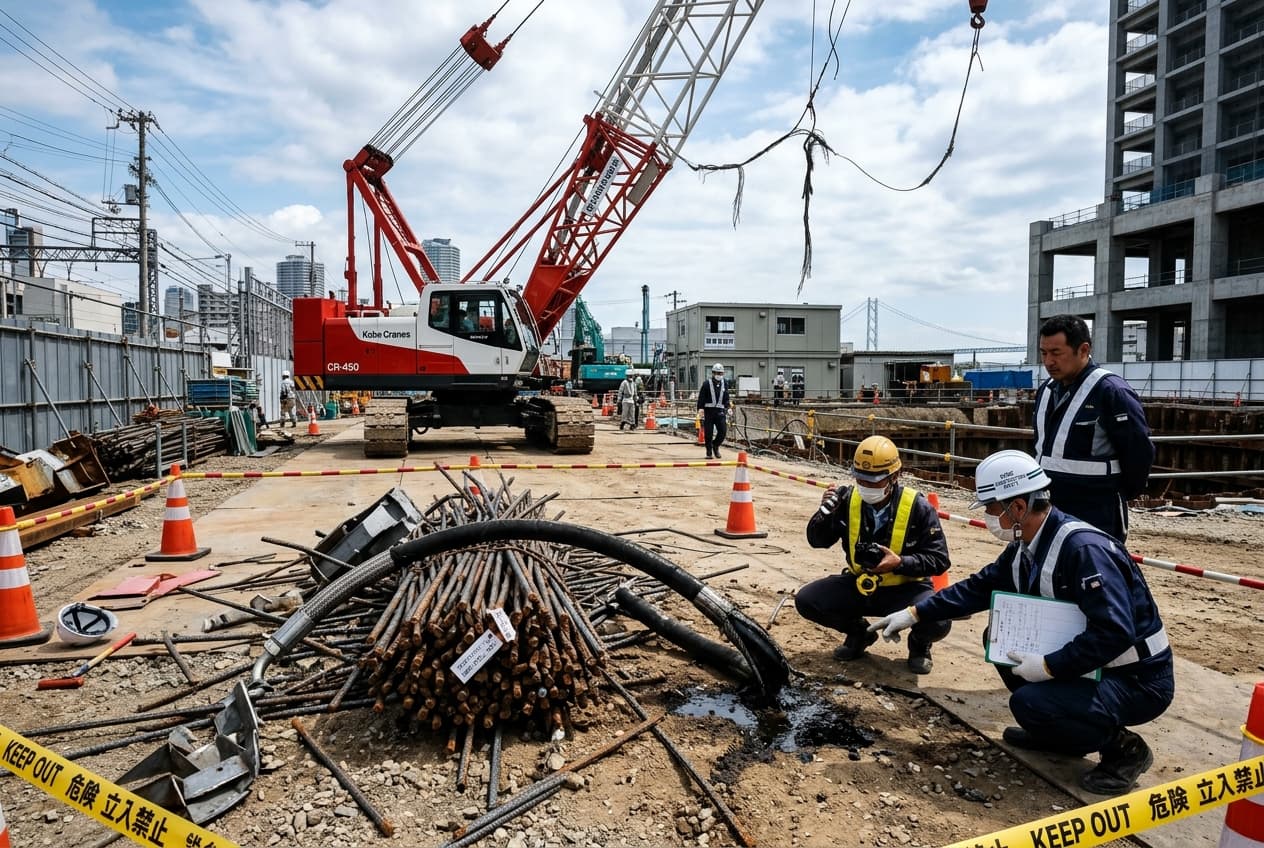
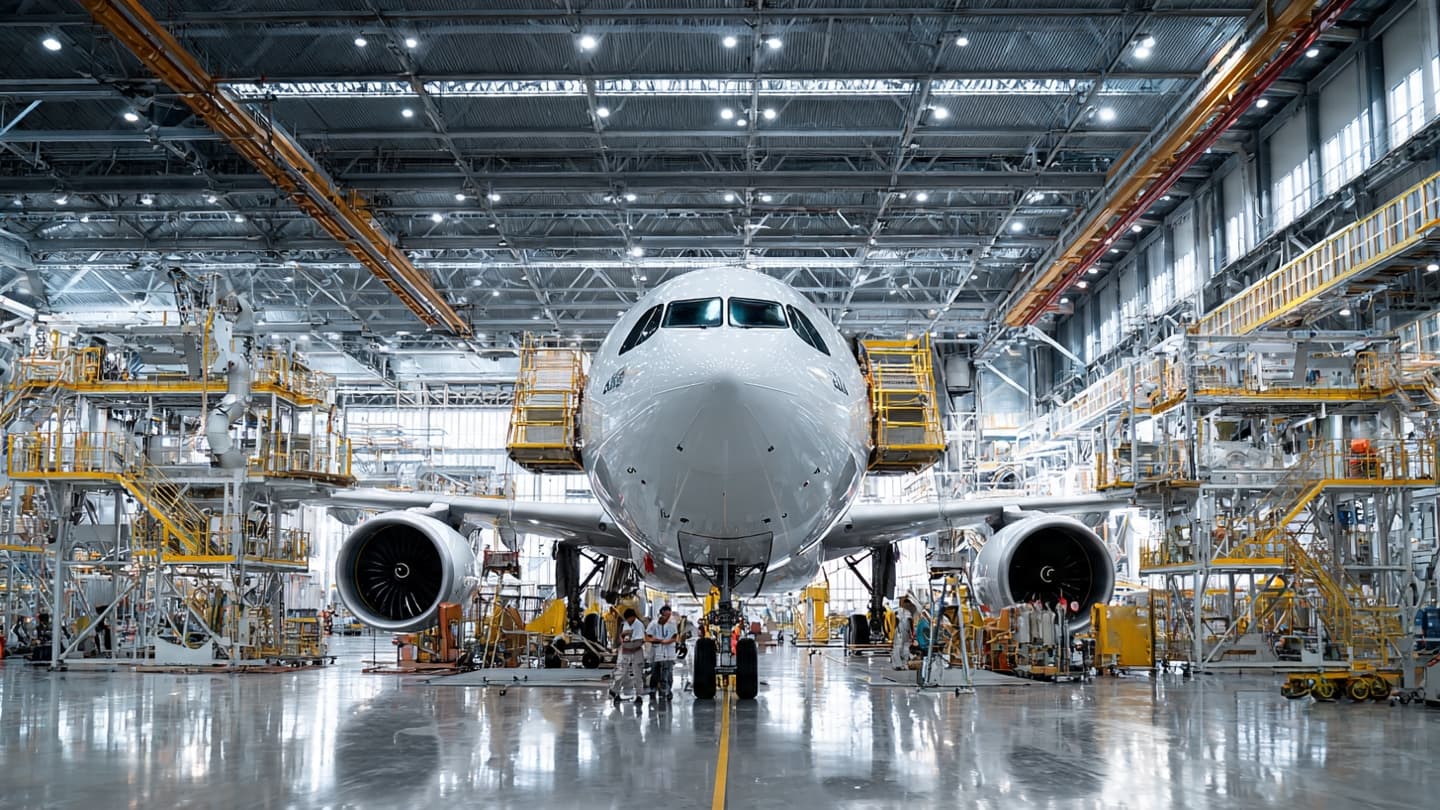
The accompanying visuals were produced using AI technology and should be viewed as conceptual illustrations rather than authentic photographs.
Sources
Reuters
Published by Banx Network. This article is part of the Banx decentralized media programme, powered by the BXE token on the XRP Ledger.