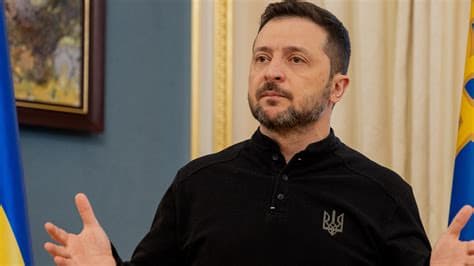
There are moments in public life that resemble a tide going out — the shoreline of leadership laid bare, the familiar contours of authority receding into shifting sands. When the highest civil servant in a modern democracy leaves his post not after a long tenure but in a swirl of change, observers pause. For weeks, like scattered leaves caught in a gentle autumn wind, rumors and quiet briefings whispered of unsettled confidence and strained relationships at the heart of government. And on February 12, 2026, Sir Chris Wormald, who had stepped into the role just over a year earlier, stood down as the Cabinet Secretary and Head of the Civil Service — a quiet figure at the center of the administrative state, now a very visible sign of transformation inside Downing Street.
At its best, the civil service is described as the still waters beneath the surface of political motion — steady, impartial, and far from the glare of partisan spotlight. Sir Chris Wormald, whose career in public service spanned more than three decades, embodied that ideal: a career official whose work was rooted in the day-to-day upkeep of government machinery. But these are times in British politics when the quiet cadence of civil administration meets the rising tide of political urgency. With several senior aides departing Number 10 Downing Street over recent weeks and controversy swirling around high-profile ambassadorial appointments, his brief tenure was cast against a backdrop of pressure and renewal.
In a statement issued by the Cabinet Office, both Sir Chris and Prime Minister Sir Keir Starmer described his departure as agreed “by mutual consent,” underscoring gratitude for his long service and the weight of the years he devoted to public life. But as many observers noted, the decision came at a moment of broader reshuffling — and, for some inside and outside Whitehall, with elements of impatience and fractured trust evident beneath the polite language of official pronouncements.
For now, the reins of the civil service’s most senior office are temporarily held by a trio of permanent secretaries, while speculation swirls about who will ultimately fill the role and what that choice will signify for the future of British administration. In the polite exchange of thanks and well-wishes, there remains the unmistakable sense that another chapter of institutional leadership has turned.
In the ebb of this change, quiet confidence gives way to questions about institutional continuity and the interplay between political direction and civil impartiality. For Sir Chris Wormald — a familiar name in corridors far from the public square — the page now turns toward retirement and reflection after a long career. Around the wider circle of government, leaders and officials alike chart a new course for the months ahead.
AI IMAGE DISCLAIMER “Visuals are created with AI tools and are not real photographs.”
SOURCES :
• Reuters
• The Guardian
• Sky News
• ITV News
• Financial Times
Published by Banx Network. This article is part of the Banx decentralized media programme, powered by the BXE token on the XRP Ledger.