
Key Highlights
- Yacht linked to Putin spotted off Denmark.
- Accompanied by Russian warships, raising security concerns.
- Denmark's strategic location heightens geopolitical tensions.
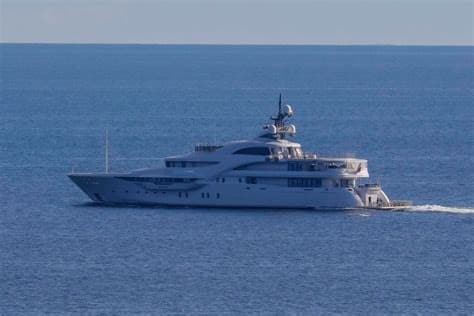
A yacht believed to be linked to Russian President Vladimir Putin was recently observed operating in the waters off Denmark, reportedly under the protection of Russian warships. This sighting has sparked significant scrutiny, as the presence of naval escorts in such contexts is rarely neutral and often carries deeper implications regarding security and geopolitical signaling.
The primary concern surrounding this incident is the potential signaling effect of the Russian naval presence. In contested maritime regions, the deployment of warships to escort a high-profile vessel can be interpreted as more than just a security measure. It may indicate a strategic intent to deter interference from other nations, as well as a desire to shape perceptions of Russian capabilities and resolve in the region. For European observers, the sighting serves as a stark reminder of Russia's ability to project military power and concentrate protective resources when deemed necessary.
Denmark's geographical position is particularly significant in this context. It serves as a crucial chokepoint for maritime traffic between the North Atlantic and the Baltic Sea. Consequently, any movement of a vessel associated with a prominent political figure like Putin, especially when accompanied by military escorts, draws heightened attention from regional authorities, naval forces, and analysts monitoring maritime readiness and patrol patterns.
In practical terms, the presence of a naval escort can provide tangible security benefits for the yacht, including enhanced surveillance, threat identification, and rapid response capabilities should any unauthorized vessels attempt to approach. This protective measure is crucial even in the absence of an immediate threat, as it serves as a deterrent against potential interference.
This incident also feeds into broader discussions about maritime enforcement and the risks of escalation. The escorting of a politically significant private vessel can quickly heighten tensions, as neighboring states may perceive it as a provocative act. Conversely, Russia may frame the escort as a routine security operation. In such a politically charged environment, what is considered “normal” at sea can have significant repercussions on land, influencing diplomatic relations and military posturing.
Looking ahead, the implications of this sighting will largely depend on the emergence of additional evidence, such as confirmation of the yacht’s ownership or connections to Putin, details regarding the composition and track of the escorting warships, and whether similar movements occur in the near future. Analysts will be closely monitoring whether the escort pattern aligns with standard operational procedures or represents a deliberate show of force intended to attract attention.
Published by Banx Network. This article is part of the Banx decentralized media programme, powered by the BXE token on the XRP Ledger.



