They awoke to a sudden tremor, as though the earth beneath whispered rebellion. In the morning calm, the sea swelled with warning, and the surface of waves became a messenger of danger. In the southern Philippines, a 7.4 magnitude earthquake struck offshore, transforming quiet shores into scenes of fear, urgency, and displacement. The shockwaves carried more than rupture: they carried the fragile hope that disaster might be averted.
The quake’s epicenter lay near the coast of Davao Oriental province, off Manay town, at a depth measured by the Philippine seismology authority. Immediately, alarms rang through coastal regions, as both local agencies and the U.S. Tsunami Warning System issued alerts — threatening that waves exceeding a meter could reach vulnerable shores. Citizens in multiple provinces were urged to move inland, climb to higher ground, abandon shoreline homes, and brace for what nature might send.
Coastal towns responded quickly. Fishermen pulled vessels away from shorelines, families gathered in evacuation centers, and rescue teams stood poised at readiness. In some areas, buildings cracked, transmission lines snapped, walls shook; in others, children were ushered from classrooms, stunned and fearful. The governor of Davao Oriental confirmed at least two fatalities, and infrastructure damage was reported in towns close to the quake zone.
In the hours that followed, the tsunami alerts were lifted — authorities declaring that wave heights remained minimal, that the immediate danger had passed. But aftershocks rattled shaken nerves, and warnings lingered: more tremors could follow, damage could manifest deeper, lives could still be at risk. The quake came days after another deadly seismic event in the Philippines, adding to the sense that earth’s restraint is never guaranteed.
Geologically, the quake aligns with the Philippine Trench region, where the Pacific and Philippine Sea plates intersect, a zone long known for seismic tension. The event underscores the fragility of coastal communities, the urgency of preparedness, and the fact that, in a moment, life can shift underfoot.
The Philippine Institute of Volcanology and Seismology (PHIVOLCS) reported the earthquake measured 7.4 in magnitude and struck at roughly 43 km east of Manay, Davao Oriental, at a depth of 23 km. The U.S. Pacific Tsunami Warning Center issued a tsunami threat alert for coasts within 300 km of the epicenter, though the warning was later withdrawn after waves proved inconsequential.
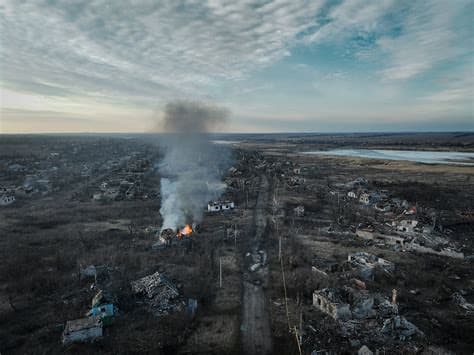
AI Image Disclaimer: “Visuals are created with AI tools and are not real photographs.”
Sources: Reuters, Associated Press, Washington Post, Al Jazeera, Philippine Institute of Volcanology
Hashtags:
Published by Banx Network. This article is part of the Banx decentralized media programme, powered by the BXE token on the XRP Ledger.