There is a certain stubbornness in the universe that scientists are still learning to appreciate. A planet of molten rock, orbiting so close to its star that its surface should be a perpetual ocean of lava, ought to be stripped bare—its atmosphere boiled away by radiation, its gases torn into space by stellar winds. That is what theory predicts. That is what decades of models have assumed. And yet, when the James Webb Space Telescope turned its gaze toward a world called TOI-561 b, it found something that should not have been there: a thick, reflective blanket of atmosphere, defying expectations and raising questions about how such planets endure .
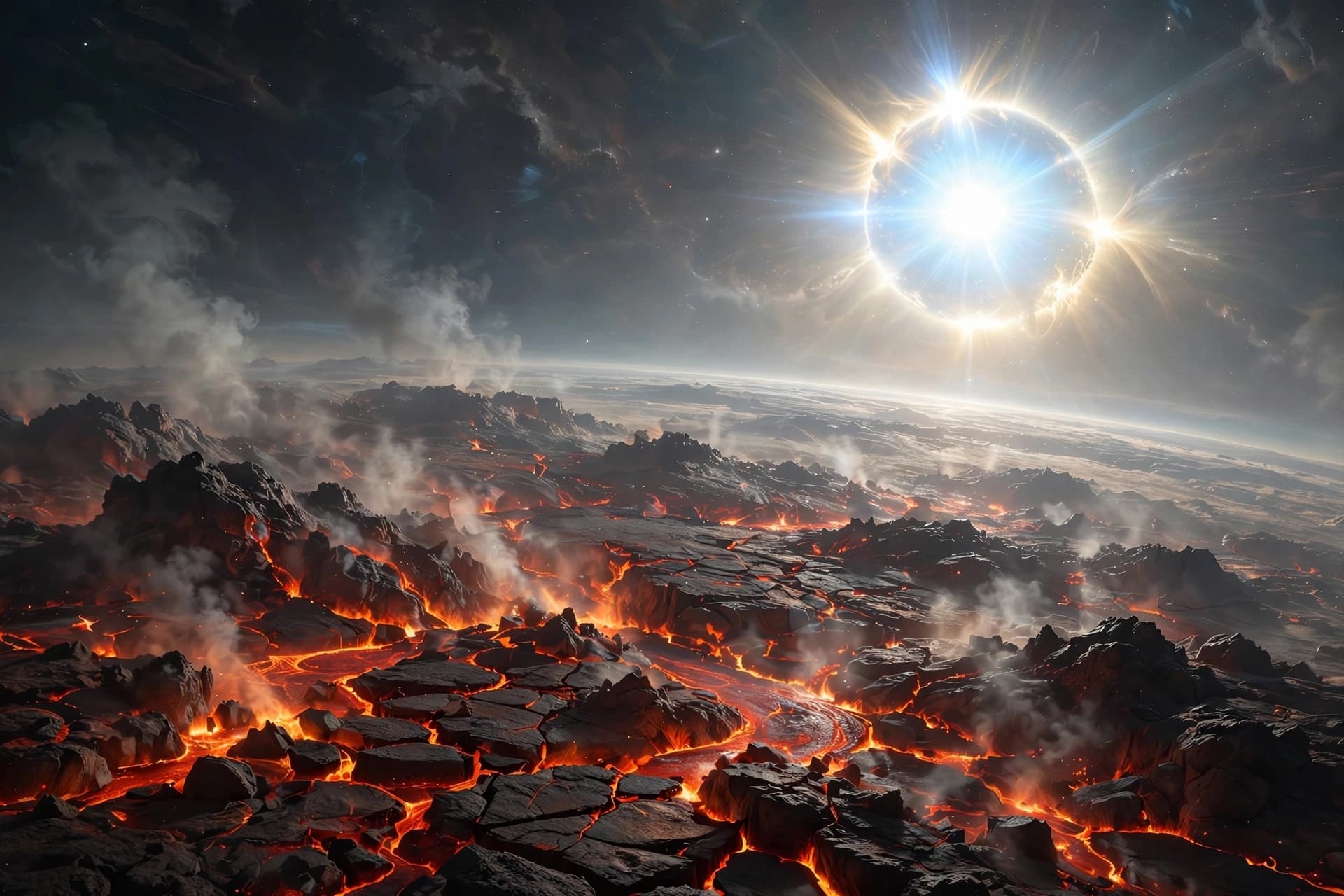
TOI-561 b is a super-Earth, about 1.6 times the radius of our planet and nearly five times its mass, orbiting a star some 280 light-years away. It completes one orbit in less than eleven hours, tidally locked so that one hemisphere faces the star in perpetual daylight while the other remains in eternal night . The dayside temperature is hot enough to melt silicate rock. By all reasonable expectations, the planet should be a naked, dark sphere of cooling magma.
But Webb's observations told a different story. Over thirty-seven hours, nearly four complete orbits, the telescope measured the planet's phase curve—how its brightness and heat shift as it circles its star. The dayside was cooler than it should have been for a bare rock. The nightside was not warm enough to account for the difference. The only explanation that fit was that the planet was reflecting a substantial portion of the starlight that struck it—roughly three-quarters, comparable to Venus—and redistributing heat around its globe . Both require an atmosphere.
What kind of atmosphere remains an open question. Computer simulations suggest clouds of silicate minerals—silicon dioxide and magnesium silicate—could form on the dayside, acting like a sunscreen that reflects incoming radiation before it can be absorbed . Alternatively, the atmosphere could be a dense shroud of carbon dioxide, a hotter version of Venus, or rich in sulfur dioxide, released from a molten interior the way Jupiter's volcanic moon Io feeds its own tenuous envelope. The molten rock ocean itself may be the source, a planet-wide volcano continuously replenishing the gases that the star tries to strip away.
The finding challenges a basic assumption about planetary evolution. A heavily irradiated rocky planet like TOI-561 b should have lost its atmosphere billions of years ago, said Anjali Piette, an astrophysicist at the University of Birmingham and a co-author of the study published in The Astronomical Journal . That it has not suggests either that the planet began with an unusually large supply of gas or that the magma ocean is actively sustaining the atmosphere, a dynamic balance between loss and replenishment. The answer matters not only for this strange world but for understanding how rocky planets, including early Earth, might have held onto their volatiles in the crucible of their youth.
There is a particular resonance in this for those who study our own planet. Billions of years ago, Earth too was a lava world, its surface a sea of molten rock, its atmosphere uncertain. The processes that allowed TOI-561 b to keep its envelope—outgassing from a magma ocean, reflective clouds, the slow dance of heat and radiation—may have operated on the early Earth as well, shaping the conditions that eventually allowed liquid water and perhaps life . TOI-561 b is not a place anyone would want to visit. But it may be a mirror held up to our own deep past.
The researchers plan to observe the planet at longer wavelengths, seeking clues to whether its atmosphere is more like Venus or a supercharged Io. Each observation adds a piece to a picture that is still forming. The universe, it seems, is not finished surprising us. A lava planet that should have been bare is wearing a blanket. And in that stubbornness, there is a lesson about the resilience of worlds.
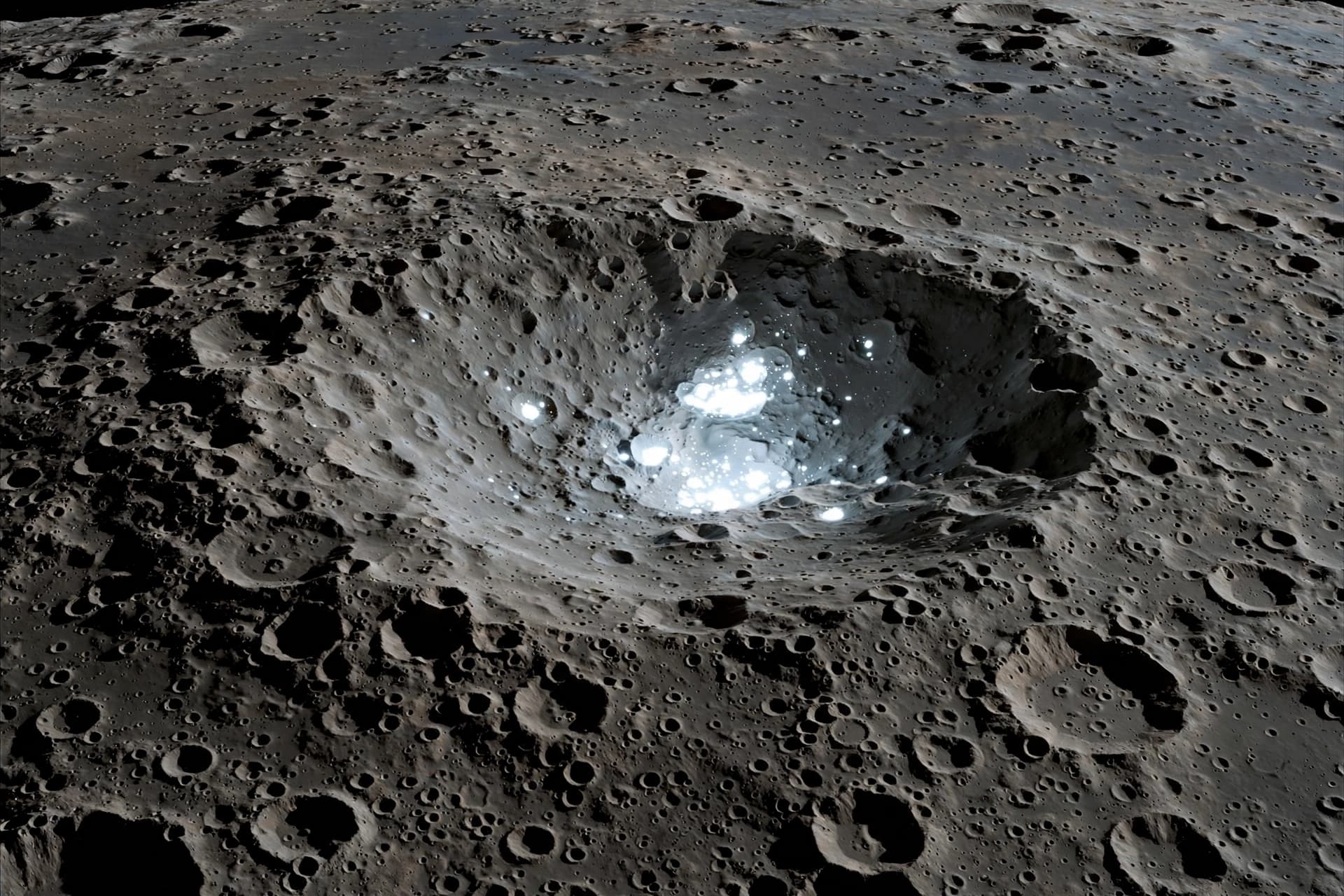
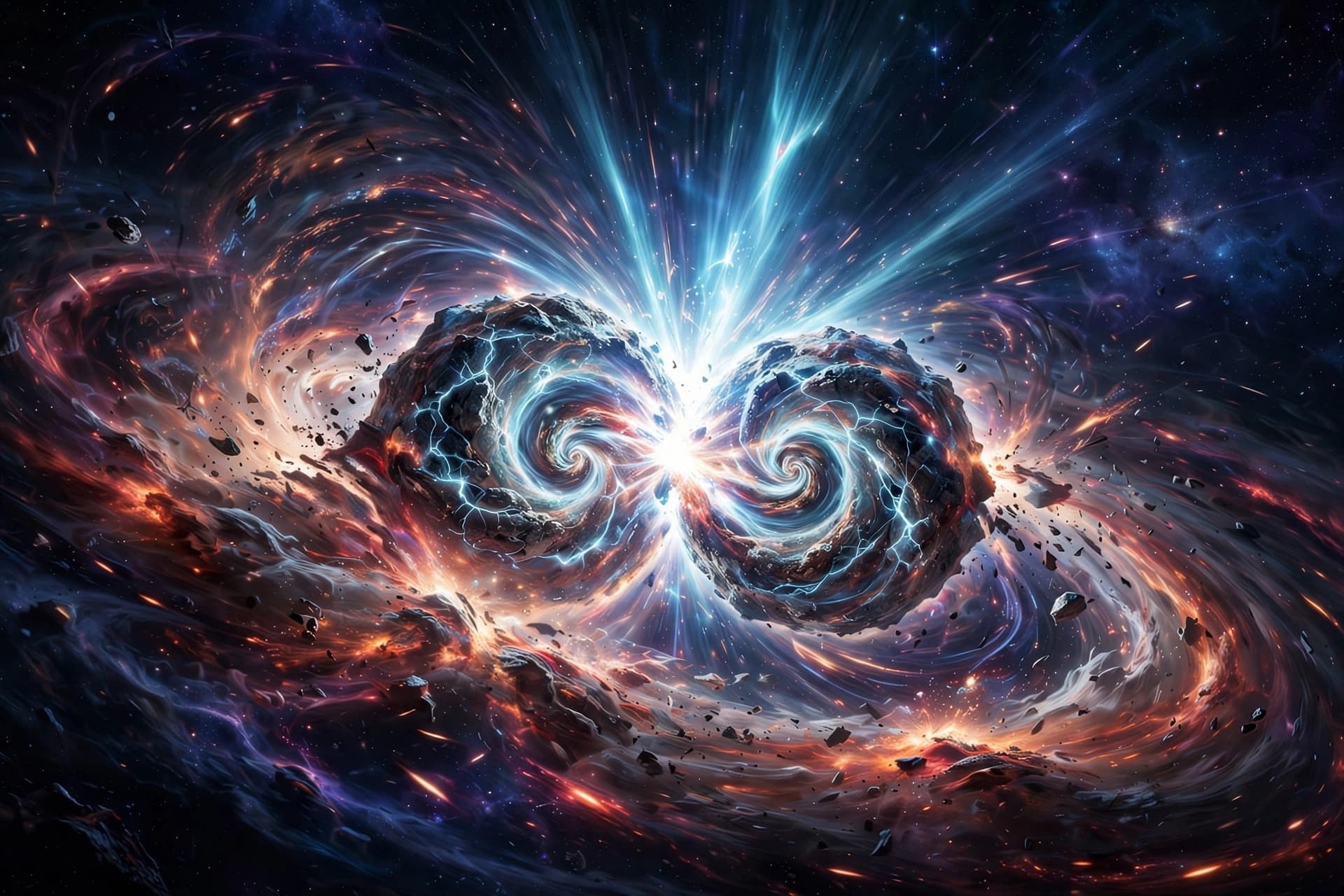
Image Disclaimer: The image with this article was created using AI tools and does not depict the actual exoplanet.
Sources: EurekAlert, The Astronomical Journal, University of Birmingham, Yahoo Tech, Guangming Online
Published by Banx Network. This article is part of the Banx decentralized media programme, powered by the BXE token on the XRP Ledger.