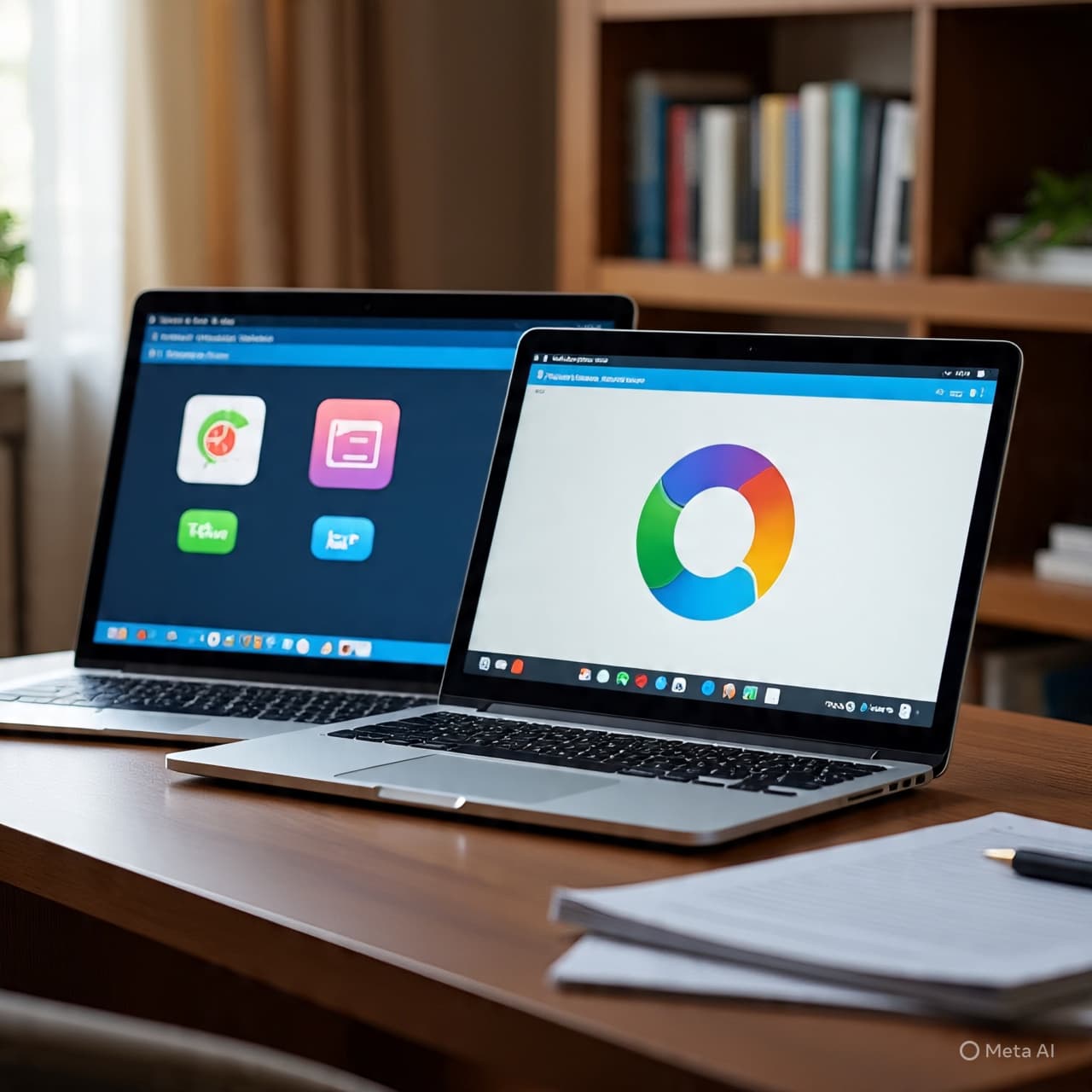
Article In the cadence of technology’s slow drumroll toward something new, leaks often serve as the first audible beat — an unexpected glimpse into what might lie ahead. This week brought just such a preview for Google’s long‑anticipated effort to bring Android to PCs, with an accidental leak in an internal bug report offering observers their first real look at the nascent desktop interface.
Google has been working to expand Android beyond phones and tablets for years, with hints that the platform would one day run more fully on laptops and similar devices. Known internally as Aluminium OS, this hybrid operating system represents a merging of Android and ChromeOS philosophies — borrowing the app ecosystem of Android with the windowed interface and task‑oriented design that desktop users expect.
The leak originated from a Chromium Issue Tracker bug report that inadvertently included screen recordings and screenshots of Aluminium OS in action on an HP Elite Dragonfly 13.5 Chromebook. Although Google quickly restricted access to the report, outlets such as 9to5Google and Android Authority captured and preserved the footage before it disappeared.
What the recordings show is an interface that feels familiar yet new. The taskbar along the bottom has Android‑like icons yet respects desktop conventions, while a status bar at the top displays battery, Wi‑Fi, keyboard language, and notification indicators reminiscent of Android’s phone UI. Split‑screen multitasking is also visible, with multiple windows open side by side — a key feature for productivity on larger screens.
Among the subtle but intriguing touches is access to the Google Play Store within the desktop environment, suggesting Android’s vast app catalog will remain integral to the PC experience. The Chrome browser, too, appears with an extensions button, a nod to functionality typically reserved for desktop browsers but now shown running within Aluminium OS.
This first peek doesn’t tell the whole story — many elements seen in the footage are clearly early and unfinished — but it does underscore the direction Google is exploring: a unified platform that might one day replace ChromeOS altogether and allow Android to run natively on a broader range of devices, from laptops to tablets.
For those who have watched Android evolve from phones to tablets, and ChromeOS from lightweight web machines to capable productivity platforms, this leak feels like a milestone. It signals that the long‑rumored Android‑for‑PC dream is inching closer to reality, even if Google itself remains tight‑lipped about formal release plans. Until the company chooses to unveil Aluminium OS officially, these unintended glimpses provide the most tangible sense yet of what such a future could look like.
AI Image Disclaimer (rotated wording) Illustrations were produced with AI and serve as conceptual depictions, not real photographs.
Sources Reuters & related reports detailing the Android desktop leak in internal bug report captured by 9to5Google and others.
Published by Banx Network. This article is part of the Banx decentralized media programme, powered by the BXE token on the XRP Ledger.