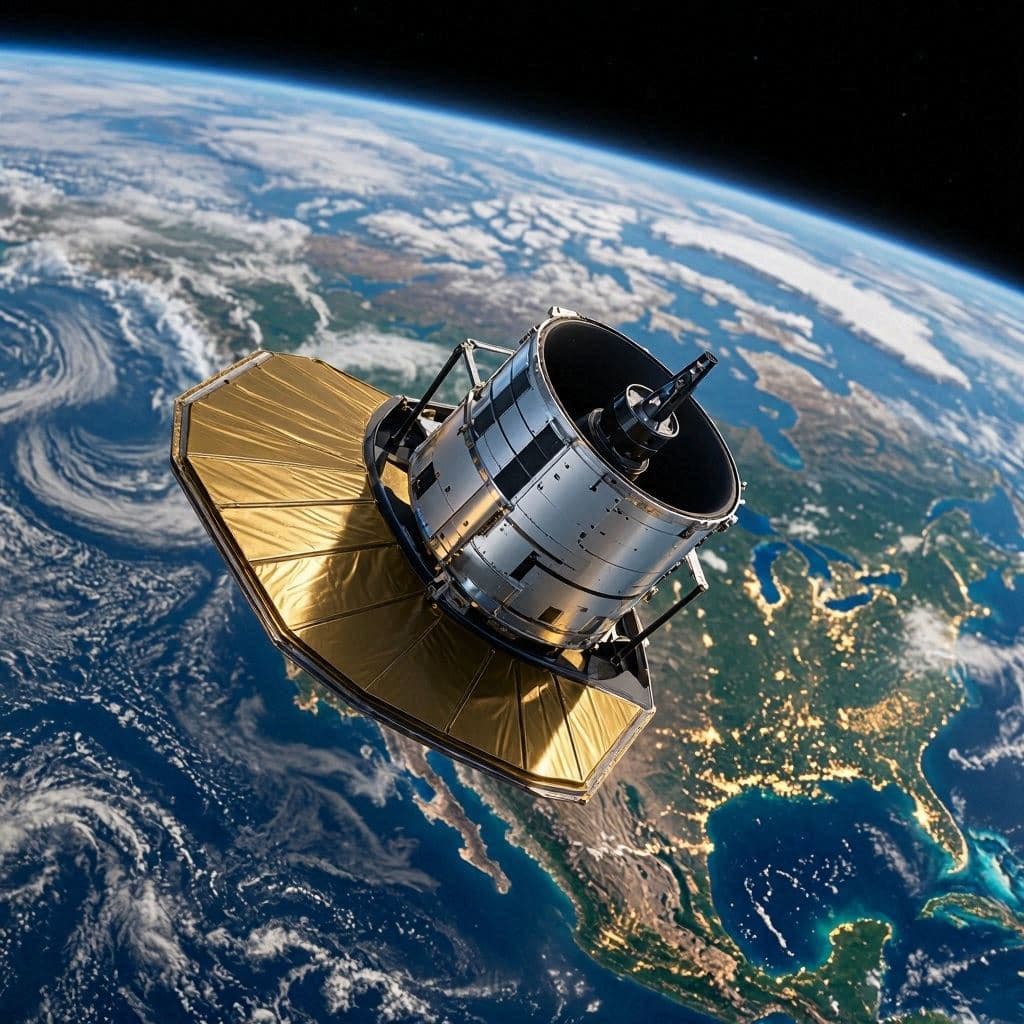
In the grand tradition of astronomical exploration, each new telescope offers a fresh pair of eyes on the cosmos. On August 30, 2026, NASA will launch the Nancy Grace Roman Space Telescope, a mission poised to revolutionize our understanding of the universe. Riding atop a SpaceX Falcon Heavy rocket, this observatory carries a primary mirror identical in size to that of the Hubble Space Telescope. Yet, its true power lies not just in resolution, but in scope: Roman’s field of view is approximately one hundred times wider than Hubble’s, allowing it to capture vast swathes of the sky in unprecedented detail. It is a tool designed not just to look deeper, but to see broader.
The primary scientific goals of the Roman Telescope are twofold: to investigate the nature of dark energy and to discover exoplanets. Dark energy, the mysterious force driving the accelerated expansion of the universe, remains one of the greatest puzzles in physics. By mapping the distribution of galaxies and measuring their distances with high precision, Roman will help scientists understand how dark energy has evolved over time. This data could unlock secrets about the ultimate fate of the cosmos.
In addition to cosmology, Roman is equipped with a powerful coronagraph, an instrument designed to block the light of stars so that faint orbiting planets can be seen. This technology will allow astronomers to directly image giant exoplanets and study their atmospheres. While it may not detect Earth-like planets immediately, it will pave the way for future missions capable of searching for signs of life. The telescope’s wide field of view also enables it to monitor millions of stars simultaneously, increasing the chances of finding rare planetary systems.
The choice of a Falcon Heavy launcher underscores the collaboration between government agencies and private industry in modern space exploration. The heavy-lift capability of the rocket ensures that Roman reaches its optimal orbit around the second Lagrange point (L2), a stable position far from Earth’s interference. This location provides a clear, unobstructed view of the universe, free from the thermal and light pollution that affects low-Earth orbit telescopes.
Named after Nancy Grace Roman, NASA’s first chief of astronomy, the telescope honors her pivotal role in planning the Hubble Space Telescope. Her vision laid the groundwork for decades of discovery, and this mission continues her legacy of bold scientific inquiry. It serves as a reminder of the importance of leadership and perseverance in achieving complex scientific goals.
The data from Roman will be publicly available, fostering global collaboration among astronomers. Researchers from around the world will analyze the images and spectra, leading to discoveries that no single team could achieve alone. This open-access model accelerates scientific progress and ensures that the benefits of space exploration are shared widely.
Technologically, Roman represents a leap forward in infrared astronomy. Its sensors are optimized to detect heat signatures from distant objects, allowing it to peer through dust clouds that obscure visible light. This capability is crucial for studying star formation and the early universe. The combination of wide-field imaging and high sensitivity makes Roman a versatile tool for diverse astronomical questions.
As the countdown to August 2026 begins, anticipation builds for the insights the Nancy Grace Roman Space Telescope will provide. With its wide eye on the sky, it promises to expand our cosmic horizon, shedding light on the dark forces that shape our universe and the distant worlds that orbit other stars.
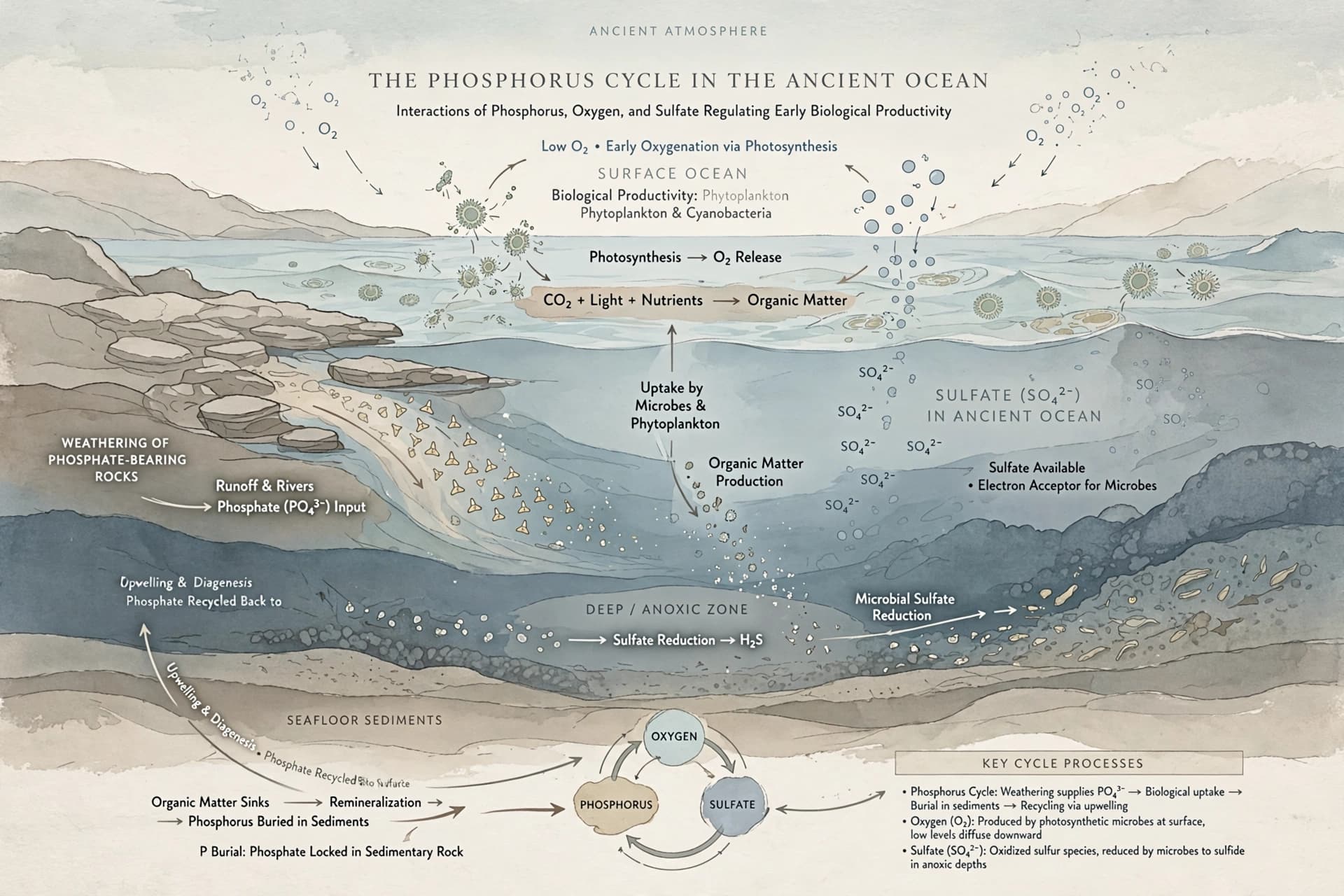
AI Image Disclaimer: Please note that the images in this piece are AI-generated illustrations created to depict the themes of space exploration and astronomical technology.
Sources: NASA, SpaceX, Space.com, Scientific American
Published by Banx Network. This article is part of the Banx decentralized media programme, powered by the BXE token on the XRP Ledger.