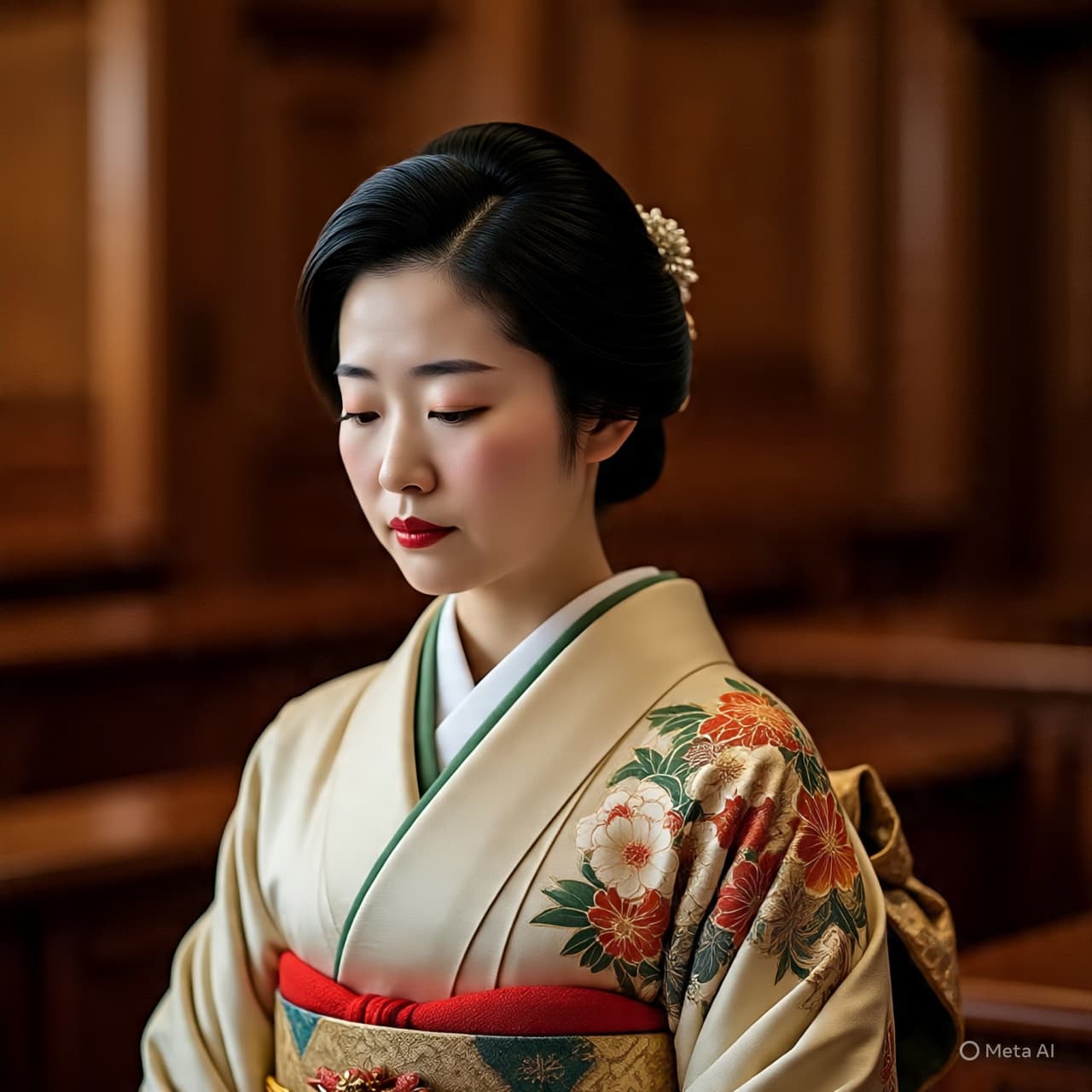
At times, the calm before the storm carries the weight of silence — a silence that hides shifting tides. In recent weeks, what began as confident words in a foreign parliament slowly rippled across regional seas and diplomatic shores. Now, with the waters of East Asia stirred, a gentle hand reaches out — seeking to soothe, to clarify, to steer away from the gathering clouds.
In Tokyo, Sanae Takaichi has stepped forward with a tone of conciliation. After weeks of tension triggered by her remarks about a potential military response to actions in the Taiwan Strait, she addressed lawmakers once again — this time invoking the 1972 Japan–China Joint Communiqué, and reaffirming that Japan’s “basic position regarding Taiwan remains as stated in the Communiqué, and there has been no change to this position.”
Her return to familiar diplomatic language — stressing continuity, not confrontation — appears like a deliberate effort to ease strain. The previous statement that a China-driven conflict over Taiwan might qualify as an “existential threat” to Japan, thereby justifying Tokyo’s possible intervention under collective self-defence rules, had alarmed Beijing and unleashed sharp reactions.
China responded swiftly — condemning her remarks as “egregious interference,” halting cultural exchanges, suspending seafood imports from Japan, and urging its citizens to avoid travel to Japan.
But in her latest statements, Takaichi has tried to navigate a middle course: she said the remarks were made in response to a parliamentary question, describing them as “hypothetical,” and underlined that Tokyo continues to respect the frameworks underpinning bilateral ties with Beijing.
By invoking the 1972 communique — once the pillar supporting decades of diplomacy — she seems to be offering a diplomatic olive branch. The gesture may not erase the fallout instantly, but it suggests her government is willing to temper rhetoric with reassurance. The question now is whether Beijing will accept that overture, or view it as a soft pivot after bluster.
For the moment, the tone has softened. The future of relations between Tokyo and Beijing remains uncertain — but for now, at least, one of the key voices is calling for a restrained calm.
AI Image Disclaimer: “Visuals are created with AI tools and are not real photographs — illustrations are purely conceptual.”
Sources: Reuters, The Guardian, SCMP, Channel News Asia, Asahi TV News
Published by Banx Network. This article is part of the Banx decentralized media programme, powered by the BXE token on the XRP Ledger.


.jpg&w=3840&q=75 "Zelensky Warns China Is Helping Russia Develop a Starlink Rival")