There is a particular kind of anger that grows not from poverty but from the perception of decline—from the feeling that one's province, once prosperous and ascendant, is now falling behind while others decide its fate. Alberta is, by many measures, the wealthiest province in Canada. It has the highest GDP per capita, the lowest debt burden, no provincial sales tax, and oil reserves that have made it an economic powerhouse. Yet a separatist movement has gained ground, culminating in a vote this month on whether to begin the process of holding a referendum on independence .
The roots of this discontent are economic, but not in the way an outsider might expect. When oil prices crashed in 2014, investment in oil and gas projects plunged, and Alberta entered a recession. The economy recovered, but the energy industry did not return to its former shape. Companies became more efficient, and major projects that once drove investment and job creation became harder to justify. Charles St-Arnaud, chief economist at Servus Credit Union, noted that the purchasing power of Albertans is now ten percent lower than it was in 2014. "For the average Albertan, they're looking at their own situation and thinking, well, I'm not getting ahead" .
Unemployment in Alberta has tracked above the national average since 2016, and average weekly earnings have struggled to keep pace with inflation. The sense of a "lost decade" has taken hold, compounded by cancelled pipeline projects like Northern Gateway and Energy East, which supporters believed would have brought jobs and wealth to the province .
The sense of grievance extends beyond economics. Albertans report the lowest life satisfaction in the country—38.1 percent say they are highly satisfied with their lives, compared to 57.3 percent in Quebec and 46.1 percent nationally . This is a puzzle: why are the people with such remarkable economic advantages the least satisfied? The answer, according to some observers, lies in a feeling of political alienation—a sense that decisions affecting Alberta are made elsewhere, by people who do not understand or care about the province's interests .
The separatist movement has drawn support from those who feel left behind by a changing economy and a federal system they believe takes more than it gives. But the practicalities of separation are daunting. Alberta is landlocked, dependent on pipelines that cross other provinces or the United States to reach markets. It would need to negotiate currency, pensions, trade, and borders. The Clarity Act sets out a process that requires a clear question and a clear majority, followed by negotiations with the federal government and all provinces . Indigenous treaties complicate matters further; First Nations have argued that separation would contravene their treaty rights and that their lands would be bisected by an international border .
The vote on October 19 is not a vote on independence itself, but on whether to begin the legal process toward a binding referendum. It is a chance for Albertans to express frustration, to send a message to Ottawa, and to demand a different relationship with the federation. Whether that message will be heard—and whether it will lead anywhere—remains to be seen. For now, the anger is real, and the charts that document it tell a story of a province that feels it has lost something it once had.
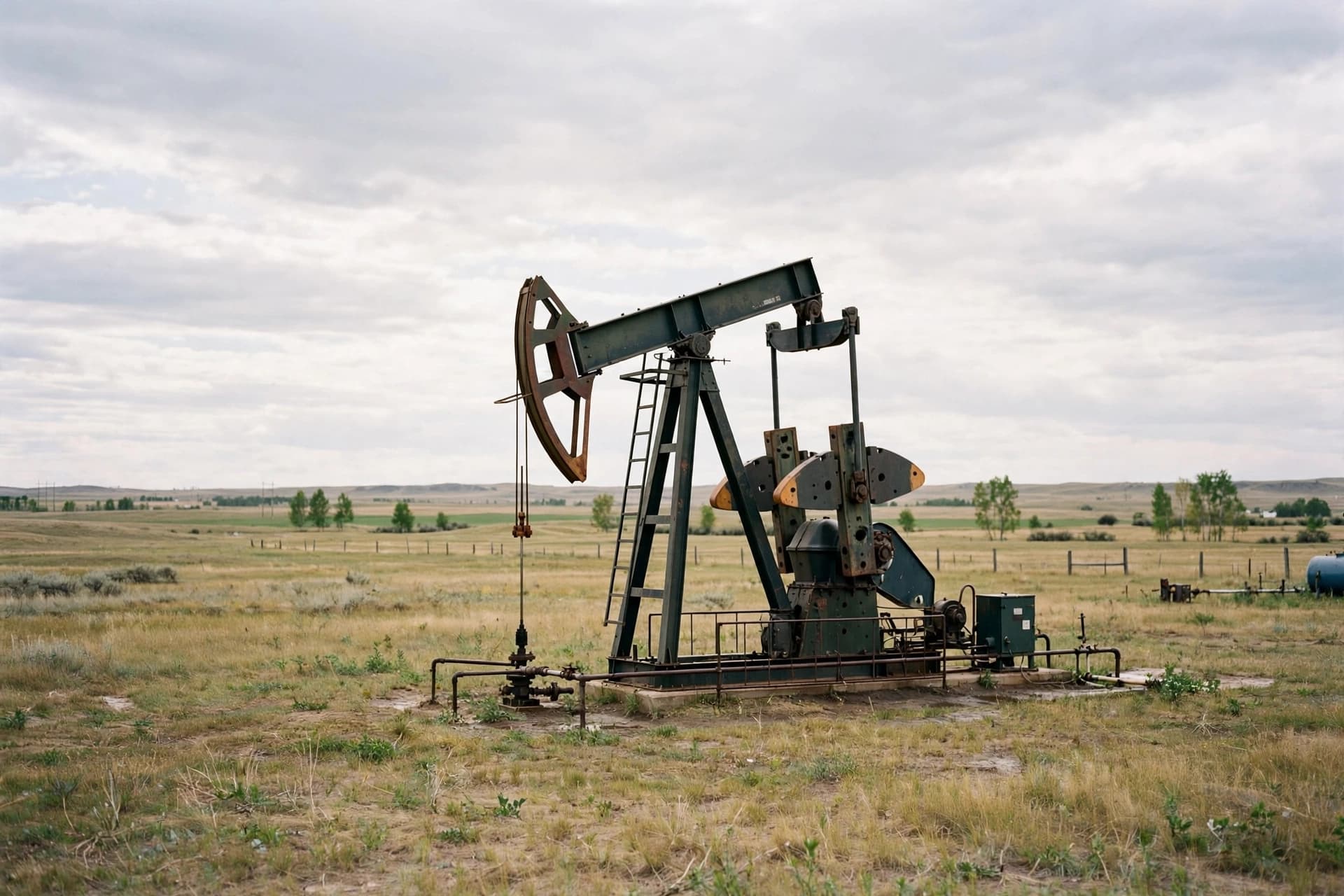
AI Image Disclaimer: The imagery in this article is AI-generated and serves an illustrative purpose only.
Sources:
· CBC News · Australian Broadcasting Corporation · The Walrus · Edmonton Journal
Published by Banx Network. This article is part of the Banx decentralized media programme, powered by the BXE token on the XRP Ledger.