
The oceans rarely announce their changes with dramatic headlines. Instead, they communicate through subtle shifts in temperature, currents, chemistry, and weather patterns. For decades, scientific monitoring systems have helped researchers interpret these signals, turning observations into knowledge that benefits communities around the world.
Recent concerns emerged after discussions surrounding the future of certain ocean-monitoring programs in the United States. Scientists have warned that reductions or interruptions in these systems could affect the quality of environmental data available to researchers and policymakers.
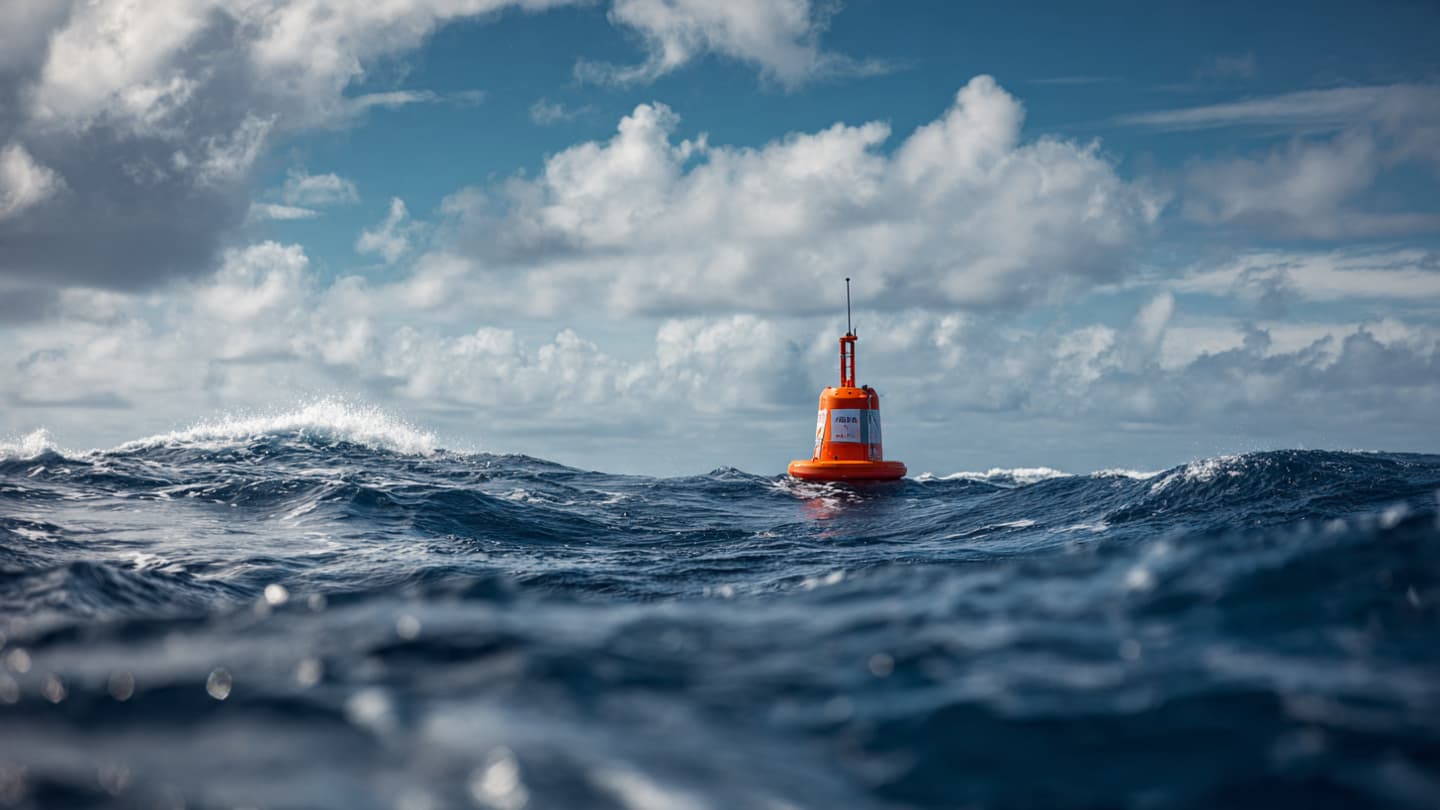
Ocean-monitoring networks gather information through satellites, buoys, research vessels, and automated instruments. Together, these tools create a detailed picture of changing marine conditions across vast areas of the planet.
The collected data supports numerous applications beyond oceanography itself. Weather forecasting, hurricane prediction, climate research, fisheries management, and maritime safety all depend on accurate and continuous observations.
Researchers emphasize that long-term records are particularly valuable. Scientific understanding often relies on comparing present conditions with measurements collected over many years or even decades. Interruptions can create gaps that complicate future analysis.
Climate scientists also note that oceans play a central role in regulating Earth’s environment. They absorb large amounts of heat and carbon dioxide, influencing weather systems and long-term climate trends worldwide.
Supporters of monitoring programs argue that investments in scientific observation frequently generate practical benefits. Improved forecasts can help communities prepare for storms, support economic planning, and strengthen disaster-response efforts.
At the same time, policymakers must balance scientific priorities with budgetary considerations and competing government responsibilities. These discussions often involve questions about funding, infrastructure, and long-term strategic planning.
As debates continue, researchers stress the importance of maintaining reliable environmental observations. Whether studying climate patterns, forecasting weather, or understanding marine ecosystems, scientists agree that informed decisions depend on accurate data collected over time.
AI Image Disclaimer: Illustrative images in this article are AI-generated and designed to depict scientific monitoring activities in a general manner.
Source Verification Check: The Guardian, NOAA, Science Magazine, Nature
Published by Banx Network. This article is part of the Banx decentralized media programme, powered by the BXE token on the XRP Ledger.



