
Key Highlights
- U.S. naval destroyers are shadowing Iranian oil tankers in strategic waters.
- The operations reflect a strategy of monitoring amid heightened geopolitical tensions.
- Maintaining oil exports is critical for Iran's economy and political stance.
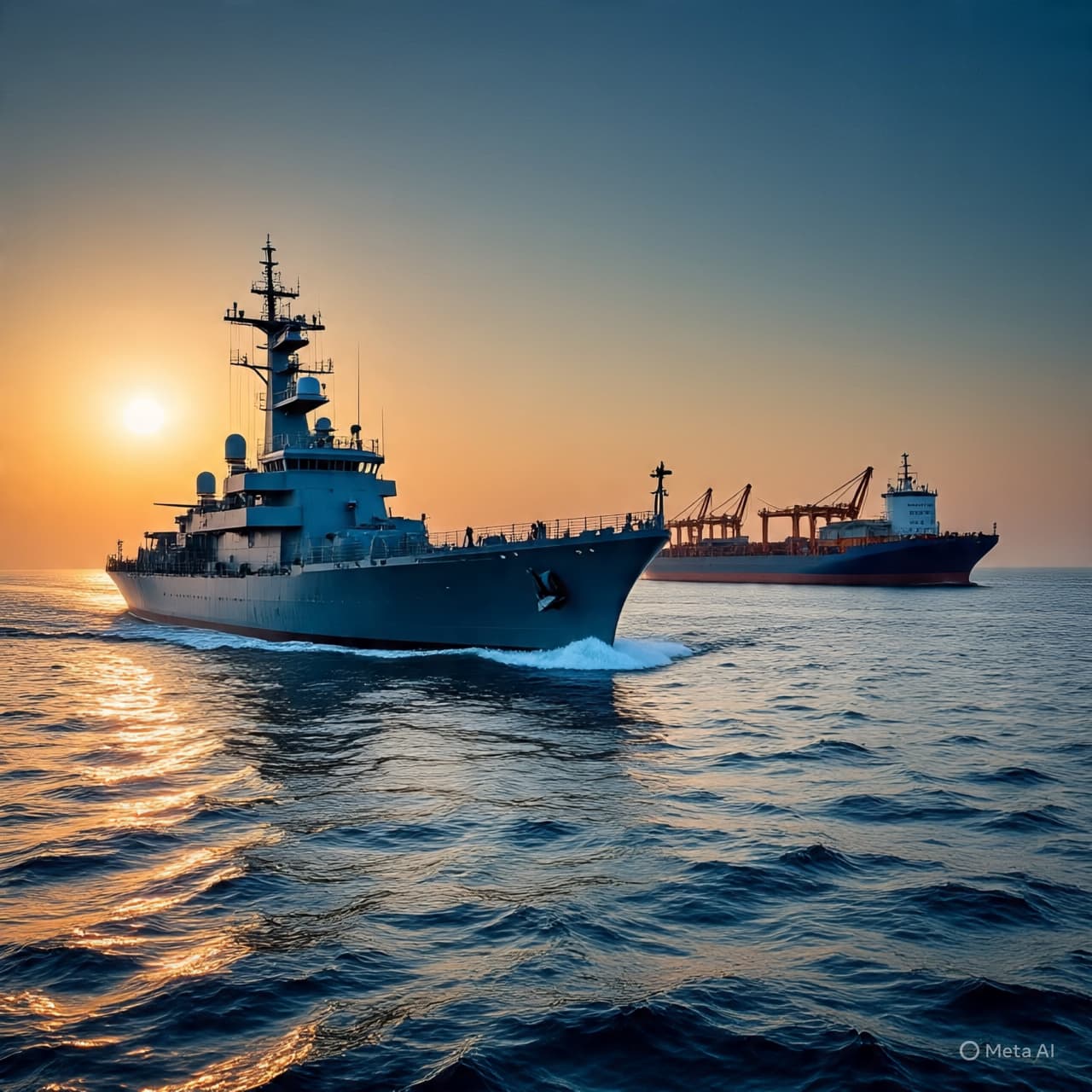
The maritime landscape is often a silent witness to the complexities of international relations, where movement speaks volumes. In recent weeks, U.S. naval destroyers have been closely monitoring Iranian oil tankers navigating through contested waters. This ongoing operation underscores a delicate balance of power and communication, where proximity serves as both a deterrent and a reassurance amid rising tensions.
The backdrop of these naval operations is steeped in geopolitical strain, particularly concerning sanctions and regional blockades. Iranian tankers, laden with vital oil cargoes, are under the watchful eyes of U.S. forces, reflecting a strategy that prioritizes surveillance over direct confrontation. Officials from the U.S. Navy describe these actions as precautionary, aimed at ensuring the security of crucial maritime routes without escalating into open conflict.
For Iran, the movement of its oil tankers is not merely an economic necessity but also a political statement. Oil exports are a lifeline for the Iranian economy, and maintaining these flows under international pressure is a testament to the country's resilience. The Iranian government views the continued operation of its tankers as a means to assert its presence and influence in the region, despite the challenges posed by sanctions.
The broader context of this situation involves ongoing disputes over maritime security and regional influence. In narrow waterways where every movement can have significant implications, the interactions between U.S. naval vessels and Iranian tankers become part of a larger narrative of strategic positioning. Analysts suggest that both sides are carefully calibrating their actions to avoid direct confrontation while maintaining visibility, reflecting an understanding of the volatility that characterizes the region.
International observers have highlighted the critical importance of keeping sea lanes open for global energy markets. The stability of these markets hinges on uninterrupted shipping routes, making maritime security a shared concern that extends beyond the immediate parties involved. The presence of U.S. naval forces is seen as a necessary measure to uphold this stability, yet it also underscores the fragility of the situation.
As the shadowing of Iranian tankers continues, the potential for miscalculation looms large. A single unexpected event could drastically alter the dynamics at play, emphasizing the need for restraint and effective communication. For now, the world watches closely, attuned to the subtle movements at sea that could signal a shift in the delicate balance of power in this critical region.
Published by Banx Network. This article is part of the Banx decentralized media programme, powered by the BXE token on the XRP Ledger.



