In the majestic silence of the Himalayas, where snow-capped peaks touch the sky, a recent catastrophe has shattered the tranquility. The devastating flash floods in Nepal, triggered by a glacial collapse, have left communities obliterated and lives lost. This event is not merely a local tragedy but a potent signal of the changes sweeping through the world’s highest mountain range. As climate change accelerates, the question arises: is this disaster a preview of a future where such events become commonplace?
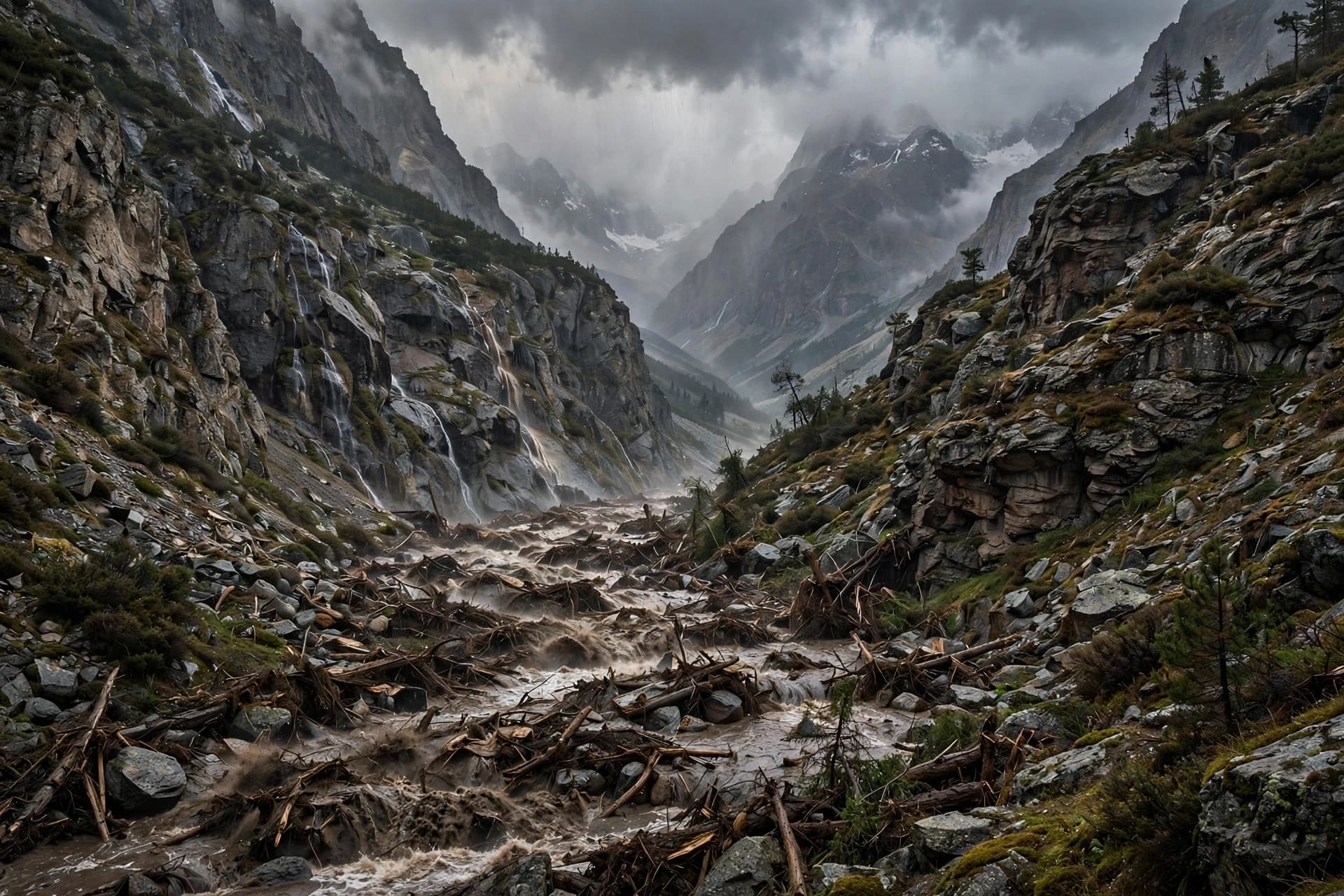
The floods, which struck in late August 2026, were caused by a massive rock-ice avalanche that detached from a glacier in the Rasuwa District. This debris surged down the Bhote Koshi River, carrying with it tons of rock, ice, and water. The sheer force of the flow destroyed bridges, homes, and hydropower projects, leaving a trail of destruction that has shocked the nation. Experts point to rising temperatures as a key factor in destabilizing the glacier, making such collapses more likely.
The Himalayas are warming at a rate faster than the global average, a phenomenon known as elevation-dependent warming. This rapid heating causes glaciers to melt and retreat, creating unstable lakes and weakening the structural integrity of mountain slopes. When these glaciers fail, the resulting floods can be catastrophic, as seen in Nepal. The event serves as a stark example of how climate change amplifies natural hazards, turning slow-moving trends into sudden disasters.
For the people living in these valleys, the threat is immediate and personal. Many communities rely on the rivers for water, agriculture, and energy. The destruction of infrastructure not only disrupts daily life but also hampers recovery efforts. The loss of hydropower capacity, in particular, has broader implications for Nepal’s energy security and economic stability, highlighting the interconnectedness of environmental and societal well-being.
Scientists warn that this is not an isolated incident. As temperatures continue to rise, the frequency and intensity of such geohazard cascades are expected to increase. The Himalayas, often called the "Third Pole" due to their vast ice reserves, are becoming a hotspot for climate-induced disasters. The Nepal flood is a harbinger, suggesting that other regions in the mountain range may face similar risks in the near future.
The response to the disaster has been swift, with national and international aid pouring in to support affected families. However, relief efforts alone are not enough. Long-term adaptation strategies are needed to protect communities from future threats. This includes better land-use planning, early warning systems, and investment in resilient infrastructure that can withstand extreme events.
The political will to address climate change is crucial in this context. Without decisive action to reduce greenhouse gas emissions and support adaptation in vulnerable regions, the human cost of these disasters will continue to grow. The Nepal flood is a reminder that climate change is not a distant threat but a present reality with deadly consequences.
The devastation in Nepal is a poignant reminder of the fragility of life in the face of a changing climate. As the Himalayas continue to warm, the need for global cooperation and local resilience becomes ever more urgent. The flood is a warning, one that demands attention and action to prevent future tragedies in this majestic but vulnerable region.
AI Image Disclaimer: The images in this article are AI-generated artistic interpretations intended to convey the scale and impact of the flood, not actual photographs of the event or the victims.
Sources: NPR, AP News, UN News, World Weather Attribution
Published by Banx Network. This article is part of the Banx decentralized media programme, powered by the BXE token on the XRP Ledger.