

Key Highlights
- Recent Russian strikes in Kyiv have resulted in casualties and destruction.
- Ukrainian officials warn of critical air defense shortages impacting civilian safety.
- The international community faces pressure to expedite military aid to Ukraine.
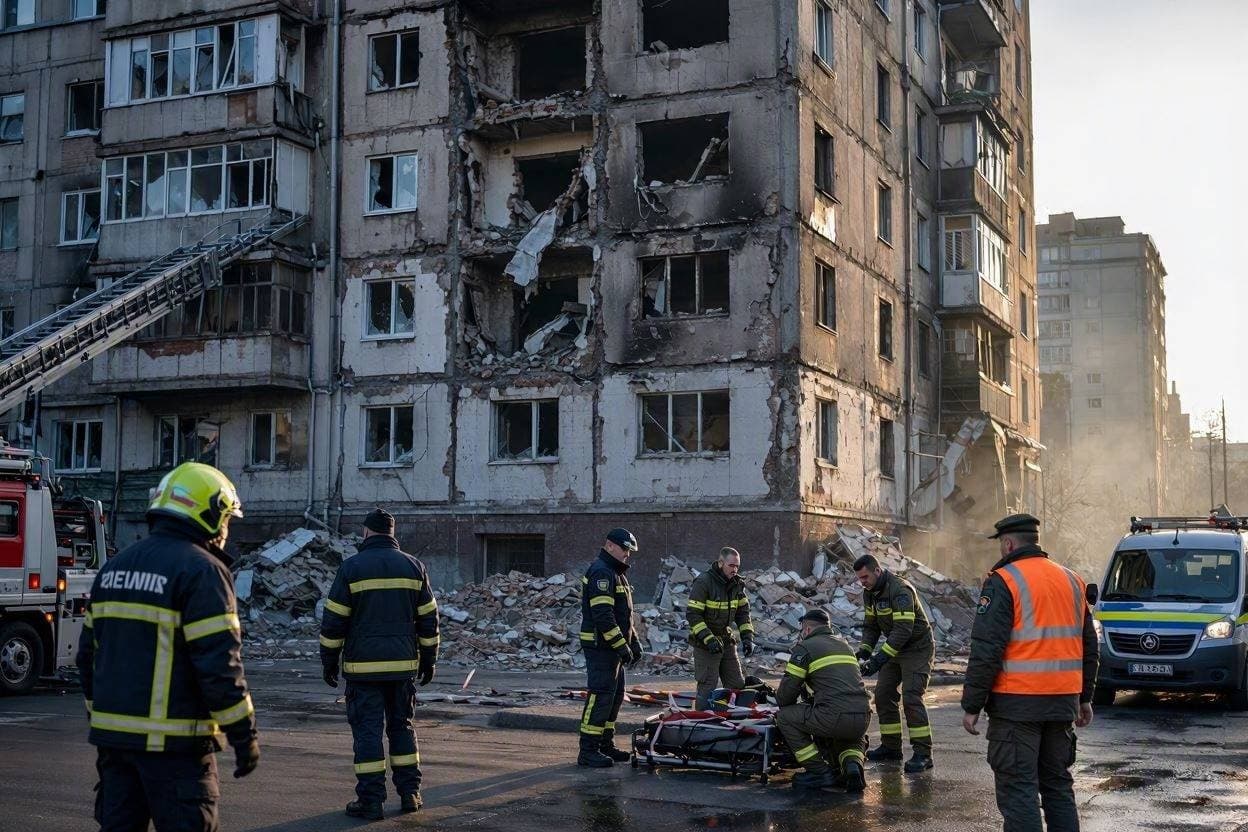
In the skies above Kyiv, the sound of explosions has become a grim reminder of the ongoing war. Recently, a deadly strike hit the capital, causing casualties and destruction. In the aftermath, Ukrainian officials issued a stark warning: the shortage of air defense interceptors is no longer just a logistical issue; it is costing lives. This plea highlights the growing disparity between the intensity of Russian attacks and the dwindling resources available to protect civilians. It is a cry for help that echoes across the globe, urging allies to act with urgency.
The strike, which occurred in early August 2026, targeted residential areas, resulting in multiple deaths and injuries. Emergency services worked tirelessly to rescue survivors from the rubble, but the scale of the damage was significant. President Volodymyr Zelenskyy and other leaders pointed to the lack of sufficient Patriot and other advanced missile systems as a key factor in the inability to prevent the attack. Without enough interceptors, even the most sophisticated defense networks have gaps that enemies can exploit.
Ukraine’s air defense forces have been operating at maximum capacity for years, shooting down thousands of drones and missiles. However, the supply chain has struggled to keep pace with demand. Western allies have provided crucial support, but production delays and political hurdles have slowed deliveries. The result is a dangerous vulnerability, where cities like Kyiv are left exposed during waves of attacks. The human cost of this gap is measured in lost lives and shattered homes.
The warning from Kyiv is not just about hardware; it is about moral responsibility. Ukrainian officials argue that every delayed shipment represents a failure to protect innocent people. They urge partners to prioritize speed and volume in their aid packages. The argument is simple: if the means to save lives exist, they must be used. Hesitation, they say, is complicity.
International response has been mixed. Some countries have pledged additional systems, while others cite budget constraints or domestic priorities. The debate over military aid continues in capitals around the world, often overshadowed by other political issues. For Ukrainians, however, the debate is abstract; the reality is concrete and deadly. They live with the consequences of global indecision every day.
Technological solutions are being explored, including increased domestic production of drones and interceptors. But these efforts take time, and time is a luxury Ukraine does not have. In the meantime, civilians rely on sirens and shelters for protection. The resilience of the people is remarkable, but it should not be tested indefinitely.
The deadly strike in Kyiv is a tragic reminder of the war’s toll. Ukraine’s warning about interceptor shortages is a call to action for the international community. As the conflict continues, the need for sustained and accelerated support is critical. Lives depend on it.
Published by Banx Network. This article is part of the Banx decentralized media programme, powered by the BXE token on the XRP Ledger.




