There are wars that destroy cities. Then there are wars that destroy the possibility of talking about peace.
Sudan has now slipped into the latter category — the kind of conflict where ceasefire proposals arrive like postcards from an era that people no longer believe exists. António Guterres stood behind a podium and used the syntax of diplomacy — he urged the violence to stop. But UN language in 2025 feels like an antique mirror. Everyone sees themselves reflected in it, but nobody adjusts their behavior.
The core fracture — between the army of Abdel Fattah al-Burhan and the Rapid Support Forces of Mohamed Hamdan Dagalo — has matured into something more brutal than a simple power struggle. It is now territorial, commercial, mineral, tribal. It is a marketplace of violence with its own invisible economy. And in such markets, “ceasefire” sounds like a foreign product.
Washington tried to propose terms. Washington also knows it no longer has decisive leverage. Regional states are hedging, some arming each side indirectly, others letting the war bleed until one faction becomes cheap and tired enough to sign something. Africa, the Middle East, the Gulf — all the strategic geographies touching Sudan — are in a moment of realignment. Sudan is collateral to that.
There is a darker subtext: the world is now structurally distracted. Israel-Hamas cycles. Russia-Ukraine attrition. Taiwan signals. Ethiopia-Somalia maritime chess. The system is saturated with overlapping crises. Sudan is not ignored because it is distant; it is ignored because attention has become a scarce geopolitical commodity.
And when attention is scarce, wars become infinite.
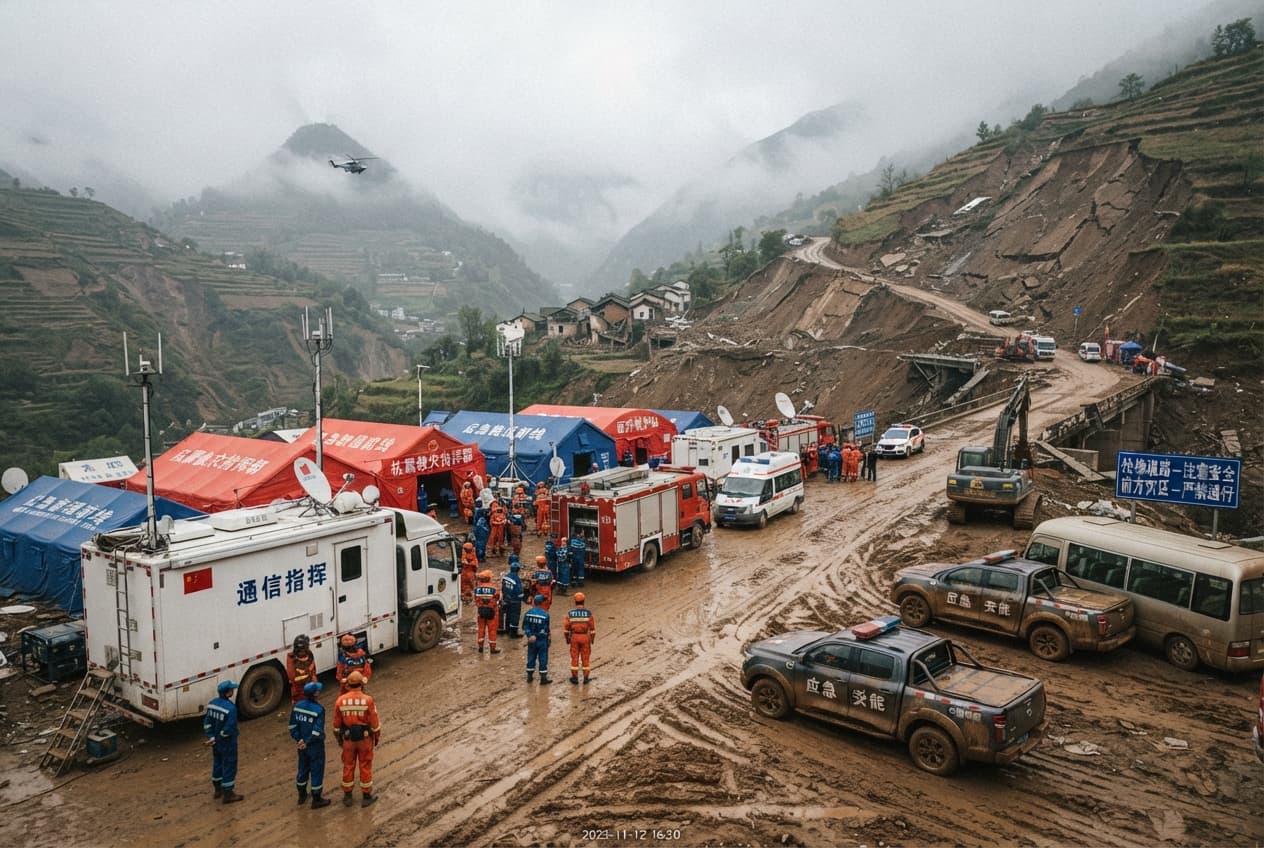
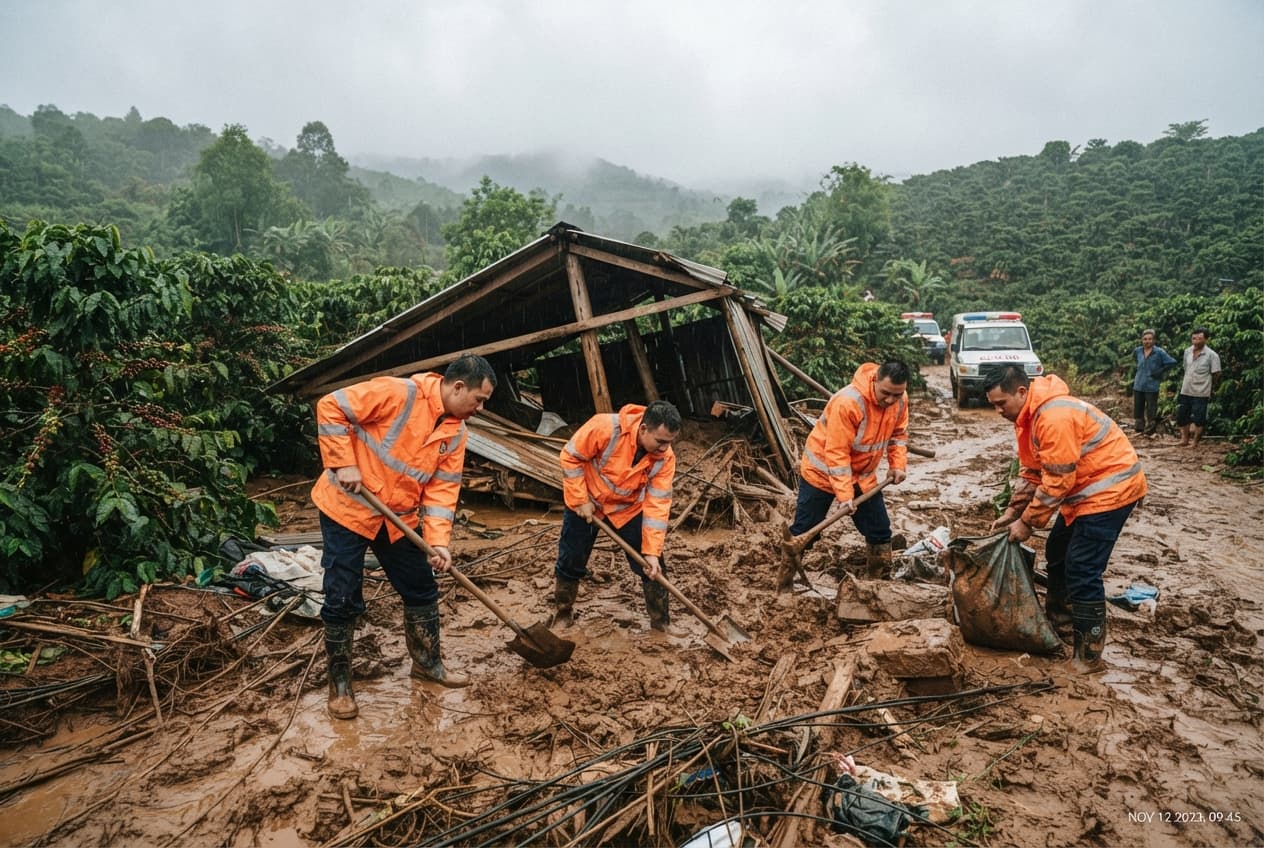
AI image disclaimer Note: Any images derived from these prompts must be treated as artistic approximations, not literal documentation.
Published by Banx Network. This article is part of the Banx decentralized media programme, powered by the BXE token on the XRP Ledger.