In the wake of renewed hostilities involving Iran, the military strategies employed by Donald Trump have drawn heavy scrutiny. Analysts claim that the bombings conducted under his administration have led to a cycle of violence that exacerbates conflict rather than resolving underlying issues. As the US-Israel war on Iran continues, the repercussions of these decisions are becoming increasingly apparent.
Trump’s approach, characterized by a reliance on military might, has aimed at crippling Iranian capabilities. However, this strategy has inadvertently united various factions within Iran, fostering a sense of nationalism that undermines US interests. With more resources directed toward military action, the potential for diplomatic resolutions has diminished.
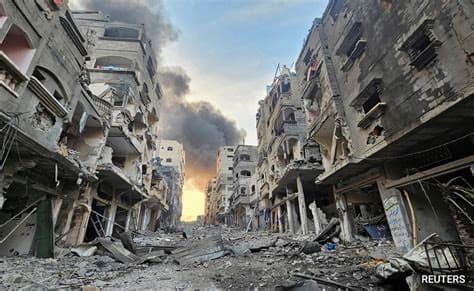
Moreover, the bombings have raised questions about the efficacy of US intelligence and military strategy in the region. Incidents of civilian casualties and infrastructural damage have not only drawn condemnation from human rights groups but have also strained alliances with other nations that advocate for diplomatic engagement over military intervention.
The consequences of Trump's aggressive tactics are reflected in public sentiment within Iran, where resentment toward the US has surged. This anti-American sentiment complicates any future negotiations, as trust is eroded. Observers argue that this war of regression exemplifies a failure to learn from past conflicts, where military interventions often led to long-term instability.
As the conflict continues to unfold, the intricate dynamics between the US, Israel, and Iran will shape the geopolitical landscape for years to come. The enduring challenge remains: how to transition from a cycle of violence to pathways of lasting peace, especially in a region fraught with historical grievances and complex affiliations.
Published by Banx Network. This article is part of the Banx decentralized media programme, powered by the BXE token on the XRP Ledger.