
Key Highlights
- Military Strategy:Trump's bombings in Iran have escalated tensions.
- Nationalism:US actions have inadvertently united Iranian factions.
- Diplomatic Challenges:Civilian casualties complicate future negotiations.
In the wake of renewed hostilities involving Iran, the military strategies employed by Donald Trump have drawn heavy scrutiny. Analysts claim that the bombings conducted under his administration have led to a cycle of violence that exacerbates conflict rather than resolving underlying issues. As the US-Israel war on Iran continues, the repercussions of these decisions are becoming increasingly apparent.
Trump’s approach, characterized by a reliance on military might, aimed at crippling Iranian capabilities. However, this strategy has inadvertently united various factions within Iran, fostering a sense of nationalism that undermines US interests. The increased military actions have not only failed to weaken Iran but have also strengthened its resolve against perceived external threats, complicating the geopolitical landscape.
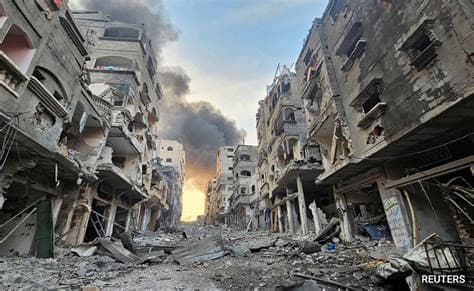
Moreover, the bombings have raised questions about the efficacy of US intelligence and military strategy in the region. Incidents of civilian casualties and infrastructural damage have drawn condemnation from human rights groups and have strained alliances with nations advocating for diplomatic engagement over military intervention. The long-term consequences of these actions could lead to a more entrenched conflict, as trust between the US and Iran continues to erode.
The consequences of Trump's aggressive tactics are reflected in public sentiment within Iran, where resentment toward the US has surged. This anti-American sentiment complicates any future negotiations, as trust is eroded. Observers argue that this war of regression exemplifies a failure to learn from past conflicts, where military interventions often led to long-term instability. The cycle of violence perpetuated by such strategies raises critical questions about the future of US foreign policy in the region.
As the conflict continues to unfold, the intricate dynamics between the US, Israel, and Iran will shape the geopolitical landscape for years to come. The enduring challenge remains: how to transition from a cycle of violence to pathways of lasting peace, especially in a region fraught with historical grievances and complex affiliations. The need for a reevaluation of military strategies in favor of diplomatic solutions has never been more urgent, as the stakes continue to rise in this volatile region.
Published by Banx Network. This article is part of the Banx decentralized media programme, powered by the BXE token on the XRP Ledger.



