
Key Highlights
- Duration:Sudan's civil war has now entered its fourth year.
- Displacement:Millions have been forced from their homes due to ongoing conflict.
- Humanitarian Impact:Acute hunger and healthcare shortages are escalating.
Sudan's civil war, which began as a power struggle between the military and the Rapid Support Forces, has now evolved into one of the world's most severe humanitarian crises. As the conflict enters its fourth year, the situation has not softened; rather, it has deepened, with the passage of time compounding the suffering of millions.
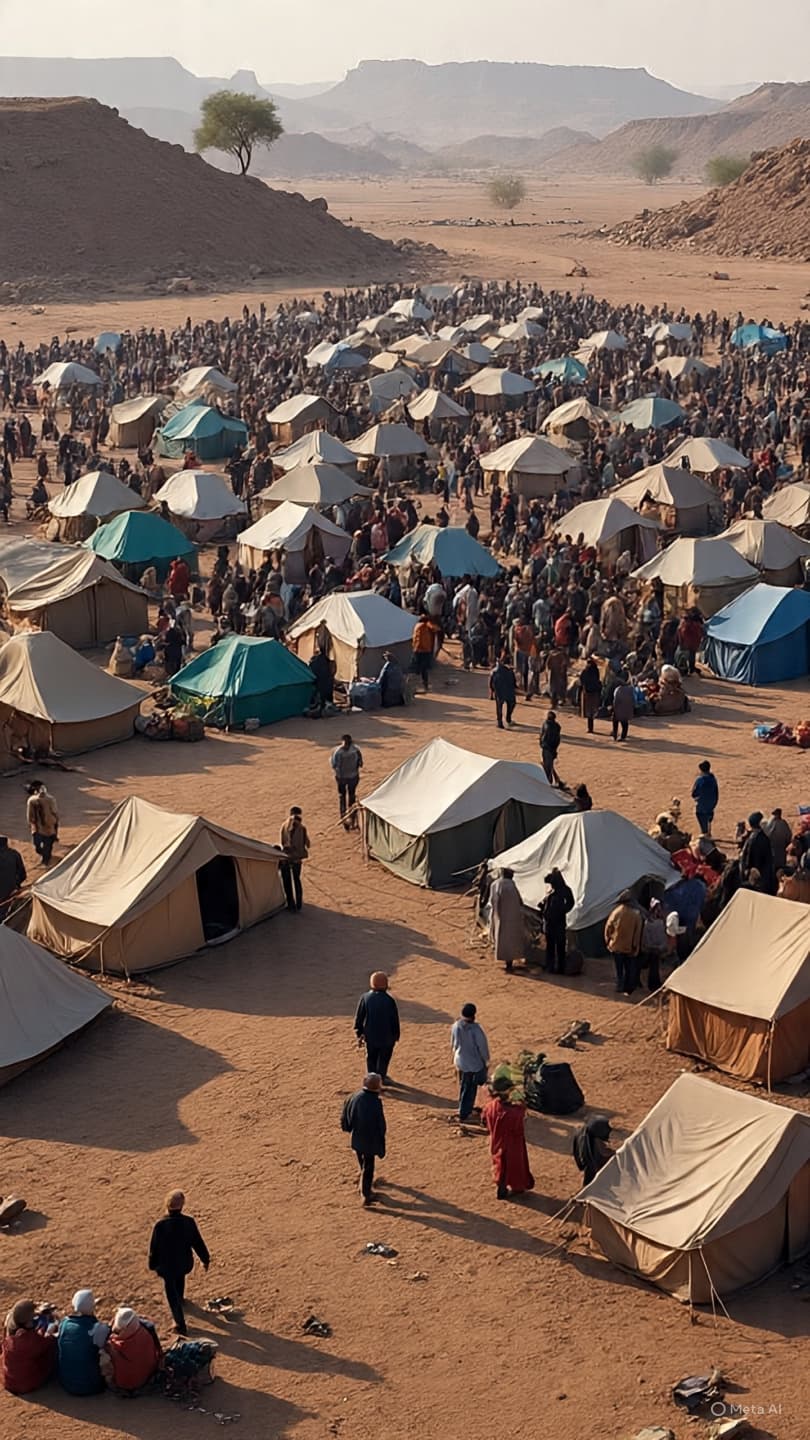
The conflict has led to widespread displacement, with millions forced to flee their homes. Many have sought refuge in neighboring countries, while others have relocated within Sudan, often to overcrowded camps that struggle to provide basic necessities. The humanitarian landscape has shifted dramatically, with entire communities uprooted and the fabric of daily life irrevocably altered.
Food security has become a critical issue, with large segments of the population facing acute hunger. The disruption of agricultural activities, coupled with limited access to humanitarian aid, has created a dire situation where famine-like conditions are emerging in some regions. Each passing month exacerbates the crisis, as the window for recovery narrows and the risk of starvation looms larger.
Healthcare services have also deteriorated significantly. Hospitals and clinics, where they still operate, are grappling with severe shortages of medical supplies, staff, and security. Illnesses that were once manageable have become life-threatening due to the weakened healthcare infrastructure. The lack of resources and support has made it increasingly difficult for healthcare providers to meet the needs of the population.
Despite the dire circumstances, international attention has been inconsistent. As new crises emerge globally, Sudan's prolonged conflict often fades from the headlines, leaving the situation to worsen in relative obscurity. However, the crisis continues to evolve, with each year adding layers of complexity and compounding the urgent needs of the affected populations.
Diplomatic efforts to address the conflict have been ongoing, though progress has been limited. Various ceasefires have been proposed and subsequently broken, highlighting the entrenched divisions within Sudan. External actors have attempted to mediate, but the path to resolution remains fraught with challenges.
Recent international meetings, including discussions held in Berlin, aim to rekindle focus on Sudan and mobilize support for those affected by the crisis. While these gatherings do not promise immediate solutions, they serve as a reminder that the plight of the Sudanese people has not been forgotten, and that the international community continues to seek ways to engage with the ongoing crisis.
Published by Banx Network. This article is part of the Banx decentralized media programme, powered by the BXE token on the XRP Ledger.



