
Key Highlights
- EU Vote:The European Union has officially voted to end imports of Russian gas.
- Energy Transition:This decision marks a significant shift in Europe's energy policy after years of dependency.
- Strategic Autonomy:The move is framed as a step towards greater energy security and resilience.
The decision arrived not with urgency, but with finality. In a measured vote, the European Union moved to cut off remaining imports of Russian gas, drawing a clear line under a relationship that once shaped the continent’s energy landscape. What followed was not celebration or shock, but a recognition that a long transition had reached its political conclusion.
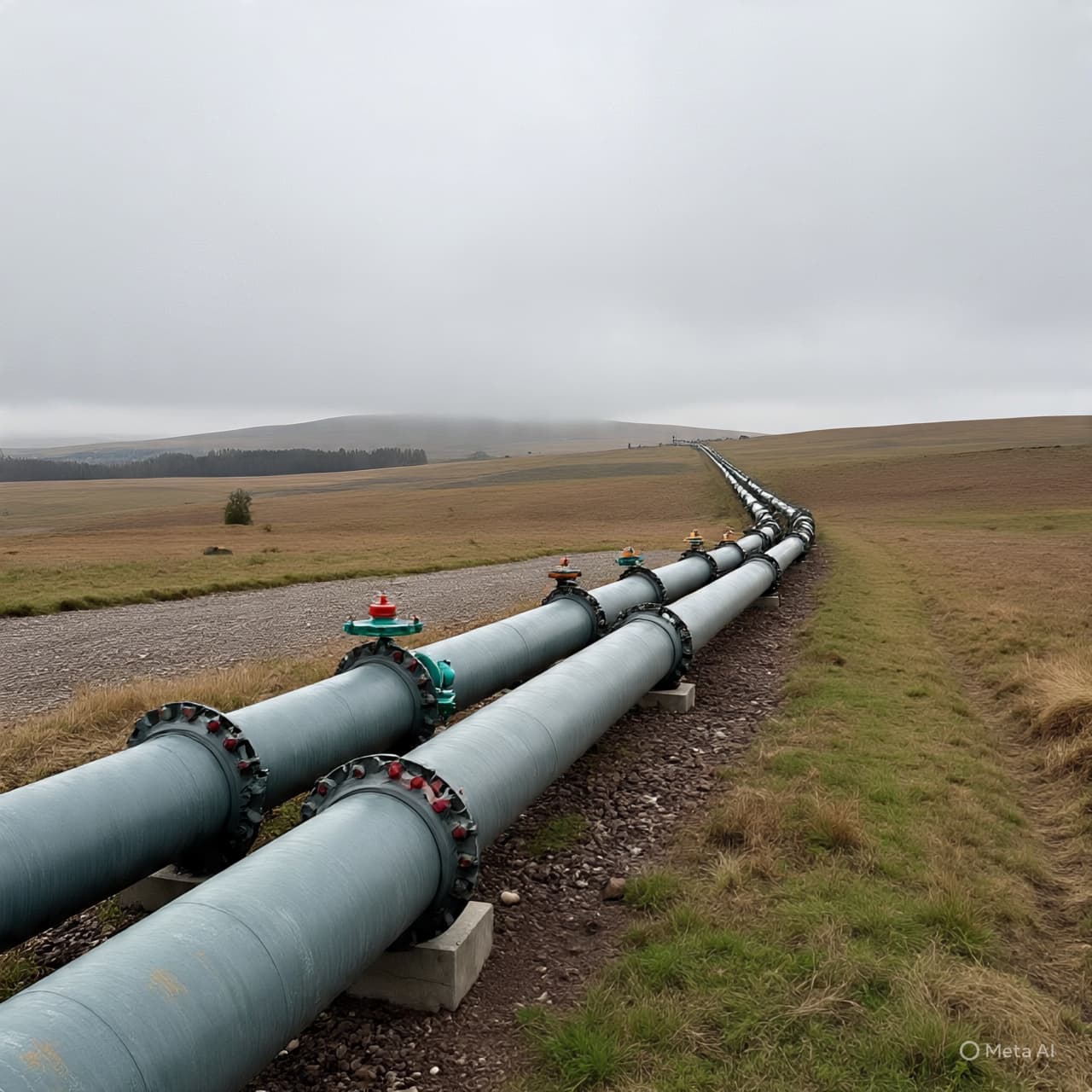
For decades, Russian gas flowed into Europe as both commodity and assumption. Pipelines became infrastructure not only of supply, but of trust and convenience. Even after tensions deepened, the flow persisted in reduced form, buffered by contracts, logistics, and the difficulty of rapid change. The vote marked the moment when that lingering dependency was formally set aside.
The shift reflects years of gradual adjustment rather than a sudden rupture. European energy systems have been reoriented through diversification, expanded liquefied natural gas capacity, alternative suppliers, and accelerated investment in renewables. By the time the vote took place, the physical reliance had already diminished. What remained was the political acknowledgment that the transition was no longer provisional.
Supporters of the move frame it as a matter of strategic autonomy. Energy, once treated primarily as an economic input, has become inseparable from questions of security and resilience. Cutting off Russian gas is presented not as a single policy act, but as part of a broader effort to insulate critical systems from external pressure and long-term risk.
Still, the consequences are uneven. Energy prices, industrial costs, and supply flexibility continue to vary across member states. The vote does not erase those differences, nor does it end debate over how Europe balances climate goals, affordability, and security. Instead, it sets boundaries within which those debates will now unfold.
What distinguishes this moment is its sense of closure. The EU’s decision signals that the era of managing dependence through partial measures has given way to one of deliberate separation. In energy markets, where history often lingers in infrastructure, such clarity is rare.
As Europe moves forward, the absence of Russian gas will gradually fade from daily attention, absorbed into new supply chains and policy routines. Yet the vote will remain as a marker of how geopolitical reality reshaped an economic relationship once considered permanent.
Published by Banx Network. This article is part of the Banx decentralized media programme, powered by the BXE token on the XRP Ledger.



