In moments of democratic choice, a country often reveals much about its present concerns and future hopes. In Portugal’s recent presidential election, voters delivered a clear decision that resonated beyond the numbers: centre-left candidate António José Seguro emerged victorious over his far-right rival, capturing the presidency in a contest watched closely at home and abroad.
Seguro, a seasoned political figure with deep roots in Portuguese public life, presented a platform grounded in social cohesion, economic stability, and international engagement. His message — one that emphasized inclusion, shared opportunity and a balanced vision for Portugal in a changing Europe — appealed to many citizens seeking continuity and calm amid a global moment marked by economic uncertainties and political fragmentation elsewhere.
Across the country, polling stations saw turnout that reflected a thoughtful electorate. In cities, towns and rural communities alike, voters spoke of priorities that often stemmed from everyday experience: access to quality services, support for families and workers, and a sense that national leadership should foster unity rather than discord. For those who cast their ballots for Seguro, the choice carried both affirmation of his personal experience and a broader expression of commitment to values that emphasize dialogue and cooperation.
The outcome stood in contrast to the appeal of his main rival, a candidate from the far-right fringe whose campaign leaned on sharper rhetoric and critiques of established institutions. While that perspective found support among a segment of the electorate concerned about economic pressures and global instability, it did not command a majority on election day. The result, therefore, was seen by many observers as an affirmation of Portugal’s centrist and progressive traditions, even as the political landscape across Europe continues to evolve.
Analysts noted that the Portuguese constitution grants the president an important though largely symbolic role, without executive power on the scale of a prime minister. Still, the presidency carries moral authority and a voice in matters of national identity, constitutional stability and the country’s place within the European Union. Seguro’s victory thus resonates not only in political circles but also in civic conversations about how Portugal views itself and its role in a broader community of nations.
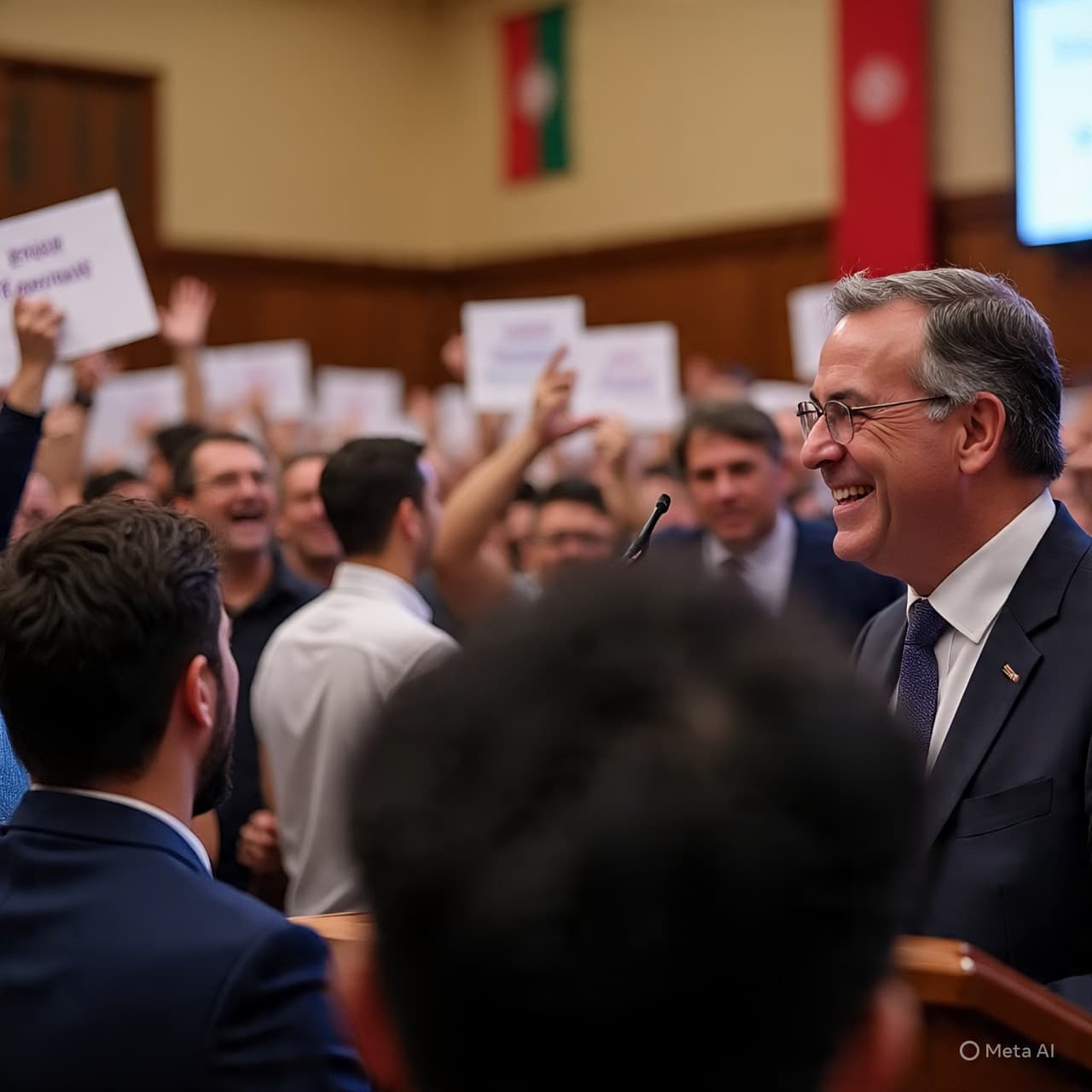
For supporters of the newly elected president, there was a sense of relief and optimism on election night. In Lisbon’s squares and neighbourhoods, small gatherings echoed with applause, embraces and reflective discussions about what comes next. For others who had hoped for a different outcome, there was respect for the democratic process and a shared wish that the new president will serve all citizens with fairness and integrity.
In the broader arc of Portugal’s history, this moment represents both continuity and choice: continuity in the country’s democratic traditions and choice in how it positions itself amid domestic challenges and international expectations. Seguro’s leadership begins now under the watchful eyes of those who supported him and those who did not, each looking for a president who can preserve stability, encourage progress and honor the diversity of voices in Portuguese society.
Through it all, one truth remains central to democratic life: leaders may rise and fall, but it is the collective act of participation — the simple yet profound gesture of voting — that shapes a nation’s story one chapter at a time.
AI Image Disclaimer Visuals are created with AI tools and are not real photographs.
Sources
• Reuters reporting on the Portuguese presidential election and António José Seguro’s victory
• Associated Press coverage of the electoral outcome and candidate positions
• European news outlets analyzing voter trends and election implications
Published by Banx Network. This article is part of the Banx decentralized media programme, powered by the BXE token on the XRP Ledger.