
Key Highlights
- Journalist Amal Khalil killed in Israeli airstrike in Lebanon.
- Ongoing tensions between Israel and Hezbollah complicate regional stability.
- Diplomatic efforts between Iran and the U.S. face significant obstacles.
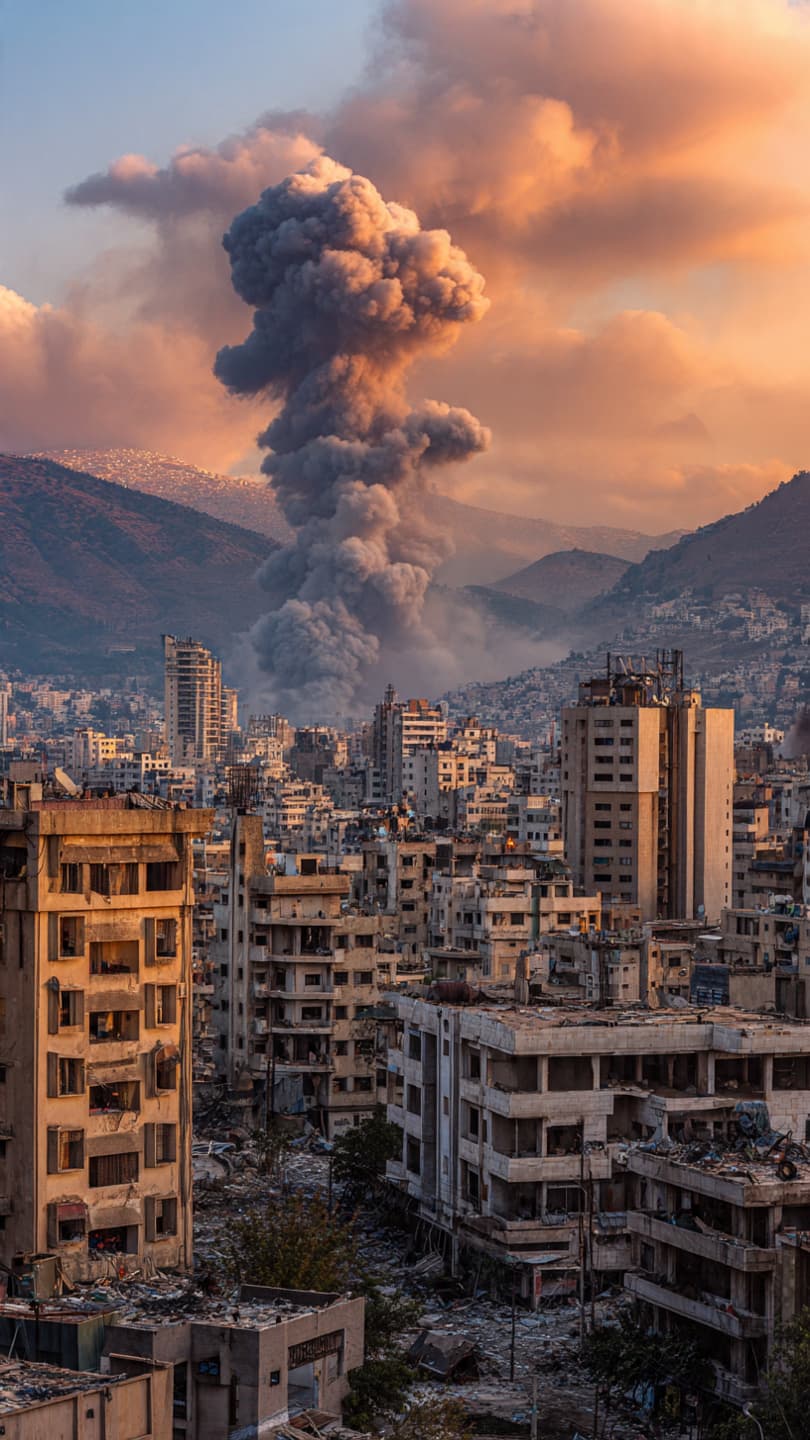
The recent death of journalist Amal Khalil in an Israeli airstrike in southern Lebanon has drawn attention to the escalating violence in the region. Khalil was among several casualties in a strike that occurred amid ongoing exchanges of fire between Israel and Hezbollah. This incident not only highlights the perilous conditions under which journalists operate but also underscores the broader human cost of conflicts that often seem distant from the lives of those reporting on them.
As the situation in Lebanon deteriorates, the complexities of the Israel-Hezbollah conflict are becoming increasingly intertwined with the ongoing tensions between Iran and the United States. The Iranian government has made it clear that any potential for regional stability is linked to developments in Lebanon, suggesting that peace cannot be achieved in isolation from the broader geopolitical landscape. This interconnectedness complicates efforts for de-escalation, as actions in one conflict zone reverberate throughout the region.
The death of Khalil serves as a stark reminder of the risks faced by media professionals who strive to document the realities of war. In many cases, journalists find themselves caught in the crossfire, their lives endangered as they report on the very conflicts that threaten civilian populations. The increasing vulnerability of media workers reflects a troubling trend in modern warfare, where the lines between combatants and non-combatants are increasingly blurred.
In addition to the immediate human toll, the ongoing violence has significant implications for diplomatic efforts aimed at resolving the Iran-U.S. standoff. Recent negotiations, including those mediated by Pakistan, have stalled, with Iranian officials citing U.S. military presence and blockades as major obstacles to progress. The lack of a renewed framework for dialogue raises concerns about the potential for further escalation in the region.
As casualty figures in Lebanon continue to rise, with thousands reported killed since the escalation began, the international community faces a daunting challenge. Governments and organizations must navigate the complexities of addressing both immediate humanitarian needs and the long-term quest for stability. The situation is further complicated by global energy markets, which react to disruptions in the Gulf, adding another layer of urgency to the crisis.
Despite the grim outlook, diplomatic channels remain open, with various parties expressing a willingness to engage in talks. However, the lack of clear timelines or guarantees leaves many skeptical about the prospects for meaningful progress. The language of negotiation persists, but the realities on the ground suggest that the path to peace remains fraught with challenges.
In this volatile environment, defining progress becomes increasingly difficult. Each new development—whether a military strike, a diplomatic statement, or a stalled negotiation—adds to a narrative that is still searching for resolution. As the world watches, the human cost of these conflicts continues to mount, reminding us of the urgent need for a comprehensive approach to peace in the region.
Published by Banx Network. This article is part of the Banx decentralized media programme, powered by the BXE token on the XRP Ledger.



