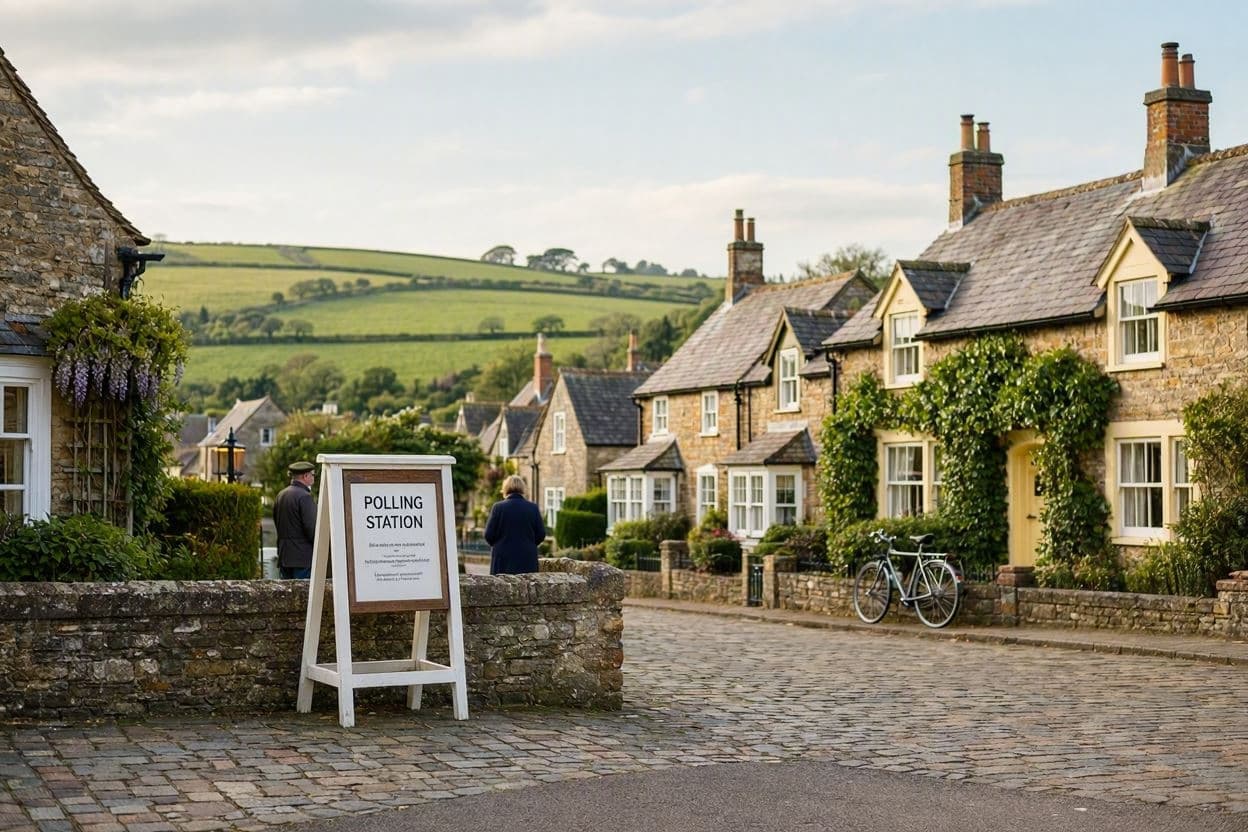
In the quiet countryside of England, where tradition often holds sway over change, a small village has taken a dramatic step that echoes far beyond its borders. Residents of a community in Kent have voted in a symbolic referendum to secede from the United Kingdom, protesting a central government plan to house migrants in local facilities. While legally non-binding, the vote serves as a powerful expression of local discontent, highlighting the growing tension between national policy and community autonomy.
The proposal to convert a former military site into accommodation for asylum seekers sparked immediate opposition among residents. Concerns ranged from the strain on local infrastructure to cultural differences and perceived lack of consultation. For many villagers, the decision felt imposed from above, ignoring the specific needs and desires of the community. The vote to "leave" was less a serious legal maneuver and more a visceral cry for being heard in a political system that often feels distant.
This incident is not isolated but part of a broader pattern of resistance to migration policies across Europe. From rural France to suburban Germany, communities are grappling with the integration of newcomers and the allocation of resources. The English village’s reaction reflects a wider anxiety about identity, security, and the pace of social change. It underscores the challenge governments face in balancing humanitarian obligations with local sentiment.
Local leaders have expressed frustration with the central government’s approach, arguing that meaningful engagement was lacking. The symbolic vote has drawn attention from national media and politicians, forcing a reconsideration of how such decisions are communicated and implemented. It serves as a reminder that policy success depends not just on legal authority but on social license and community trust.
The legal reality, of course, remains unchanged. Secession is not a viable option for a single village, and the UK government retains ultimate authority over immigration and housing. However, the political pressure generated by the vote may lead to adjustments in the plan or greater involvement of local stakeholders. It highlights the power of grassroots mobilization, even when the demands are technically unfeasible.
Supporters of the migrants argue that the village’s reaction is fueled by misinformation and fear. They emphasize the humanitarian need for shelter and the potential benefits of integration, such as cultural enrichment and economic contribution. The debate thus becomes a microcosm of the larger national conversation about diversity, compassion, and the responsibilities of a wealthy nation.
As the situation unfolds, dialogue between the community and authorities will be crucial. Finding a solution that respects both the rights of asylum seekers and the concerns of residents requires empathy and compromise. The village’s vote is a starting point for this difficult conversation, not an end in itself. It invites all parties to listen more closely and act more thoughtfully.
In the end, the story of this English village is a testament to the complexities of modern democracy. It shows how local issues can ignite national debates and how symbolic actions can drive real change. Whether through protest or policy, the quest for balance continues, reminding us that community voices matter in the shaping of our shared future.
AI Image Disclaimer: The images accompanying this article are AI-generated artistic interpretations of rural English landscapes and community gatherings, not actual photographs of the referendum or specific locations.
Sources: The Guardian BBC News The Telegraph
Published by Banx Network. This article is part of the Banx decentralized media programme, powered by the BXE token on the XRP Ledger.