Diplomatic protests often unfold far from cameras, carried instead through carefully worded statements and meetings behind embassy doors. Yet in moments of heightened international sensitivity, even a short video or public remark can ripple outward quickly, drawing reactions from governments already navigating fragile political terrain surrounding the conflict in Gaza.
Several countries reportedly summoned Israeli diplomats after videos circulated showing Israeli National Security Minister appearing to taunt pro-Palestinian flotilla activists detained following the interception of vessels bound for Gaza.
The footage spread widely across social media and international news platforms, intensifying criticism from humanitarian organizations and foreign officials concerned about the treatment and public portrayal of detainees. Some governments expressed concern that the recordings risked inflaming tensions during an already volatile period.
The flotilla had been organized by activists seeking to challenge restrictions surrounding Gaza through a symbolic maritime mission. Israeli authorities intercepted the vessels before they reached the territory, citing longstanding naval security policies linked to ongoing regional threats.
Attention quickly shifted toward the tone and imagery contained in the released videos. Critics argued that public mockery involving restrained detainees undermined diplomatic efforts to maintain restraint and humanitarian sensitivity amid continuing conflict in Gaza.
Several governments responded by summoning Israeli envoys to formally communicate diplomatic objections and request clarification regarding the incident. Such measures are commonly used by states to signal dissatisfaction without immediately escalating broader bilateral disputes.
Within Israel, reactions reflected wider political divisions surrounding both the Gaza conflict and the communication style of senior officials. Some political figures defended the country’s maritime enforcement policies while still questioning whether the public release of provocative footage served Israel’s broader international interests.
Analysts also noted that modern conflicts increasingly unfold through visual narratives shared online in real time. Images and short recordings now shape public opinion rapidly, sometimes influencing diplomatic discussions as strongly as official policy statements themselves.
Israeli officials continued defending maritime security operations around Gaza, while the international reactions highlighted growing concern among several countries regarding rhetoric and imagery connected to the treatment of activists and detainees.
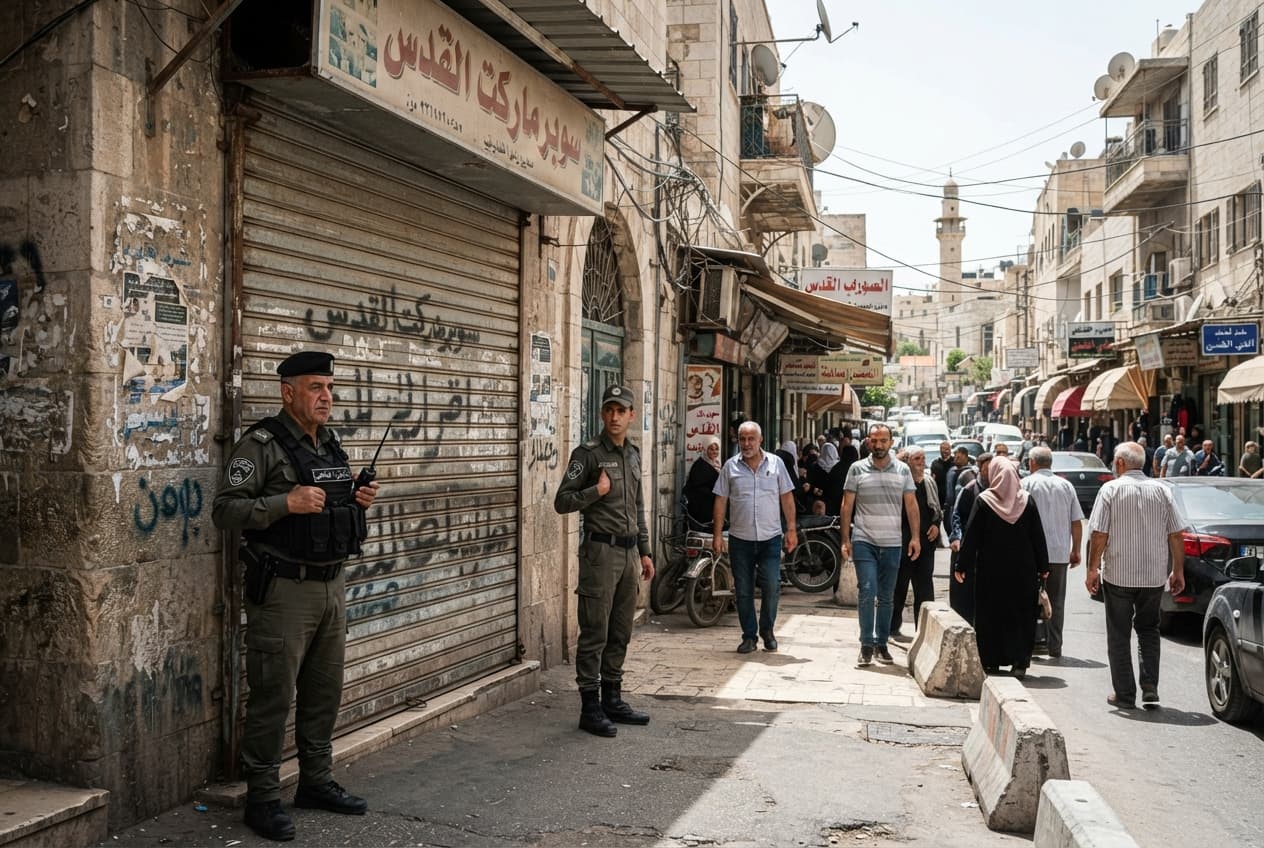
AI-generated image disclaimer: Certain visuals related to this article may include AI-generated representations created to illustrate diplomatic and maritime events.
Sources: Reuters, Associated Press, BBC News, Al Jazeera, Haaretz
Published by Banx Network. This article is part of the Banx decentralized media programme, powered by the BXE token on the XRP Ledger.