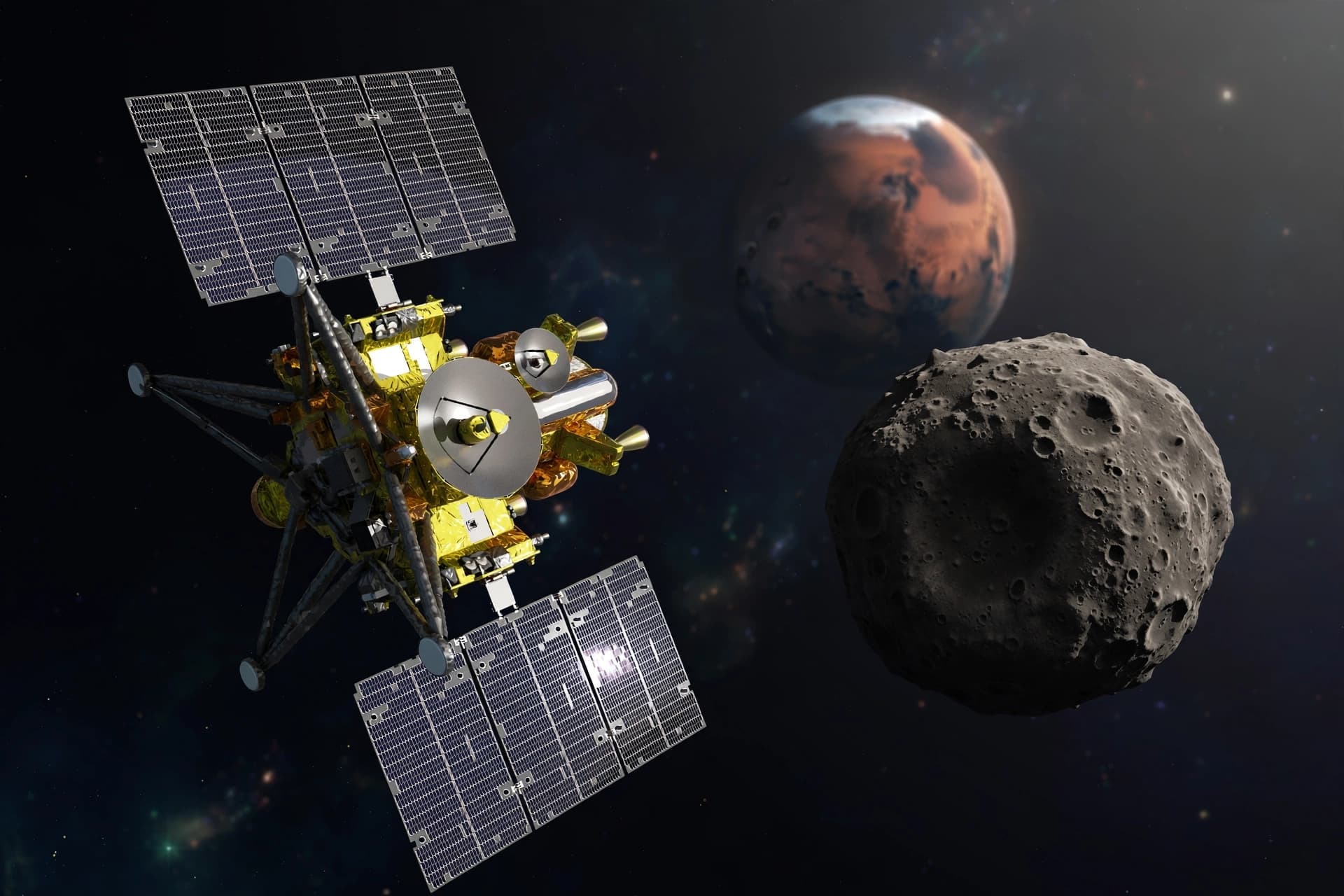
For more than two decades, one aging spacecraft has quietly watched the universe's brightest explosions, recording cosmic events that unfolded billions of light-years away. Like a seasoned lighthouse keeper standing against time and distance, the telescope has continued its vigil far beyond its original expectations. Now, as its orbit gradually declines, an unusually rapid rescue effort is taking shape.
NASA's Transitioning Exoplanet Survey Satellite is not the spacecraft in question; rather, the mission involves the long-serving X-ray observatory known as the Neil Gehrels Swift Observatory. Launched in 2004, Swift has played a critical role in detecting gamma-ray bursts, some of the universe's most energetic phenomena.
Recent reports indicate that Swift's orbit is gradually decaying, raising concerns about its long-term operational lifespan. In response, NASA partnered with Arizona-based startup General Atomics Electromagnetic Systems to develop a rapid spacecraft servicing mission concept.
According to reporting by Science, the rescue vehicle was designed in approximately seven months, an exceptionally compressed schedule by NASA standards. Such accelerated development timelines are relatively uncommon in large-scale space programs, which often require years of planning and testing.
The proposed servicing mission would attempt to rendezvous with Swift in orbit, potentially extending the observatory's scientific life. If successful, it could demonstrate new capabilities for future satellite servicing missions.
Orbital servicing has become an increasingly important area of space technology. Rather than retiring spacecraft once fuel or orbital limitations emerge, future missions may rely on maintenance, refueling, or repositioning conducted in space.
Researchers note that Swift remains scientifically productive, continuing to observe gamma-ray bursts, black holes, and other high-energy cosmic phenomena. Extending its operations could preserve valuable scientific capabilities.
While technical and funding challenges remain, the mission concept highlights growing interest in sustainable space operations and spacecraft longevity.
The coming months are expected to determine whether the ambitious rescue effort can move from rapid design to operational reality.
AI Image Disclaimer: Images associated with this article are AI-generated visual interpretations intended to illustrate the reported events.
Source Verification Check: Science Magazine, NASA, SpaceNews, Ars Technica
Published by Banx Network. This article is part of the Banx decentralized media programme, powered by the BXE token on the XRP Ledger.