Street names are more than mere navigational aids; they are markers of history, identity, and political sentiment. In Ottawa, a residential street named after former U.S. President Donald Trump has become a focal point of diplomatic and civic debate. Recently, the city council voted to begin the process of renaming Trump Avenue, a decision that reflects shifting international relations and local values. This move is not just about changing a sign; it is a statement about the kind of community Ottawa wishes to be in a complex global landscape. Trump Avenue, located in the Central Park neighborhood, was named more than two decades ago during a period of different political dynamics. At the time, the name may have been seen as a nod to a prominent business figure. However, in recent years, the street has become a symbol of controversy, particularly amid strained trade relations and political rhetoric between Canada and the United States. For many residents, the name no longer aligns with their values or the spirit of bilateral cooperation they wish to see.
The decision to rename the street was unanimous among councillors, signaling a broad consensus on the issue. The process will involve public consultation, allowing residents to suggest new names that better reflect the community’s identity. This democratic approach ensures that the change is not imposed from above but emerges from the collective voice of the neighborhood. It is a testament to the power of local governance to address symbolic issues with care and inclusivity.
For the residents of Trump Avenue, the change brings mixed feelings. Some welcome the opportunity to shed a name that has become a source of tension, while others may feel attached to the familiarity of the old sign. Change, even when symbolic, can be disruptive. The city has pledged to manage the transition smoothly, minimizing costs and inconvenience for homeowners. It is a balance between progress and practicality.
The renaming also has broader diplomatic implications. While cities do not set foreign policy, their actions can send subtle messages about public sentiment. By removing the name of a polarizing political figure, Ottawa is distancing itself from the controversies associated with his presidency. It is a small but visible act of redefinition, aligning local spaces with contemporary values of respect and diplomacy.
Historically, street renaming is a common practice as societies evolve. Names that once honored figures now viewed critically are often replaced with those who represent more inclusive or enduring ideals. This process allows communities to curate their public memory, choosing heroes and symbols that resonate with current aspirations. Trump Avenue’s transformation is part of this ongoing narrative of historical reflection.
As the search for a new name begins, the focus will shift to celebration rather than controversy. The new name will likely honor a local hero, a natural feature, or a value cherished by the community. It will be a chance to create a positive association, turning a site of debate into a source of pride. The process itself engages citizens in the story of their city, fostering a sense of ownership and belonging.
Ottawa’s decision to rename Trump Avenue marks a significant shift in the city’s symbolic landscape. It reflects a desire to align public spaces with contemporary values and improve community cohesion. As the renaming process unfolds, it offers an opportunity for residents to shape their neighborhood’s identity in a meaningful way.
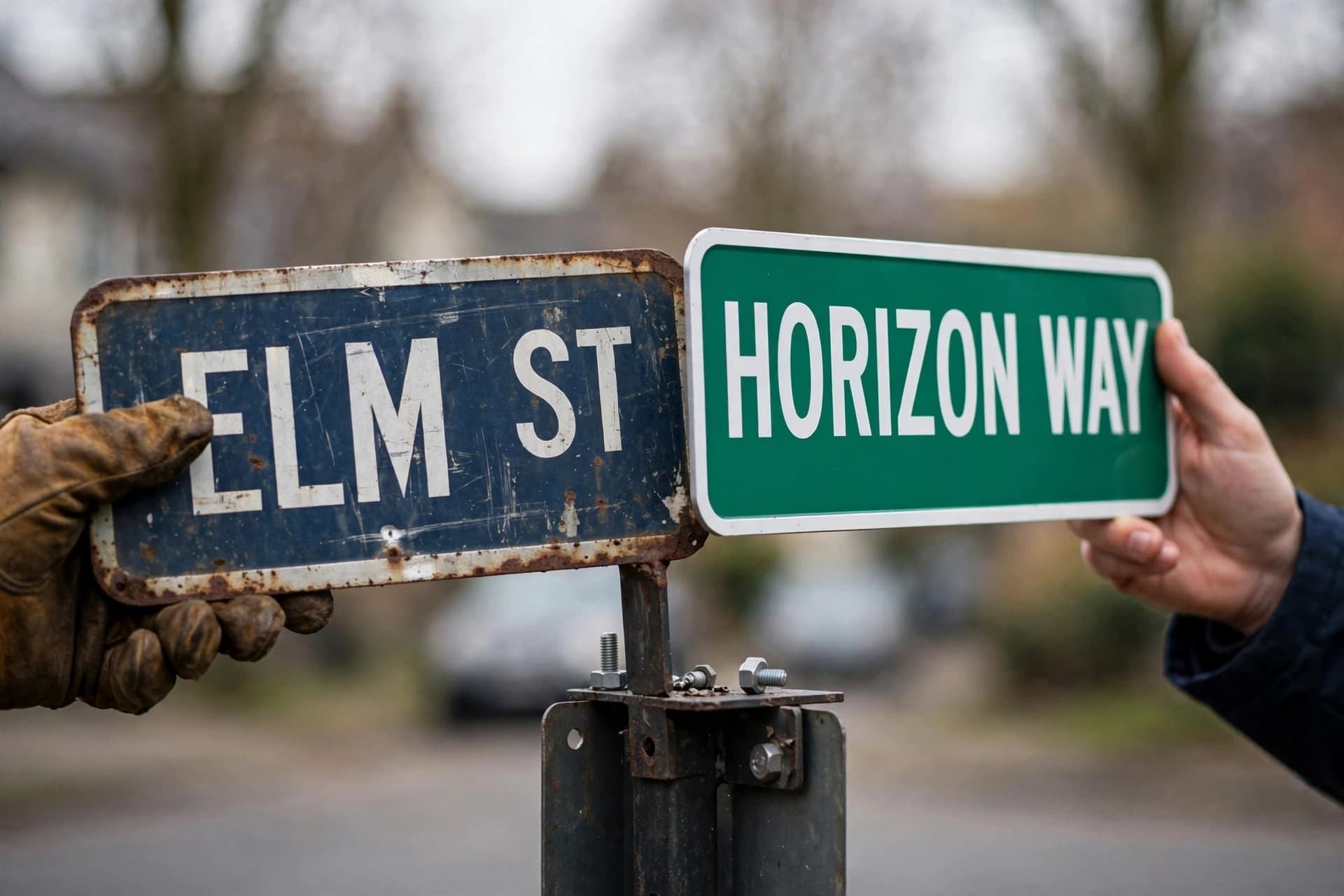
AI Image Disclaimer: The visuals in this article are AI-generated artistic interpretations of street signs and urban landscapes, not actual photographs of Trump Avenue or the city council vote.
Sources: Global News CBC News Ottawa Citizen
Published by Banx Network. This article is part of the Banx decentralized media programme, powered by the BXE token on the XRP Ledger.