There are stories that arrive quietly, in the measured language of police releases, and yet leave behind a weight that lingers long after the words are read. On October 10th, shortly after two in the afternoon, officers were called to a home in the Castle Downs neighborhood of northwest Edmonton. A two-year-old girl was found deceased. Nearly three weeks passed before the police service spoke publicly, and when it did, the word chosen was "suspicious"—a term that carries within it the awful suggestion that what happened to this child was not the work of accident or illness alone.
The Edmonton Police Service confirmed Friday that its Homicide Section has taken over the investigation. The child died at a residence in the Castle Downs area, a quiet, residential pocket of the city's northwest, and the circumstances surrounding her death prompted detectives to treat the case as something more than a tragedy of natural causes. Autopsy results remain pending, held in the provisional space of toxicology testing, and investigators have released no further details about the child or the moments that preceded her death .
There is a particular sorrow in the death of a child, one that resists the usual editorial distance. A two-year-old is a person at the very beginning of the long work of becoming—learning words, testing gravity, discovering the shape of a parent's face. When such a life ends at home, in the place that is meant to be the safest of all, the questions multiply faster than any official statement can answer. The police have not said whether anyone has been arrested or charged. They have not named the child. They have asked, implicitly, for patience.
The Castle Downs neighborhood, like so many in Edmonton's sprawling north end, is the kind of place where families push strollers along sidewalks and children wait for school buses at corners. It is not a place where one expects homicide detectives to arrive. Yet this is the geography of modern policing: violence does not confine itself to the spaces we designate for it. It arrives in the ordinary, and the ordinary is never quite the same afterward.
What the investigation will reveal remains unknown. The toxicology results may clarify what the autopsy alone could not. The homicide detectives may piece together a narrative that the public will never fully see, protected as such proceedings are by the necessity of a fair process and the privacy of grief. What is already clear is that a family has lost a child, and a community has lost the assumption that such things happen elsewhere.
For now, the police service has offered little beyond the essential facts: the date, the time, the age, the location, the word "suspicious." It is the language of an investigation in its early, guarded hours. But behind that language is a girl who lived only two years, and a city that will wait, as it must, for the answers that only time and diligence can provide.
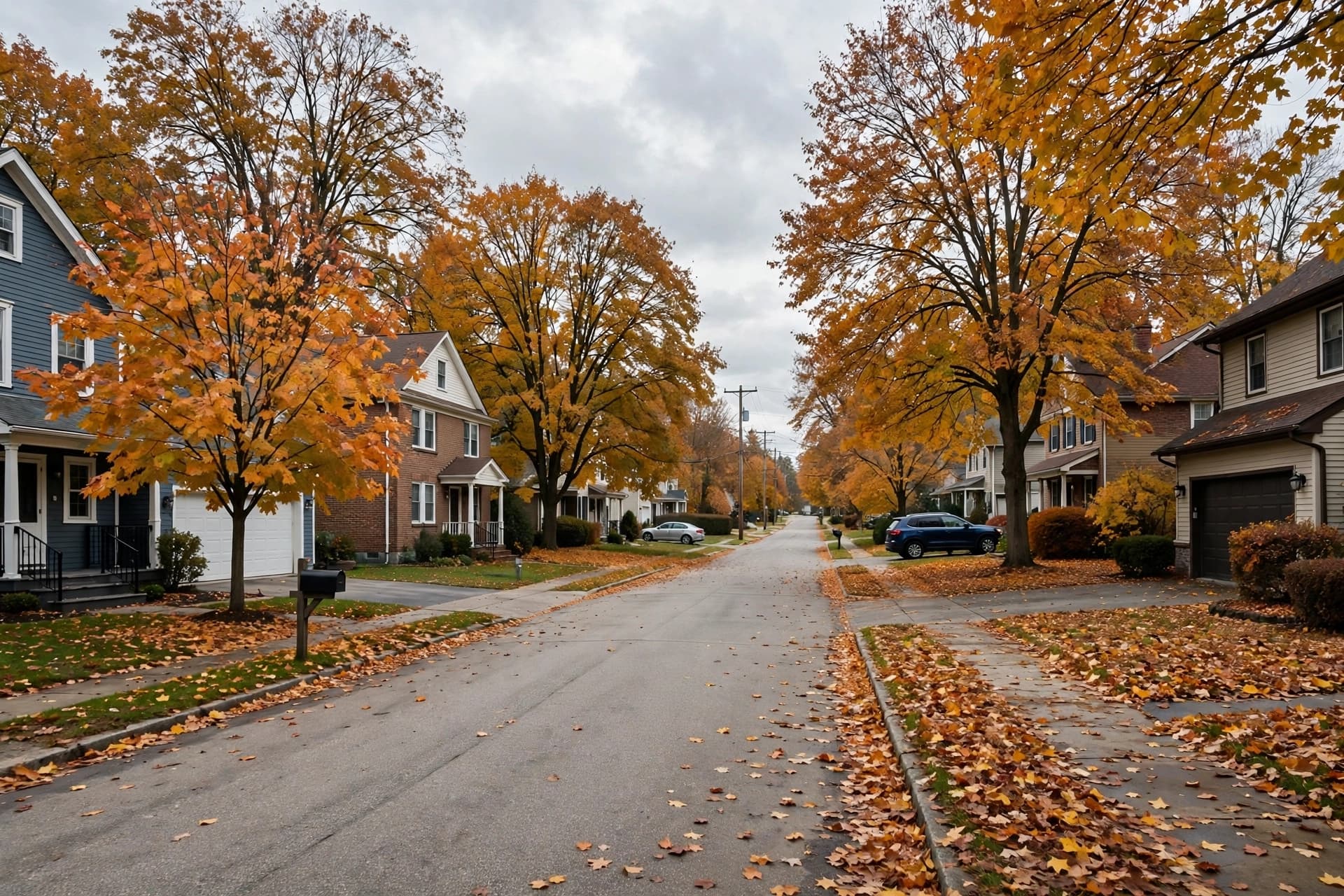
Image Disclaimer: The visual accompanying this report was produced by artificial intelligence and is not a photograph of the child, the family, or the location described.
Sources: CBC News, The Canadian Press, CityNews Edmonton, Edmonton Sun
Published by Banx Network. This article is part of the Banx decentralized media programme, powered by the BXE token on the XRP Ledger.