Investigations into mass violence often begin where the blood was spilled. But they rarely end there. In the case of the Bondi Beach shooting, attention has now shifted far beyond Australia’s shoreline, following new information about the alleged gunman’s movements overseas.
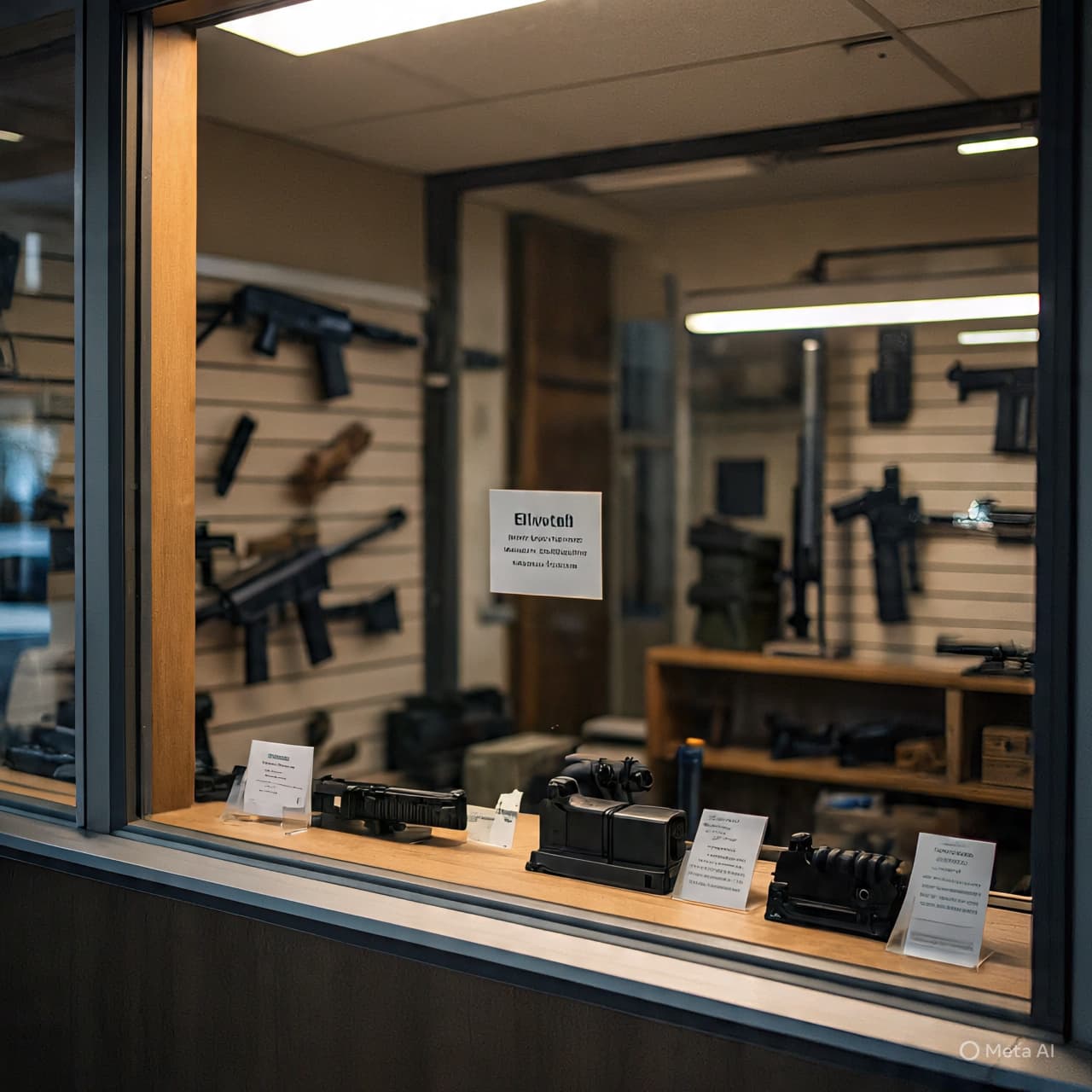
Philippine police say the suspect visited a firearms shop while traveling in the country prior to the attack, a detail that has introduced a new layer of complexity to an already unsettling case. Authorities emphasized that there is no evidence the suspect purchased a weapon during the visit. Still, the revelation has sharpened scrutiny of how intent forms, travels, and sometimes escapes notice across borders.
The visit, according to local law enforcement, occurred during a private trip and did not trigger alarms at the time. Firearms shops in the Philippines operate under strict regulations, and officials stressed that browsing or inquiry alone does not constitute wrongdoing. Yet in the aftermath of Bondi, even mundane actions have taken on retrospective weight.
Australian investigators are now working to reconstruct the suspect’s timeline in full—where he went, who he met, and what signals, if any, were missed. The overseas dimension underscores a reality that modern policing increasingly confronts: violence is often preceded by a chain of actions spread across jurisdictions, none of which appear decisive until viewed together.
For the public, the detail is unsettling precisely because it feels ordinary. A shop visit. A conversation. A moment that, at the time, carried no visible threat. It reinforces how difficult it is to distinguish between curiosity and preparation, between interest and intent.
Officials in both countries have been careful to avoid speculation. Philippine police framed their disclosure as cooperation rather than conclusion, noting that they were responding to formal requests from Australian counterparts. The goal, they said, is clarity—not narrative.
That caution reflects the sensitivity of the moment. Australia is still processing the trauma of the Bondi attack, even as political leaders debate policy responses and law enforcement agencies face questions about oversight, licensing, and prevention. New details risk feeding public anxiety if not handled with restraint.
At the same time, transparency matters.
Understanding how the alleged gunman moved through different systems—legal, geographic, bureaucratic—may help authorities identify gaps that are invisible in isolation. It may also temper assumptions that violence emerges suddenly, without antecedent signs.
The Bondi case is no longer just about what happened on a beach. It is about the quieter spaces before it: airports, storefronts, casual interactions that seemed inconsequential until they weren’t.
Whether the firearms shop visit proves relevant to motive or method remains uncertain. But its disclosure reflects an investigation widening its lens, searching not for a single failure, but for patterns that explain how tragedy took shape.
In mass violence, answers rarely arrive cleanly. They accumulate, piece by piece, often from places far from where the final act occurred.
Published by Banx Network. This article is part of the Banx decentralized media programme, powered by the BXE token on the XRP Ledger.