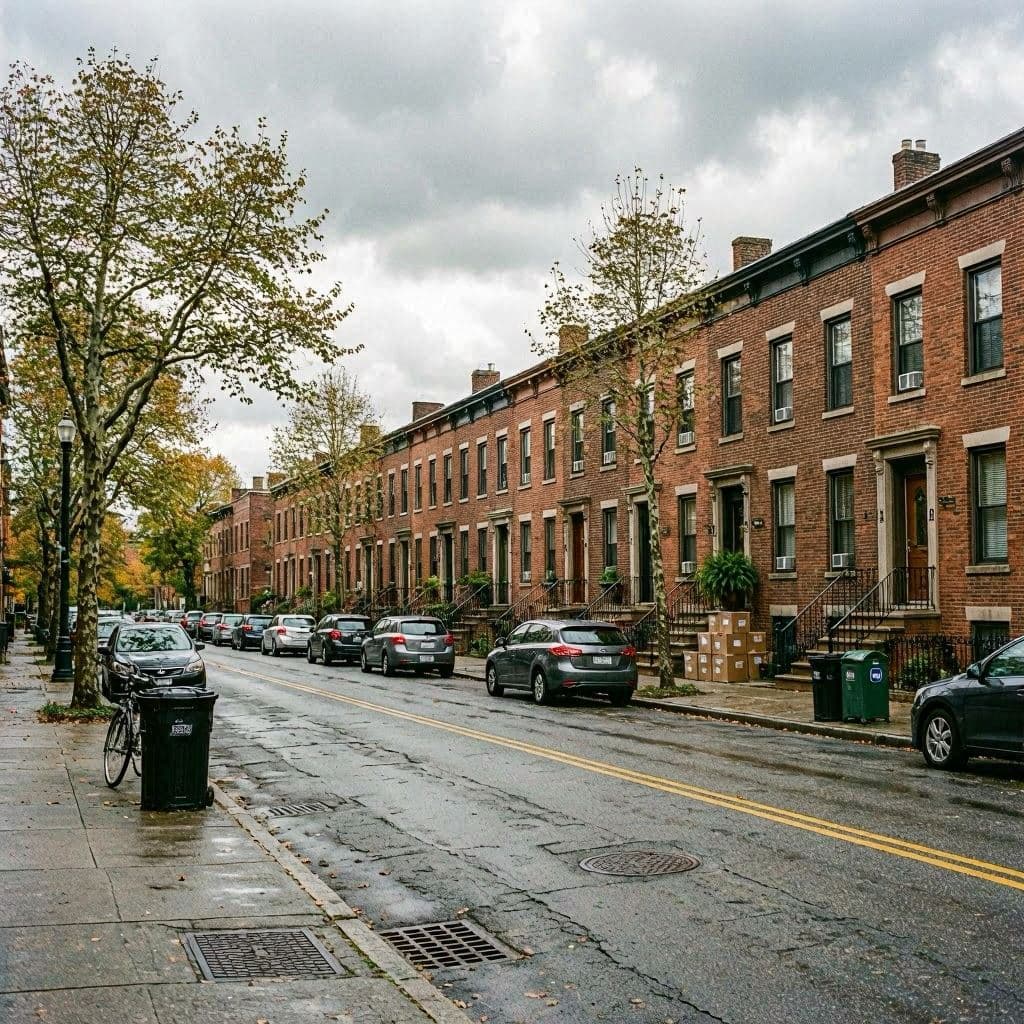
In the quiet neighborhoods of Philadelphia, where daily life usually unfolds with predictable rhythm, a tragic event has shattered the peace. A young contractor, Salis Hanrahan, was fatally shot by a homeowner during a dispute over work at a residence in the Roxborough section. While the incident began as a local tragedy, federal investigators from the Department of Homeland Security (DHS) have revealed a startling layer to the story: Hanrahan was allegedly affiliated with "The Traveling Conman Fraud Group," a transnational criminal organization. This revelation transforms a heartbreaking loss into a complex narrative about deception, vulnerability, and the hidden networks that can infiltrate even the most ordinary interactions.
Body: The shooting occurred on July 8, when Hanrahan, aged 20, was working at the home of a 75-year-old resident. According to police reports, a confrontation escalated, leading the homeowner to fire a weapon. The homeowner has since been charged with murder, but the investigation has uncovered that the victim was not merely an innocent worker caught in a misunderstanding. Federal authorities allege that Hanrahan was part of a sophisticated fraud ring known for targeting homeowners with fake contracting services.
"The Traveling Conman Fraud Group" is described by DHS as a network that operates across state lines, often preying on individuals seeking home repairs. Members of this group allegedly pose as legitimate contractors, collect payments for work that is never completed or poorly done, and then disappear. For the homeowner in Roxborough, the encounter may have been the culmination of frustration and perceived betrayal, though the use of lethal force remains a subject of intense legal and moral scrutiny.
This case highlights the dual nature of victimhood in such scenarios. Hanrahan’s family mourns the loss of a young life, while the homeowner faces the consequences of a fatal decision made in a moment of extreme stress. The involvement of a criminal organization adds a layer of complexity, suggesting that the homeowner may have been targeted by a deliberate scam rather than a simple contractual dispute. It raises questions about how society protects its citizens from both violent crime and financial predation.
For the community, the news is unsettling. The idea that a contractor could be linked to a transnational criminal enterprise challenges assumptions about trust and safety in local transactions. Homeowners rely on the integrity of service providers, and when that trust is violated, the emotional toll can be severe. This incident serves as a cautionary tale about the importance of verifying credentials and the potential dangers lurking beneath surface-level interactions.
Law enforcement agencies are now working to dismantle the broader network associated with Hanrahan. The DHS involvement signals that this is not an isolated incident but part of a larger pattern of fraud that affects victims across the country. Investigating these connections requires resources and coordination, aiming to prevent future harms to unsuspecting homeowners. It is a effort to restore security and justice in the marketplace of services.
The legal proceedings against the homeowner will likely focus on the concept of self-defense or defense of property, weighed against the proportionality of the response. The alleged criminal background of the victim may influence public opinion and legal strategy, but the core issue remains the taking of a human life. The courts will need to navigate these nuanced circumstances with care, ensuring that justice is served for all parties involved.
As the investigation continues, the focus shifts to understanding the full scope of the fraud group’s activities. Victims of previous scams may come forward, providing insights into the methods and reach of the organization. This collective testimony can help build a stronger case against the network and offer some measure of closure to those who have been financially harmed. It is a process of uncovering truth amidst tragedy.
Closing: In the end, the death of Salis Hanrahan is a sobering reminder of the complexities of modern crime. It intertwines personal loss with broader issues of fraud and security. As the legal system processes this case, the hope is that it leads to greater awareness and protection for homeowners, while also addressing the root causes of such deceptive practices.
AI Image Disclaimer: Please note that any accompanying visuals for this narrative are artificially generated interpretations meant to evoke the spirit of the story, not documentary evidence.
Sources: 6ABC Philadelphia NBC Philadelphia
Published by Banx Network. This article is part of the Banx decentralized media programme, powered by the BXE token on the XRP Ledger.