Negotiations don’t trend on TikTok, but they shape the next decade more than any viral clip ever will.
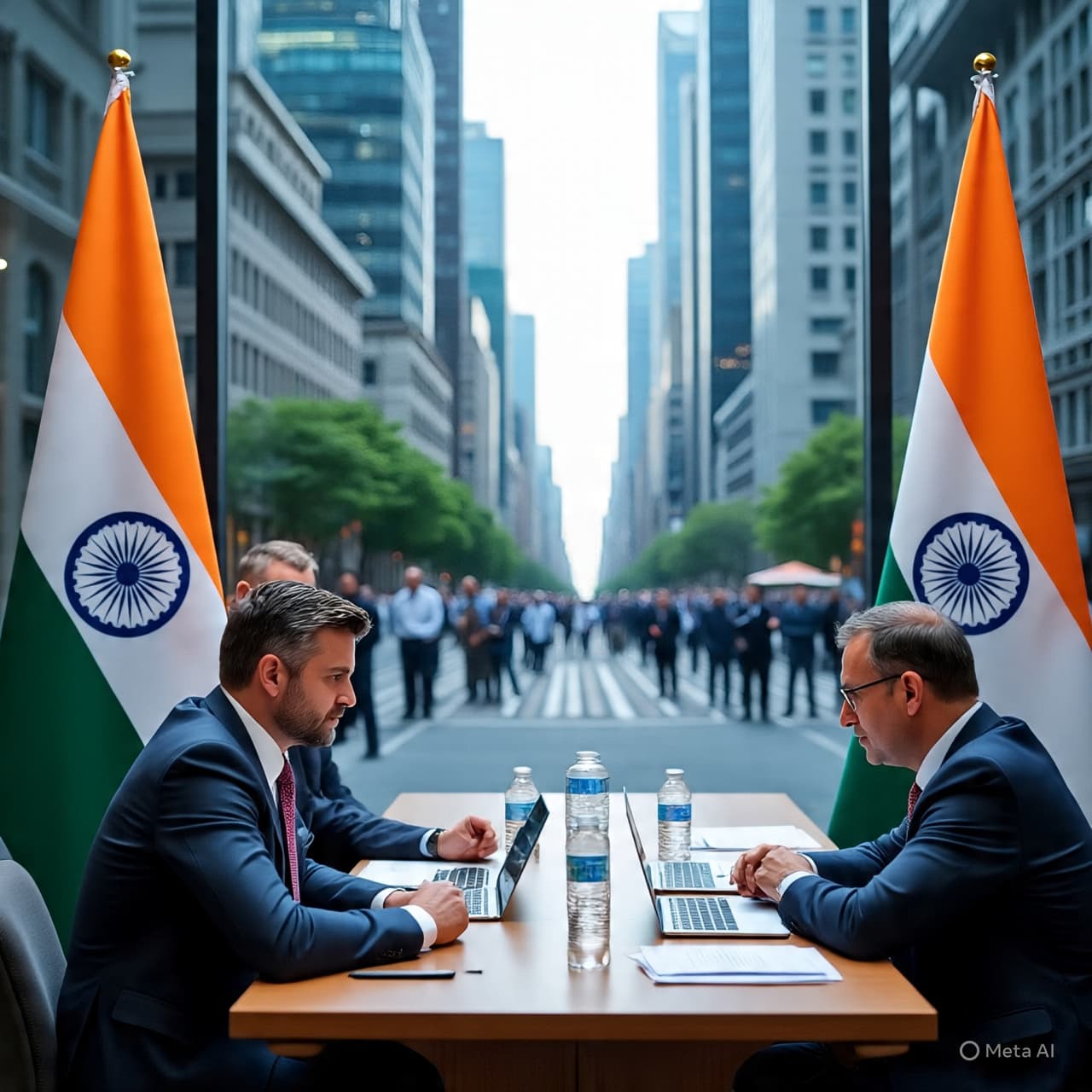
India’s trade secretary now says New Delhi and Brussels are progressing well — and that an agreement could realistically close by the end of this year.
If true, this is a quiet continental shift.
Because when the world feels split into blocs — China vs. the West, the U.S. rewriting tech export rules, supply chains re-nationalizing one factory at a time — a deal like this looks almost old-fashioned. Two economic giants choosing to negotiate instead of threaten. Choosing paperwork instead of posturing.
India gets more than tariff relief. Europe gets more than market access. Both get optionality.
Optionality is the rarest resource in geopolitics right now.
The interesting part is that neither side is selling this as a grand alliance. It’s framed as technical progress. Which is often how diplomatic breakthroughs actually happen in the real world — no ceremony, just lawyers, translators, and 600 pages of customs language.
Published by Banx Network. This article is part of the Banx decentralized media programme, powered by the BXE token on the XRP Ledger.