Scientific progress often begins with discoveries so small they are invisible to the naked eye. Within the intricate machinery of living cells, researchers continue uncovering biological mechanisms that may one day transform medicine. A recent study has identified a protein that appears capable of helping cells resist the harmful effects of certain genetic mutations, opening a promising avenue for future drug development.
The research focuses on how cells respond when mutations disrupt normal biological processes. While some genetic changes have little impact, others can contribute to disease by interfering with essential cellular functions.
Scientists discovered that a specific protein appears to act as a protective mechanism, reducing the damage caused by certain harmful mutations. By helping maintain cellular stability, the protein may allow cells to function more effectively despite underlying genetic changes.
Researchers believe the finding could have implications for a variety of medical fields. Conditions linked to genetic mutations, including some cancers and inherited disorders, may potentially benefit from therapies inspired by this biological process.
The study remains in the research stage, and scientists emphasize that significant work lies ahead before practical treatments become available. Laboratory findings must undergo extensive testing and validation before they can be translated into clinical applications.
Even so, the discovery highlights the growing sophistication of modern molecular biology. Advances in genetic analysis, protein mapping, and cellular imaging allow researchers to observe biological processes with unprecedented detail.
Medical experts note that understanding protective cellular mechanisms can be just as important as identifying disease-causing factors. Learning how the body naturally resists damage may reveal new strategies for treatment and prevention.
Research teams around the world are increasingly exploring similar approaches, seeking ways to strengthen the body's existing defenses rather than focusing solely on eliminating disease processes.
Although the path from discovery to medicine is often long, the identification of this protective protein represents a meaningful scientific step. It offers researchers a new direction in the continuing effort to develop more effective therapies for complex diseases.
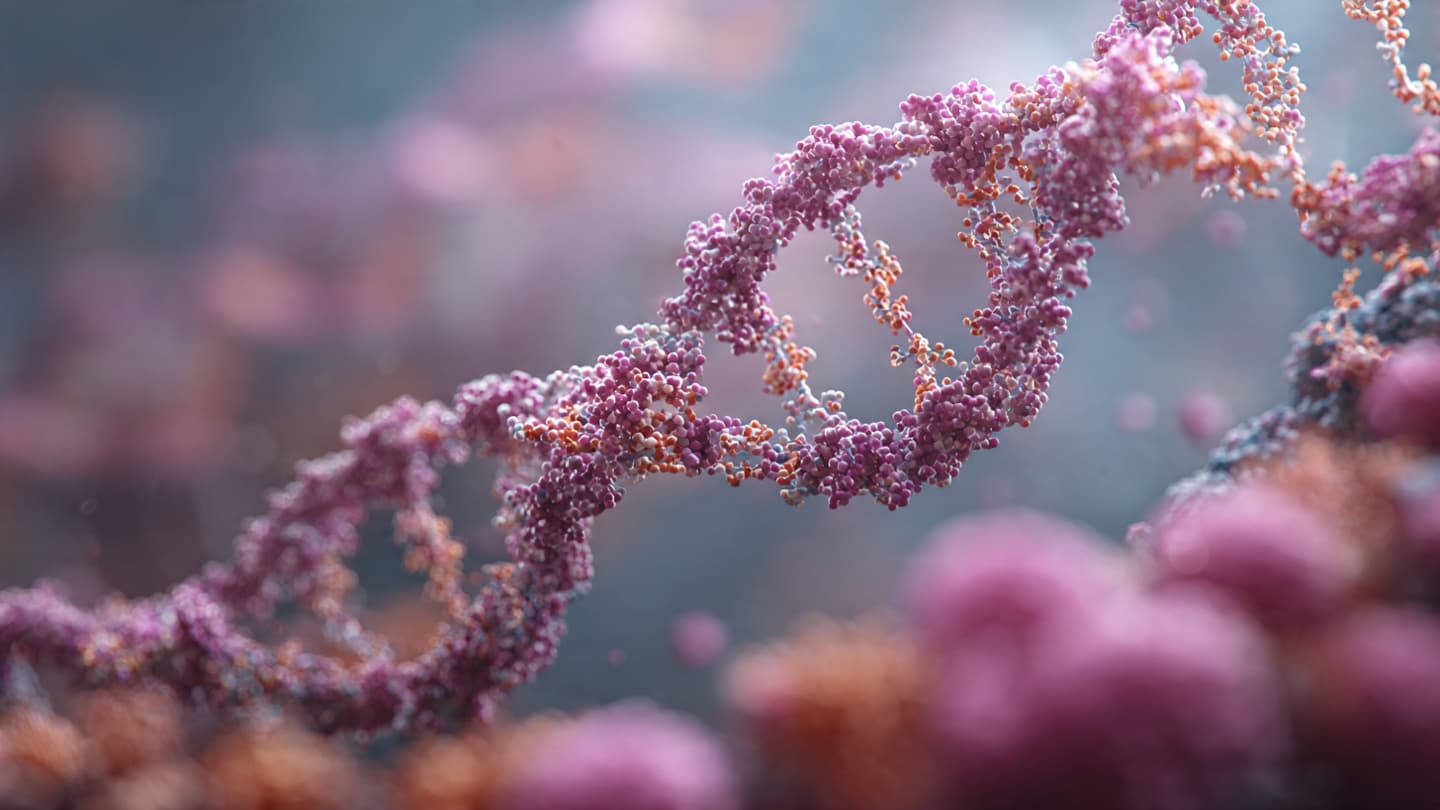
AI Image Disclaimer: Images used with this article are AI-generated scientific illustrations designed to visualize cellular and molecular research concepts.
Sources Verified Nature Nature Medicine Science National Institutes of Health (NIH) Reuters
Published by Banx Network. This article is part of the Banx decentralized media programme, powered by the BXE token on the XRP Ledger.