In the dense, verdant heart of Central Africa, a silent and formidable adversary has reemerged, casting a long shadow over communities already burdened by hardship. The Democratic Republic of the Congo is currently grappling with a severe outbreak of Ebola virus disease, a pathogen known for its rapid progression and high mortality rate. Recent reports indicate that the death toll has surpassed 1,000, a sobering milestone that underscores the fragility of public health infrastructure in the region. This crisis is not merely a statistical tragedy but a profound human suffering that demands global attention, compassion, and sustained support.
Body: The current outbreak, caused by the Bundibugyo strain of the Ebola virus, has spread across several provinces, including Ituri and North Kivu. These areas have historically faced challenges related to conflict, displacement, and limited access to healthcare, which complicate containment efforts. The virus spreads through direct contact with bodily fluids of infected individuals, making community transmission difficult to halt without rigorous hygiene practices and isolation protocols. Health workers on the ground are operating under immense pressure, often in remote locations with scarce resources.
International organizations, including the World Health Organization (WHO) and Médecins Sans Frontières (MSF), have mobilized significant resources to assist local authorities. Teams are working to establish treatment centers, trace contacts, and educate communities about safe burial practices, which are critical in preventing further spread. Despite these efforts, the sheer scale of the outbreak has overwhelmed existing capacities. The logistical challenges of reaching isolated villages, combined with occasional community resistance due to misinformation, have slowed the response.
The human cost of the epidemic is staggering. Each number represents a life lost, a family shattered, and a community grieving. Survivors often face stigma and long-term health complications, adding another layer of difficulty to their recovery. The psychological toll on healthcare workers, who risk their lives daily to care for the sick, is also significant. Their dedication is a testament to the resilience of the human spirit in the face of adversity.
Vaccination campaigns have been deployed as a key tool in curbing the spread. Ring vaccination strategies, where contacts of confirmed cases are immunized, have shown promise in previous outbreaks. However, the current strain’s dynamics and the speed of transmission have tested the limits of this approach. Supply chain issues and the need for cold storage in tropical climates present additional hurdles. Ensuring equitable access to vaccines remains a priority for global health agencies.
The economic impact on the region is also profound. Fear of the virus has disrupted trade, agriculture, and daily commerce. Markets have closed, and movement between towns has been restricted, affecting livelihoods. For families already living on the edge of poverty, the loss of income exacerbates vulnerability. Recovery will require not just medical intervention but also economic support to rebuild trust and stability.
Global solidarity is essential in addressing this crisis. Donations, technical expertise, and political advocacy can make a tangible difference. The international community must remain engaged, recognizing that health security is a shared responsibility. By supporting local health systems and empowering communities, we can help build resilience against future threats.
Closing: As the death toll rises, the urgency of the situation in the Congo cannot be overstated. The fight against Ebola is a race against time, requiring coordination, compassion, and commitment. While the numbers are grim, the efforts of countless individuals offer hope. Through collective action, there is a path toward containment and eventual recovery for the affected regions.
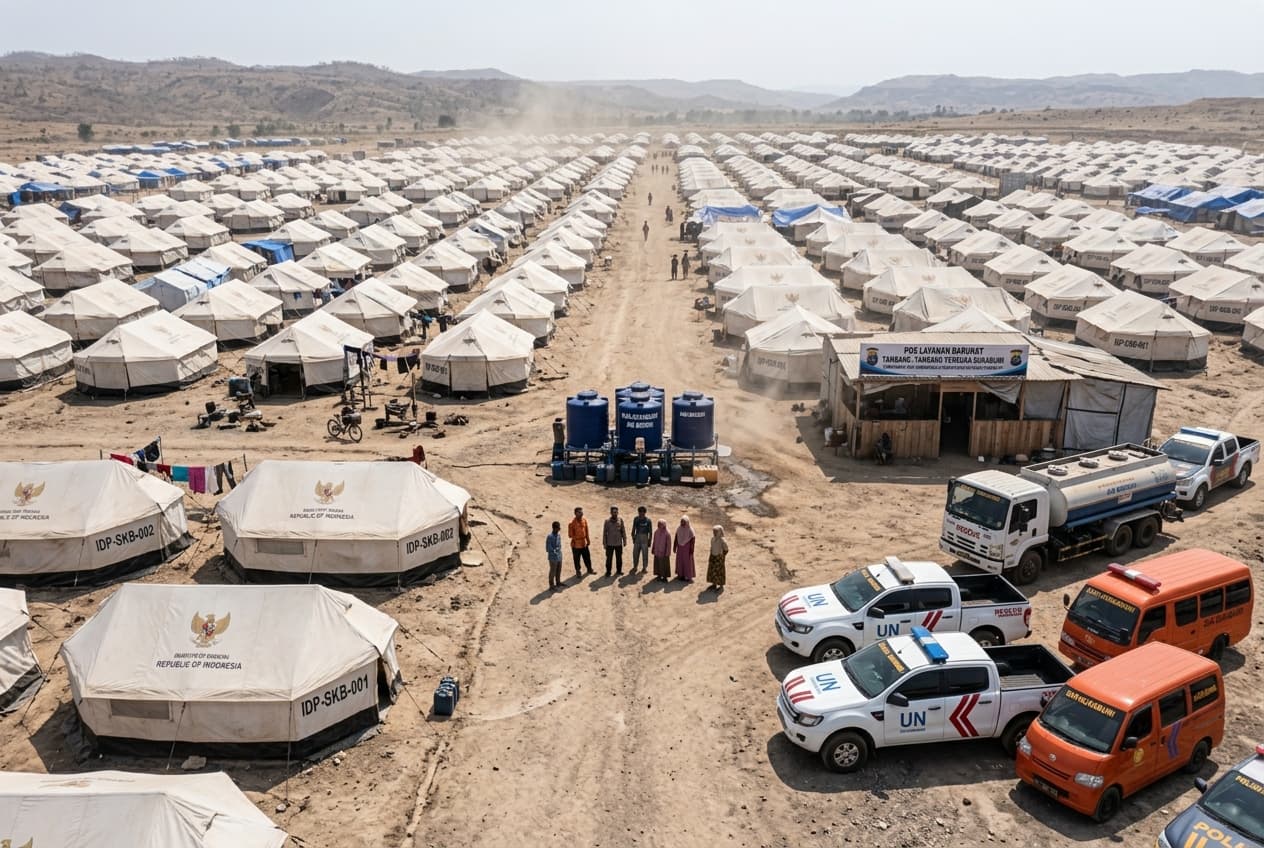
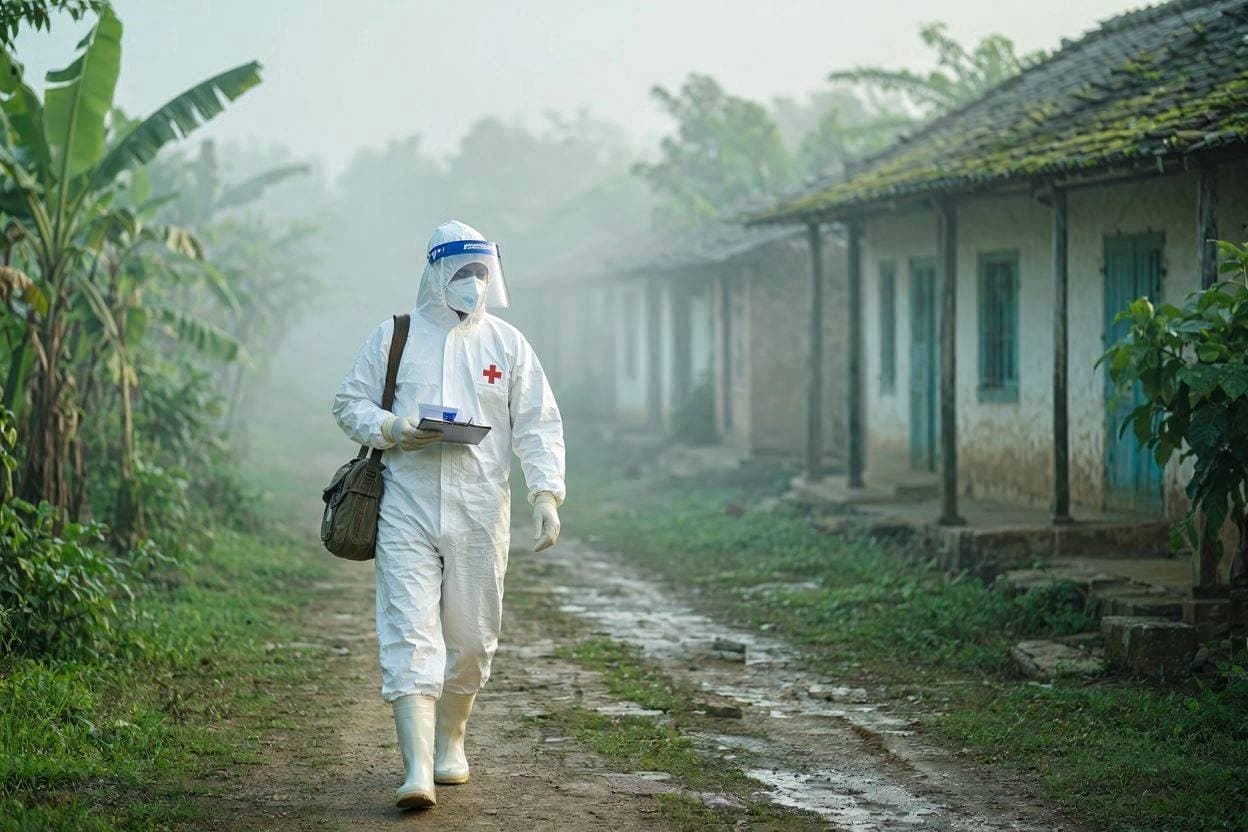
AI Image Disclaimer: The images accompanying this article are AI-generated conceptual illustrations of healthcare workers in protective gear and rural African landscapes, designed to reflect the themes of medical response and community impact without depicting specific real-world individuals.
Sources: World Health Organization (WHO) Centers for Disease Control and Prevention (CDC) Médecins Sans Frontières (MSF) Al Jazeera
Published by Banx Network. This article is part of the Banx decentralized media programme, powered by the BXE token on the XRP Ledger.