The search for worlds beyond our solar system has gradually transformed from speculation into a thriving scientific field. What once belonged largely to imagination is now supported by thousands of confirmed discoveries. The upcoming Ariel mission represents another step in that journey, aiming to examine the atmospheres of approximately 1,000 exoplanets in unprecedented detail.
Developed under the leadership of the European Space Agency, Ariel is designed to focus specifically on planetary atmospheres. Rather than simply identifying planets, the mission seeks to understand what surrounds them and how those environments evolve.
Atmospheres play a critical role in determining planetary conditions. By analyzing chemical composition, temperature patterns, and atmospheric behavior, scientists can gain insight into how planets form and change over time.
Recent research has helped prepare the mission by developing new models that connect stellar activity with atmospheric characteristics. These tools will assist researchers in interpreting future observations more accurately.
The mission is expected to observe a wide variety of planetary types. Some may be large gas giants orbiting close to their stars, while others could possess very different environmental conditions. This diversity offers opportunities for broad scientific comparison.
Astronomers view Ariel as part of a larger effort to understand planetary systems throughout the galaxy. The information gathered may help explain why planets develop in different ways despite forming under seemingly similar circumstances.
The challenge lies in analyzing faint signals from worlds located light-years away. Advances in instrumentation and data processing now make it possible to study atmospheric properties with increasing precision.
Scientists emphasize that Ariel is not primarily a search for life. Instead, the mission aims to build a comprehensive understanding of planetary diversity, creating a stronger foundation for future exploration.
As preparations continue, researchers anticipate that Ariel's observations will significantly expand knowledge about exoplanets and deepen humanity's understanding of its place within a galaxy filled with countless worlds.
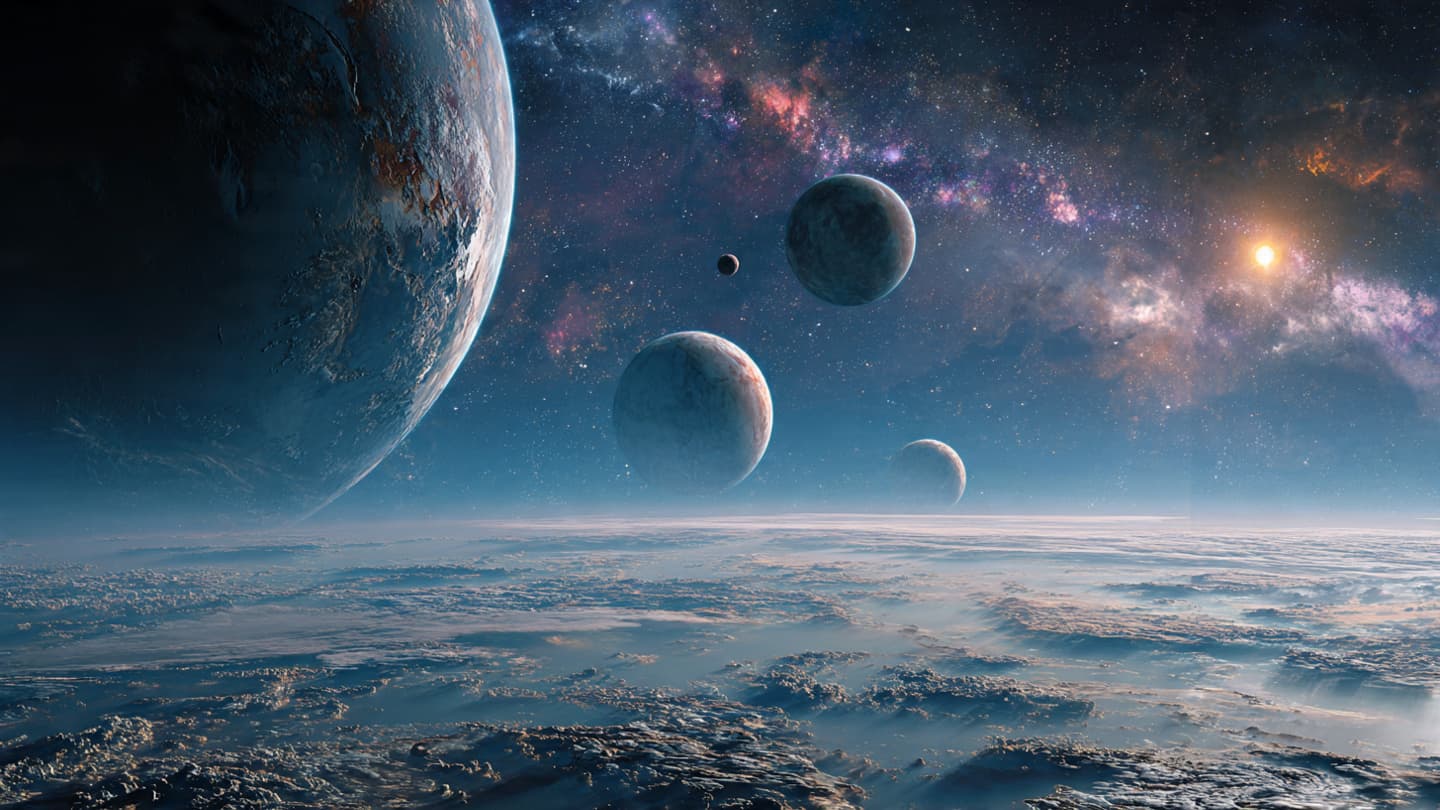
AI Image Disclaimer: This article features an AI-generated illustration intended to visually represent astronomical research and exploration concepts.
Source Verification Check: European Space Agency, arXiv, Nature Astronomy, SpaceNews, New Scientist
Published by Banx Network. This article is part of the Banx decentralized media programme, powered by the BXE token on the XRP Ledger.