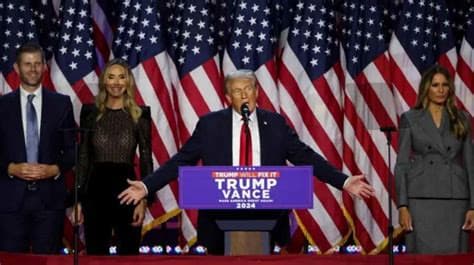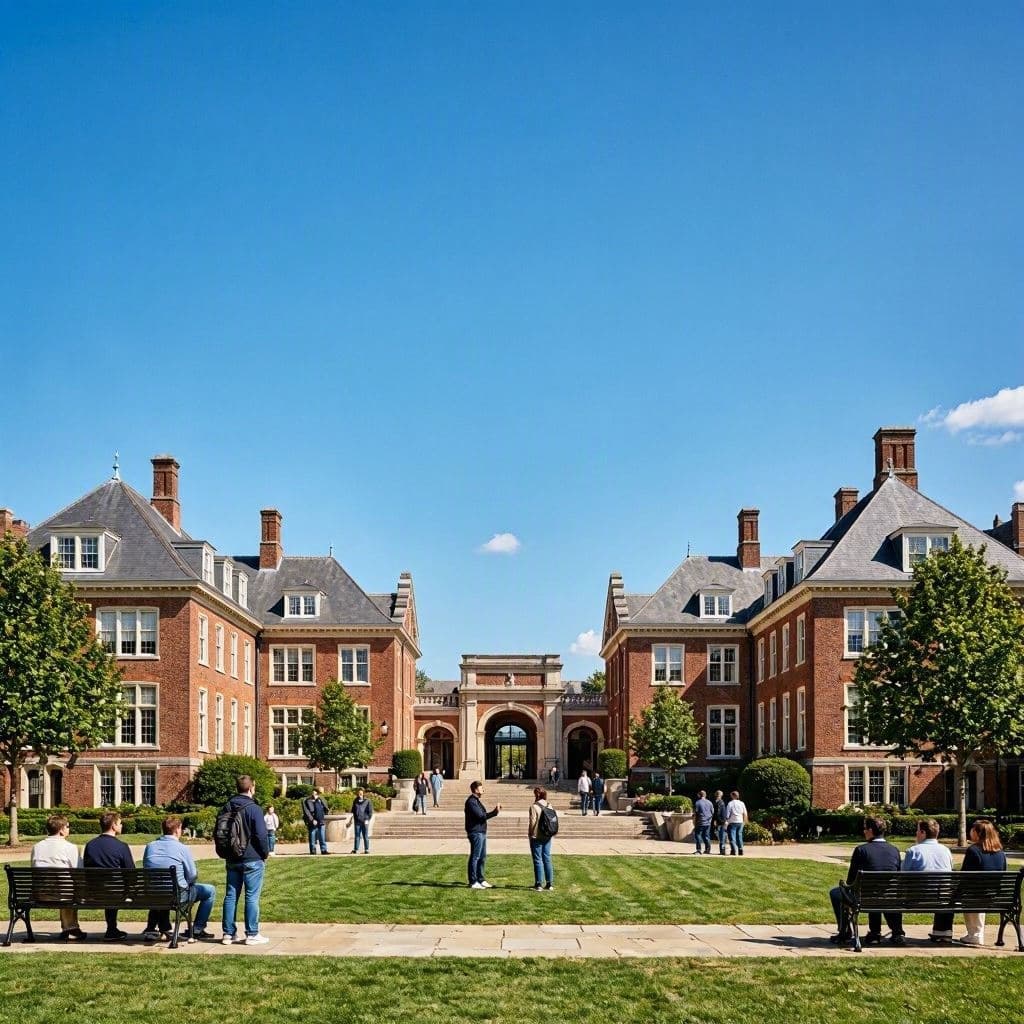
In the vast, sun-drenched landscape of Texas, higher education is undergoing a profound transformation. Prairie View A&M University, a historically black institution, has become the focal point of a conservative effort to reshape the academic landscape. State lawmakers and political leaders are pushing for changes in governance, curriculum, and ideology, turning the campus into a testing ground for a broader vision of what public education should look like in the modern era.
The initiative, driven by Republican legislators, seeks to eliminate what they perceive as liberal bias and "divisive concepts" in university courses. Proposals include restructuring board appointments, increasing state oversight of hiring practices, and restricting the teaching of certain social theories. For supporters, these measures are necessary to restore academic freedom and ensure that taxpayers’ money supports education aligned with traditional values.
Critics, however, view the overhaul as an attack on institutional autonomy and diversity. They argue that political interference undermines the mission of historically black colleges and universities (HBCUs), which have long served as sanctuaries for African American scholarship and leadership. The changes at Prairie View A&M are seen by many as a precursor to similar actions at other institutions, raising alarms about the future of academic independence in Texas.
Faculty and students have expressed concern about the chilling effect these policies may have on classroom discourse. Professors worry that self-censorship will become necessary to avoid controversy, while students fear that their education will be narrowed by ideological constraints. The atmosphere on campus has become tense, with debates playing out in town halls, social media, and legislative chambers.
The national implications are significant. Texas is often a bellwether for conservative policy trends, and its approach to higher education could influence other states. If successful, the "Texas Model" might be exported elsewhere, leading to a fragmented national landscape where curriculum varies widely based on political control. This decentralization challenges the notion of a shared educational foundation.
Despite the controversy, proponents argue that reform is long overdue. They point to rising tuition costs, questionable degree outcomes, and perceived indoctrination as reasons for intervention. By asserting greater control, they believe they can make universities more accountable to the public and more focused on practical skills and civic virtue. The debate is fundamentally about who decides what knowledge is valuable and how it is transmitted.
For Prairie View A&M, the challenge is to navigate this political storm while preserving its heritage and mission. Leadership faces the difficult task of complying with state mandates while protecting the integrity of the institution. It is a balancing act that requires diplomacy, resilience, and a clear vision for the future. The outcome will define not just one university, but the role of public higher education in a polarized society.
As the semester progresses, eyes remain fixed on Texas. The experiment at Prairie View A&M is more than a local issue; it is a referendum on the purpose of education itself. Is it to challenge assumptions and explore diverse perspectives, or to reinforce established norms? The answer, still being written, will resonate far beyond the borders of the Lone Star State.
AI Image Disclaimer: Visuals in this article are AI-generated illustrations of university campuses and abstract representations of political debate, designed to reflect the themes of educational change without depicting real individuals or specific protests.
Sources: Texas Tribune, Inside Higher Ed, The Atlantic, Houston Chronicle
Published by Banx Network. This article is part of the Banx decentralized media programme, powered by the BXE token on the XRP Ledger.