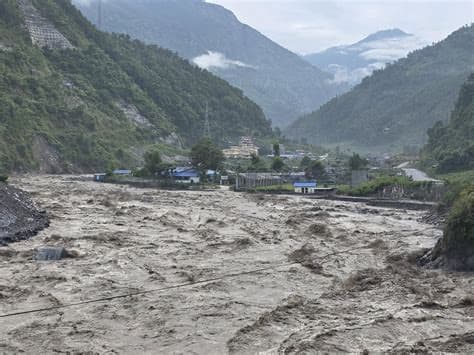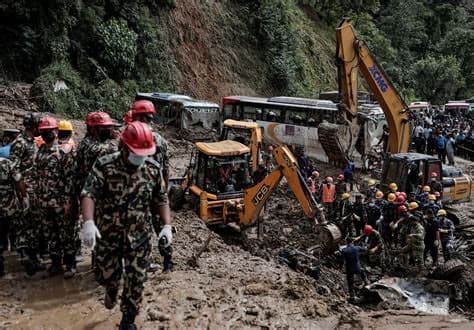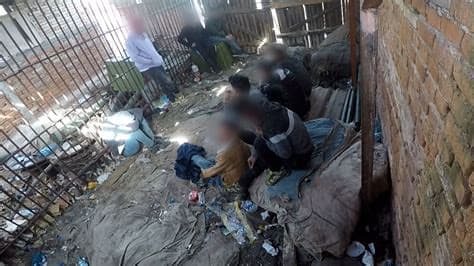
As sea light settles over the eastern Mediterranean, the edges of the Gaza Strip appear almost suspended between water and sky—narrow, densely lived, and watched from every direction. In such places, decisions made in distant courtrooms can ripple outward like weather, altering the pace and pattern of daily survival.
This week, Israel’s highest court signaled that certain aid organizations challenging a government ban may continue operating for now, pending further legal review. The decision by the Supreme Court of Israel allows the groups to keep delivering assistance in Gaza while petitions against restrictions are examined on their merits. The ruling does not resolve the broader dispute, but it pauses its immediate consequences.
The case follows Israeli government measures that limited or barred specific organizations from working in or around Gaza, citing security concerns and alleged links to hostile actors. Officials have argued that oversight and restrictions are necessary amid ongoing conflict and the risk that humanitarian channels could be exploited. Aid groups, for their part, have contested the measures, warning that reduced access compounds humanitarian strain in a territory already grappling with displacement, infrastructure damage, and shortages of basic supplies.
By permitting continued operations during the legal process, the court has effectively maintained the status quo while scrutiny unfolds. In Israel’s judicial system, interim orders often serve as a bridge between urgent executive action and full deliberation, especially in matters touching national security and civil administration. The justices have not publicly detailed their final reasoning, but the temporary relief suggests a recognition of the stakes on both sides: security imperatives and humanitarian access.
Gaza’s needs remain acute. International agencies and local partners have reported fluctuating access to food, medicine, fuel, and clean water, conditions that shift with border crossings, inspections, and the tempo of hostilities. Humanitarian work in the enclave has long depended on delicate coordination among Israeli authorities, Palestinian administrators, and international bodies. Any change in authorization—whether expansion or restriction—can reverberate quickly through clinics, warehouses, and shelters.
Legal challenges to wartime measures are not new in Israel, where courts have historically weighed state security claims against administrative fairness and humanitarian obligations. The current petitions add another layer to an already complex conflict, one in which law, diplomacy, and military policy intersect. For aid organizations, the ruling offers a narrow corridor of continuity; for the government, it preserves the ability to argue its case in full.
As proceedings continue, the outcome may shape not only the operational latitude of specific groups but also the broader framework governing humanitarian activity around Gaza. For now, the court’s decision allows trucks to move, staff to report to work, and services to continue—small motions within a larger, unsettled landscape. Above the shoreline, the light shifts again, and with it the quiet awareness that legal words, like tides, can advance or recede, but always leave a mark.
AI Image Disclaimer
Visuals are AI-generated and serve as conceptual representations.
Sources
Supreme Court of Israel
Reuters
Associated Press
Al Jazeera
Human Rights Watch
Published by Banx Network. This article is part of the Banx decentralized media programme, powered by the BXE token on the XRP Ledger.