There is a particular kind of discomfort that arrives when someone speaks with certainty about hardship they have never known, when the language of solidarity is deployed from a position of comfort so complete that it becomes difficult to hear the words as anything other than performance. On French television this week, a young student and leftist influencer named Lola-Fleur Whittaker sat across from a woman whose bakeries had been looted during the weekend's riots, and offered a response that has since traveled across the internet not for its insight but for its tone. "Your little shops, that's cute," she reportedly said, a phrase that carried the weight of dismissal rather than concern.
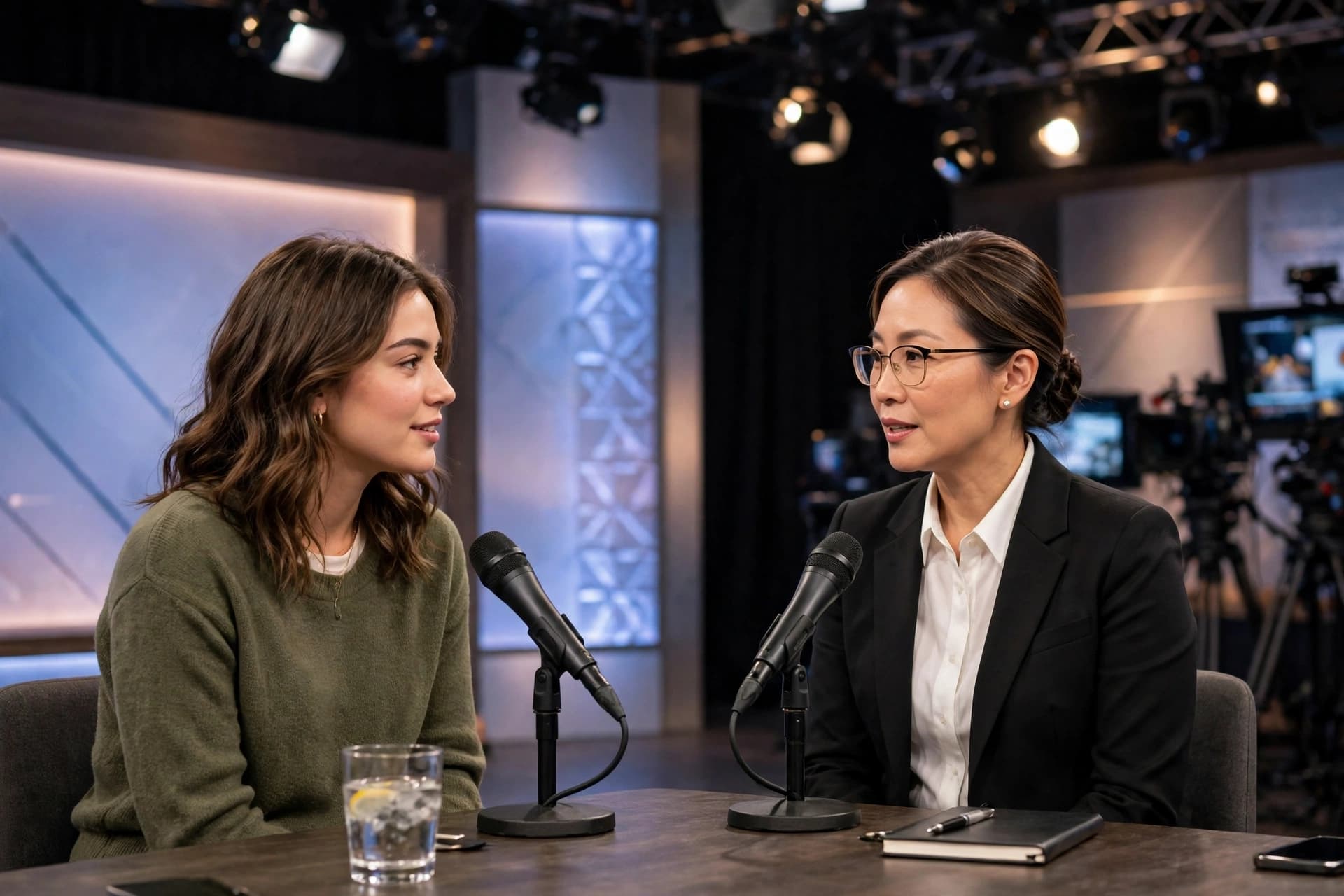
The confrontation, aired on the program La Grande Confrontation, placed Whittaker opposite Khemima Sheilha, the owner of a bakery chain whose businesses had been targeted by looters during the unrest that swept across France over the weekend. Sheilha's response was direct and anguished: "It's my life, Lola. We've had to see our businesses smashed. What justifies terrorizing people's lives?" The question hung in the studio, unanswered in any meaningful way.
What followed was a sequence that has become familiar in the age of social media exposure. Whittaker, facing backlash, attempted to reframe herself as a figure of modest means, claiming her mother was a teacher who ate cookies for lunch because she could not afford the cafeteria . The claim was intended to establish credibility, to place her on the side of the struggling. It did not survive scrutiny.
Within hours, social media profiles were circulating that painted a different picture. Whittaker, a graduate of the University of Manchester and a student at the elite Sciences Po Paris, had shared photographs of vacations in Sicily, Greece, Malaysia, Egypt, and Oman . The contrast between the claimed frugality of cookies for lunch and the documented reality of international travel was stark enough that the internet did what the internet does: it drew conclusions, loudly and without much patience.
The political dimension adds a layer of irony. Whittaker previously stood as a candidate for the far-left party France Unbowed in Paris and has built a following as a leftist influencer . Her appearance on the program was framed as a defense of the rioters, or at least an attempt to contextualize their actions. During the debate, she also drew criticism for appearing to link the recent unrest to the police treatment of Algerian immigrants in October 1961, a comparison that critics described as historically strained .
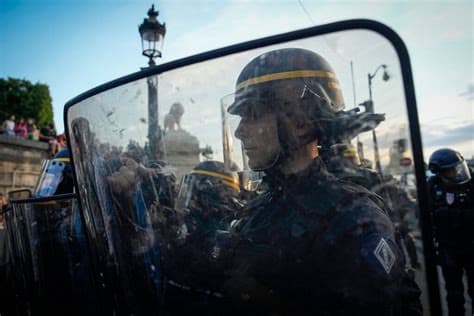
The riots themselves have been widespread. French authorities arrested approximately 2,500 people over the weekend as crowds ransacked luxury retailers and set fire to historic landmarks across multiple cities . The damage to small businesses has been extensive, and the owners who lost their livelihoods are not abstractions in a political argument. They are people like Sheilha, who stood in a television studio and asked a question that deserved a different answer.
There is a lesson here that does not require mockery to make itself known. The language of social justice, when spoken from a position of unexamined privilege, can curdle into something that sounds less like solidarity and more like condescension. Whittaker's phrase—"your little shops, that's cute"—was intended, perhaps, as a dismissal of bourgeois concerns. It landed instead as a dismissal of a woman's life.
Whittaker did not respond to requests for comment following the controversy . The riots will subside, the television debates will move on, and the bakeries will either rebuild or they will not. What remains is a small, sharp reminder that the credibility of a political conviction depends, in part, on whether the person speaking it has any idea what it costs to lose what others are defending.
AI Image Disclaimer: The imagery accompanying this article is generated by artificial intelligence and is intended for illustrative purposes only.
Sources: New York Post, NewsFire, La Depeche
Published by Banx Network. This article is part of the Banx decentralized media programme, powered by the BXE token on the XRP Ledger.