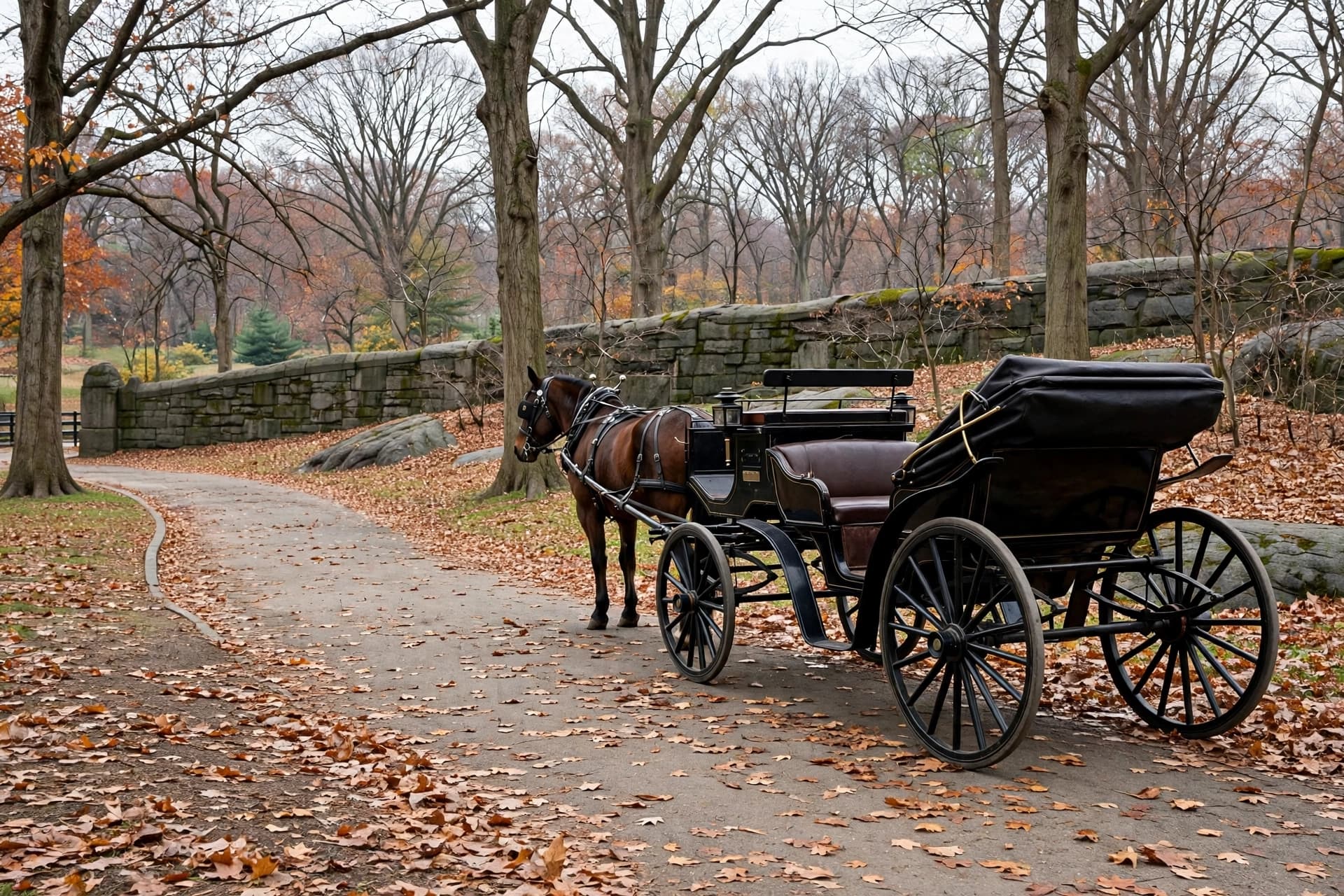
For more than 150 years, the clip-clop of hooves against pavement has been part of Central Park's soundtrack—a sound that tourists sought and animal welfare advocates endured. On Thursday, the New York City Council voted 40 to 7 to end that sound, passing legislation that will phase out horse-drawn carriages by June 1, 2028. The bill, named Romanch's Law, followed the death of an 18-year-old tourist this summer, a tragedy that transformed a long-simmering debate into a legislative deadline .
Romanch Mahajan was thrown from a carriage on June 17 when the horse bolted after the driver stepped away to take a photograph. He died of his injuries. His uncle, Gaurav Mahajan, stood beside lawmakers and animal welfare activists before the vote and said, "The hour of justice has finally arrived" . The family had testified tearfully that they believed the rides were safe. Their grief became the catalyst for a ban that two mayoral administrations had previously attempted and failed to achieve.
The legislation prohibits the issuance or renewal of licenses for carriage horses, carriages, and drivers on or after the effective date. It requires the city to develop a transition plan by April 1, 2027, including job referrals, career counseling, and consideration of compensation for owners and workers. The horses cannot be sold or transferred for slaughter . Mayor Zohran Mamdani, whose office helped craft the bill, has said he will sign it .
For the roughly 150 remaining drivers and the owners who hold medallions that once cost as much as $400,000, the future is uncertain. Alexus Lawson, a 28-year-old driver from Queens, asked what would become of her horses, including a 7-year-old named Starlight. "Without a job, how can I take care of my horses?" she said . Medet Fidan, a former cab driver who turned to carriages after ride-hailing apps upended the taxi industry, described the vote as the city "leaving us a big mess" . The Transport Workers Union Local 100 has vowed to challenge the law in federal court, arguing that it deprives owners of property without due process .
Supporters of the ban framed the decision as a reckoning with decades of concerns that had been allowed to accumulate. Council Speaker Julie Menin cited animal welfare, extreme heat, and the overcrowding of a park that now welcomes more than 42 million visitors annually. "The status quo has become unsustainable and unsafe for horses and people alike," she said . Betsy Smith of the Central Park Conservancy called carriages "a serious—and even fatal—safety risk" .
President Donald Trump, whose Trump Tower stands minutes from the park, opposed the ban. "It was a Great Tradition," he wrote on social media. "Another piece of History that's gone. It will be missed!" . The sentiment was echoed by some New Yorkers who saw the carriages not as cruelty but as a vestige of an older city, a small pleasure that had survived into the modern age.
The ban does not take effect immediately. Two years remain for the city to build the transition program it has promised, for the drivers to seek other work, and for the horses to find homes. The litigation will unfold in the courts. The sound of hooves will continue through the park until it does not. What replaces it—silence, or something else—remains to be seen.
---
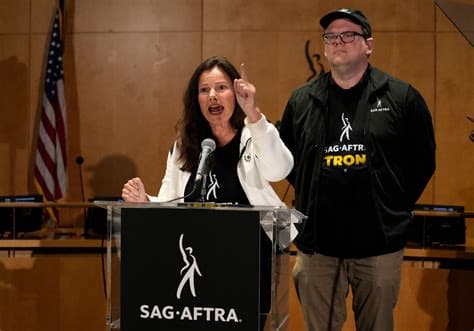
AI Image Disclaimer: The images accompanying this article are AI-generated and intended for illustrative purposes only.
Sources: The New York Times, New York City Council, Associated Press, Courthouse News Service, RNZ
Published by Banx Network. This article is part of the Banx decentralized media programme, powered by the BXE token on the XRP Ledger.