Innovation is often measured through visible breakthroughs: a new device, a useful software platform, or a product that solves a problem more efficiently. Yet behind every launch lies a longer process of research, testing, manufacturing, and finding a market willing to use the result.
Iran’s Pardis Technology Park reported that companies operating within its ecosystem had developed more than 110 new technology products over the preceding year. The announcement was published by Press TV on September 23, 2026, citing park chief executive Mehdi Safarinia.
Pardis Technology Park, located near Tehran, is intended to support technology-oriented businesses and knowledge-based companies. Its ecosystem brings together firms working to translate technical expertise into products and services, providing a setting in which research and commercial activity can develop alongside one another.
The reported total offers a snapshot of product development across that ecosystem. However, the announcement did not provide a complete breakdown of the 110 products by sector, nor did it establish how many had reached large-scale commercial production. A product developed by a company may still need further testing, certification, manufacturing capacity, or customer adoption.
For technology businesses, turning an idea into a usable product involves several distinct challenges. Developers must establish that a product works reliably, understand the needs of potential customers, and determine whether it can be manufactured or delivered at a sustainable cost. Technical achievement is important, but commercial viability depends on more than the invention itself.
Technology parks can help by bringing entrepreneurs, researchers, service providers, and potential business partners into closer contact. Companies may benefit from shared facilities, access to expertise, and opportunities to exchange knowledge. The specific benefits vary according to each organization’s resources and the support available to participating firms.
The announcement also pointed to the difficulties Iranian technology companies face in securing equipment, financing, exporting products, and reaching international markets. Those constraints can affect the speed at which new technologies move from development to commercial use. They may also make it harder for smaller companies to expand production or establish partnerships abroad.
For entrepreneurs, domestic demand can provide an initial market in which to test a product and build experience. But expansion often requires more: reliable supply chains, clear product standards, sufficient funding, and the ability to compete with established alternatives. These factors can determine whether a promising innovation becomes a sustainable business.
The figure of more than 110 products is therefore best understood as a reported measure of development activity rather than proof of commercial success across the entire park. Independent information about product categories, sales, patents, and adoption would help provide a fuller picture of the ecosystem’s performance.
Even with those limitations, the announcement highlights an important part of technological development: the steady work of converting technical knowledge into practical tools. The long-term significance of Pardis Technology Park’s reported output will depend on how many products prove useful, attract customers, and continue developing beyond their initial launch.
### Image Disclaimer
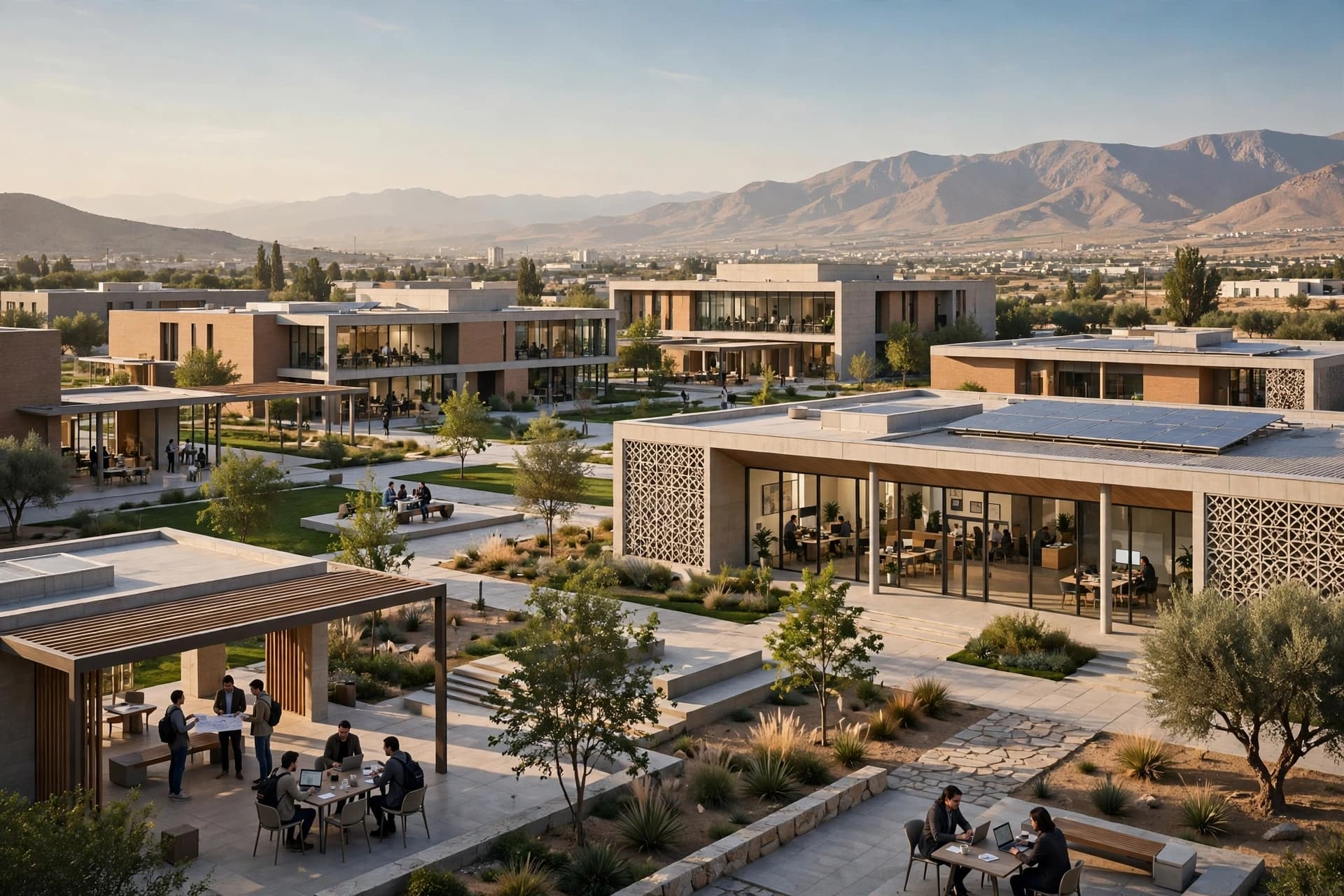
The illustrations are conceptual representations of technology development and entrepreneurship in Iran. They do not depict the specific 110 products mentioned in the announcement or independently verify their commercial status.
### Sources
• Press TV
• Pardis Technology Park
Published by Banx Network. This article is part of the Banx decentralized media programme, powered by the BXE token on the XRP Ledger.