There is a curious alchemy in the way sanctions and commerce sometimes meet, each reshaping the other in ways neither fully controls. When Washington temporarily lifted restrictions on Russian fuel in October, it opened a door that Moscow was already preparing to walk through. The result, visible in the quiet arithmetic of refinery output, is a modest but telling shift in the flow of diesel across the world.
Russian refiners have increased diesel production in October after the government issued export quotas under an agreement between the Kremlin and the Trump administration. Industry sources told Reuters that daily output fell to about 160,000 metric tons in the first half of the month, down from 175,000 tons in September, but began climbing toward 180,000 tons per day once the quotas arrived in mid-October . Domestic consumption typically drops to about 140,000 tons per day in October after the grain harvest and summer driving season end, leaving at least 40,000 tons per day—more than a million tons a month—available for export .
The agreement, announced by President Trump on October 9, called for Russia to ship more than 300,000 metric tons of diesel immediately, followed by 500,000 tons in November and 1 million tons after that. A further 3 million tons would depend on the condition of Russia's refineries . Washington issued a six-month Treasury waiver the same day, temporarily lifting sanctions on Russian fuel to allow the trade .
The first cargo, a Malta-flagged tanker carrying about 40,000 tons of ultra-low sulfur diesel, left Primorsk on October 23 and was due in New York on November 7—four days after the U.S. midterm elections . Kremlin spokesman Dmitry Peskov said shipments to the United States would continue on a regular basis . At least two other tankers carrying Russian diesel have signaled destinations in Turkey and Brazil .
The timing has drawn scrutiny. The waiver goes beyond simple pre-election price relief, and some analysts see it as a first step toward easing sanctions on Russian energy more broadly, potentially pulling Moscow's supplies back toward the West and away from China, which has come to rely on Russia since the Hormuz closure cut off Gulf oil . U.S. diesel prices stood at $6.32 a gallon on October 23, up from $3.63 a year earlier—a spike that the deal is intended to address .
Not everyone is convinced the volumes will matter. Standard Chartered has warned that Russia will struggle to raise diesel output in the near term because Ukrainian drone strikes have damaged its refineries, which will take months to repair. The bank adds that barrels redirected to U.S. buyers come out of supply to Russia's existing customers, meaning the net effect on global markets may be smaller than the headline numbers suggest . Kyiv resumed refinery strikes on October 15 after a three-day pause, putting the October recovery at risk .
Moscow is expected to keep its diesel export ban, which took effect in August, in place and to use quotas to control how much leaves the country, monitoring the domestic market and adjusting production as needed . For Russia, the arrangement offers a partial reopening of markets that sanctions had closed. For Washington, it offers a short-term tool against high fuel prices. Whether it becomes something more enduring is a question that will be answered not in October's production figures but in the months and years of policy that follow.
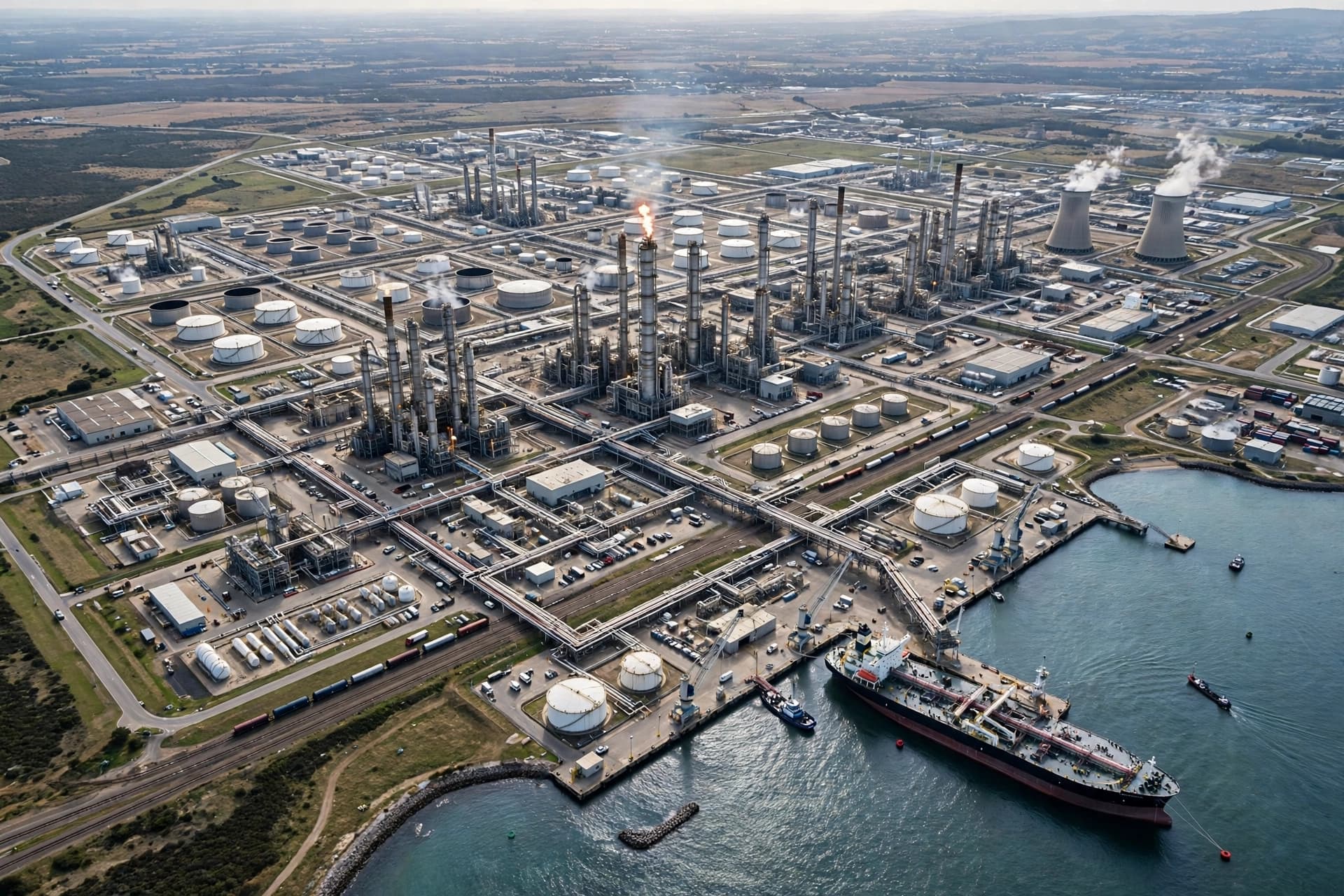
Image note: This article's visual is an AI-generated illustration and does not depict actual refineries or tankers.
Sources: Reuters, OilPrice.com, Ukrinform, Investing.com, The New Voice of Ukraine
Published by Banx Network. This article is part of the Banx decentralized media programme, powered by the BXE token on the XRP Ledger.