
Key Highlights
- Cyclone Vaianu prompts evacuation of over 500 residents in New Zealand.
- Coastal towns like Whakatane face increasing threats from rising sea levels.
- Community resilience shines through during the storm's aftermath.
As Cyclone Vaianu approached New Zealand's coast, a palpable tension filled the air, signaling a moment of reckoning for the towns of Whakatane and its neighboring communities. These coastal areas have long navigated a delicate balance with the Pacific Ocean, a relationship characterized by both the bounty of the sea and the fury of its storms. The impending cyclone forced a mass evacuation, with hundreds seeking refuge on higher ground, a testament to the instinct for preservation in the face of nature's relentless power.
The evacuation of over 500 residents was not just a logistical challenge; it represented a profound disruption to the lives of those who call this coastal paradise home. Leaving behind familiar surroundings, gardens, and memories was a stark acknowledgment of the raw force of nature. The roads leading away from the coast were filled with individuals who have witnessed the relentless rise of the tides over the years. Their departure was marked not by anger but by a deep respect for the elements that have shaped their lives.
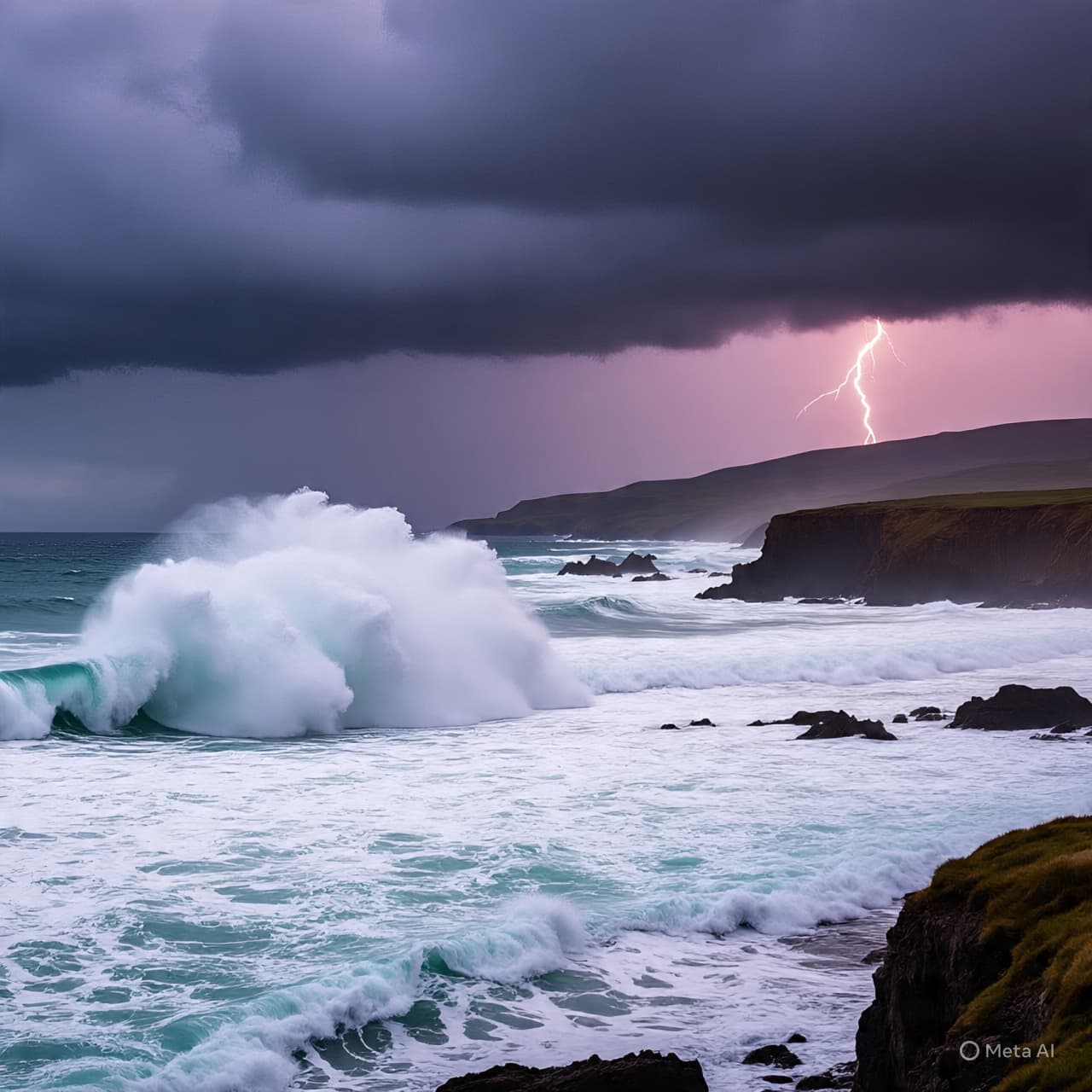
When the storm tides finally arrived, they did not crash with a singular force but rather with a persistent energy that sought out every vulnerability along the coast. The infrastructure—jetties, sea walls, and coastal roads—stood as a fragile line of defense against the encroaching waters. In evacuation centers, conversations shifted from the mechanics of the storm to the shared memories tied to the land. Residents recounted past floods and the familiar scent of salt air before a storm, weaving a rich tapestry of collective experience.
In these moments of displacement, the true character of the community emerged. The cyclone catalyzed a unique human connection, stripping away the trivialities of daily life. As the wind howled outside, the interiors of evacuation centers transformed into sanctuaries of resilience, where shared blankets and stories provided comfort. The light from lanterns illuminated not just the space but also the enduring spirit of the community, reminding everyone that they are guests on this landscape, with the ocean as a formidable host.
Nature has a way of resetting perspectives, forcing a pause in the relentless pace of modern life. As power outages occurred and the sounds of the world faded behind the roar of the gale, residents were reminded of their elemental existence. Preparing for Cyclone Vaianu involved more than just physical barriers; it required mental fortitude against the uncertainty of what the morning might bring. This cycle of preparation and recovery has become a rhythm of life for those who choose to inhabit the shores where land meets sea.
Researchers may analyze shifting atmospheric patterns, but for those watching the surf turn white and angry, the data pales in comparison to the visceral experience of nature's fury. The evacuation was a physical manifestation of a changing world, a necessary step to ensure that life continues even as the landscape transforms. There is a grace in retreat, a recognition that survival and the ability to rebuild is a victory in itself. The land will endure, though its contours may shift after the storm passes.
As the peak tides coincided with the cyclone's center, the drama unfolded in the dark, away from the world's gaze but deeply felt in the hearts of those displaced. Reports of rising water levels are mere statistics compared to the reality of homes becoming part of the bay. Yet, there is a quiet confidence that the community will return, that the mud will be cleared, and the salt washed away. This resilience is the enduring spirit of New Zealand's coastal towns, a refusal to be defined solely by the storms that pass through.
The aftermath of Cyclone Vaianu often reveals a landscape transformed, where familiar sights become strange under the power of water. However, it is also a time of renewal, as the community comes together to assess damage and begin the slow work of restoration. The stories shared in the wake of the cyclone become integral to local identity, a narrative of survival that strengthens bonds among those who stayed and those who left. Looking to the horizon, the community does not gaze with fear but with hope for the next change in the weather.
Published by Banx Network. This article is part of the Banx decentralized media programme, powered by the BXE token on the XRP Ledger.



