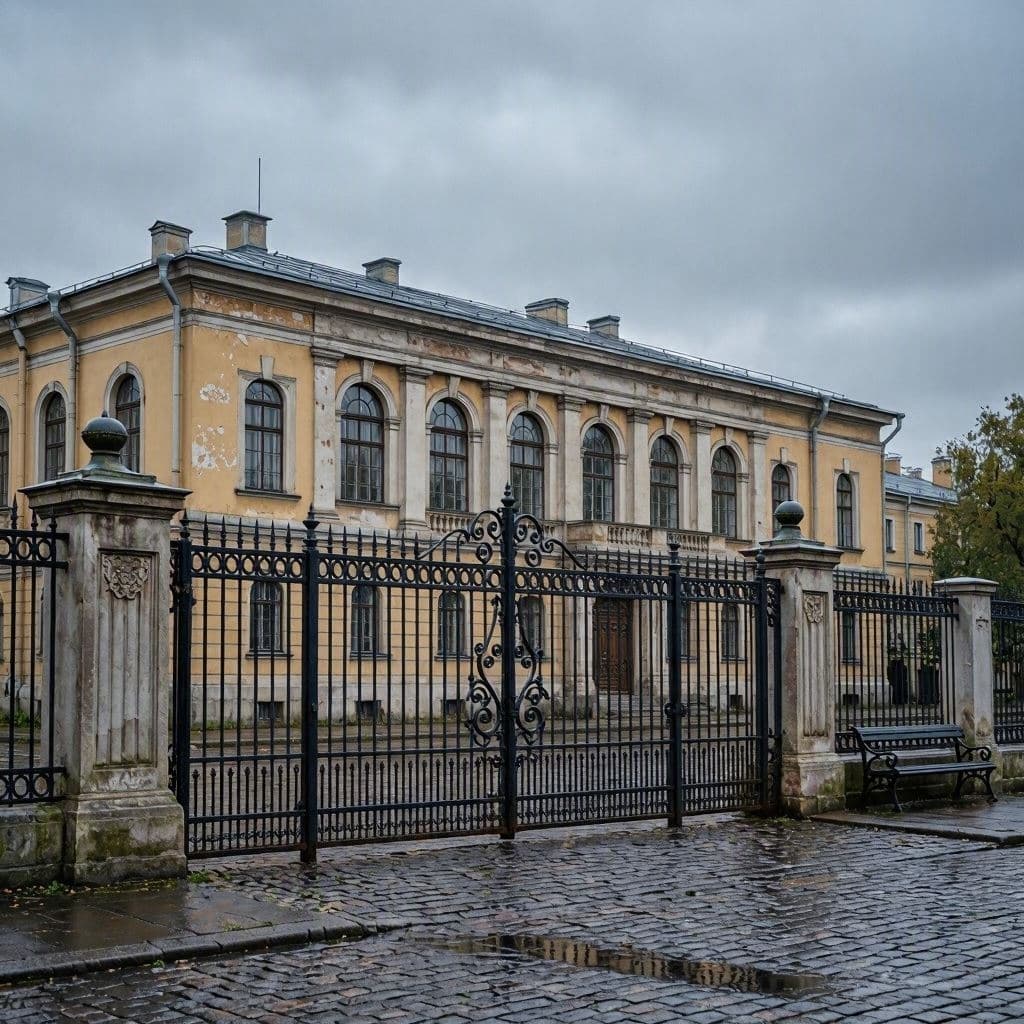
Diplomacy is often described as the art of keeping lines of communication open, even when the winds of political discord blow cold. Yet, there are moments when those lines are deliberately severed, marking a shift from tension to estrangement. The recent announcement by Russia to close the German consulate in St. Petersburg is one such moment, a symbolic gesture that underscores the deepening rift between Moscow and Berlin. It is a move that reflects not just a bureaucratic adjustment, but a broader cooling of relations that has been unfolding for some time, reminding us how fragile international connections can be in times of geopolitical strain.
The decision targets the consular presence in St. Petersburg, a city that has long served as a cultural and historical bridge between Russia and Europe. For decades, this consulate facilitated visa processing, cultural exchanges, and citizen services, acting as a tangible link between the two nations. Its closure means that Germans living in or traveling to this region will face greater logistical hurdles, and the personal ties that bind communities across borders will become harder to maintain. It is a practical consequence with emotional resonance, signaling a retreat from engagement.
This move is widely seen as a reciprocal action, following similar steps taken by Germany and other European nations in response to the ongoing conflict in Ukraine. As sanctions mount and diplomatic rhetoric sharpens, the infrastructure of diplomacy—embassies, consulates, and cultural centers—becomes collateral damage. Each closure reduces the capacity for dialogue, making it more difficult to resolve misunderstandings or negotiate de-escalation. The shutting of doors is a physical manifestation of a political impasse.
St. Petersburg holds a special place in the Russian imagination, often viewed as the window to the West. Closing a consulate there sends a potent message about Russia’s current orientation. It suggests a turning inward, a prioritization of sovereignty and security over international cooperation. For historians and observers, this echoes previous eras of isolation, raising questions about the long-term implications for Russia’s place in the global community. It is a step away from the integration that characterized the post-Cold War period.
For the staff and local employees of the consulate, the closure brings uncertainty and disruption. Years of work building relationships and facilitating cross-border interactions are brought to an abrupt halt. The human cost of diplomatic spats is often overlooked in high-level analysis, yet it is real and significant. These individuals serve as the quiet engines of international understanding, and their displacement represents a loss of institutional knowledge and personal connection.
The reaction from Berlin has been one of regret but not surprise. German officials have emphasized their commitment to protecting their citizens and maintaining necessary channels of communication through other means. However, the reduction in consular services limits their ability to provide support on the ground. This situation highlights the challenges faced by democracies in balancing principled stands against authoritarian actions with the practical needs of their citizens abroad.
As the closure takes effect, the focus shifts to how both nations will manage the remaining aspects of their relationship. Trade, energy, and security issues remain unresolved, and the lack of direct consular contact may complicate efforts to address them. The absence of a diplomatic presence in St. Petersburg creates a vacuum that may be filled by misinformation or mistrust. Maintaining clarity in such an environment requires extra effort and vigilance from both sides.
Ultimately, the closing of the consulate is a symptom of a larger disease in international relations. It reminds us that diplomacy is not just about treaties and summits, but about the everyday interactions that build trust. When these interactions are curtailed, the path to reconciliation becomes longer and more difficult. The hope remains that future generations will find ways to rebuild these bridges, but for now, the gap widens.
The closure of the German consulate in St. Petersburg marks a significant downturn in Russo-German relations. It serves as a reminder of the costs of diplomatic fragmentation. Let us hope for a future where dialogue can once again flourish.
AI Image Disclaimer: Please note that any visual representations in this article are AI-generated illustrations created for conceptual clarity.
Sources: Reuters Deutsche Welle The Moscow Times
Published by Banx Network. This article is part of the Banx decentralized media programme, powered by the BXE token on the XRP Ledger.