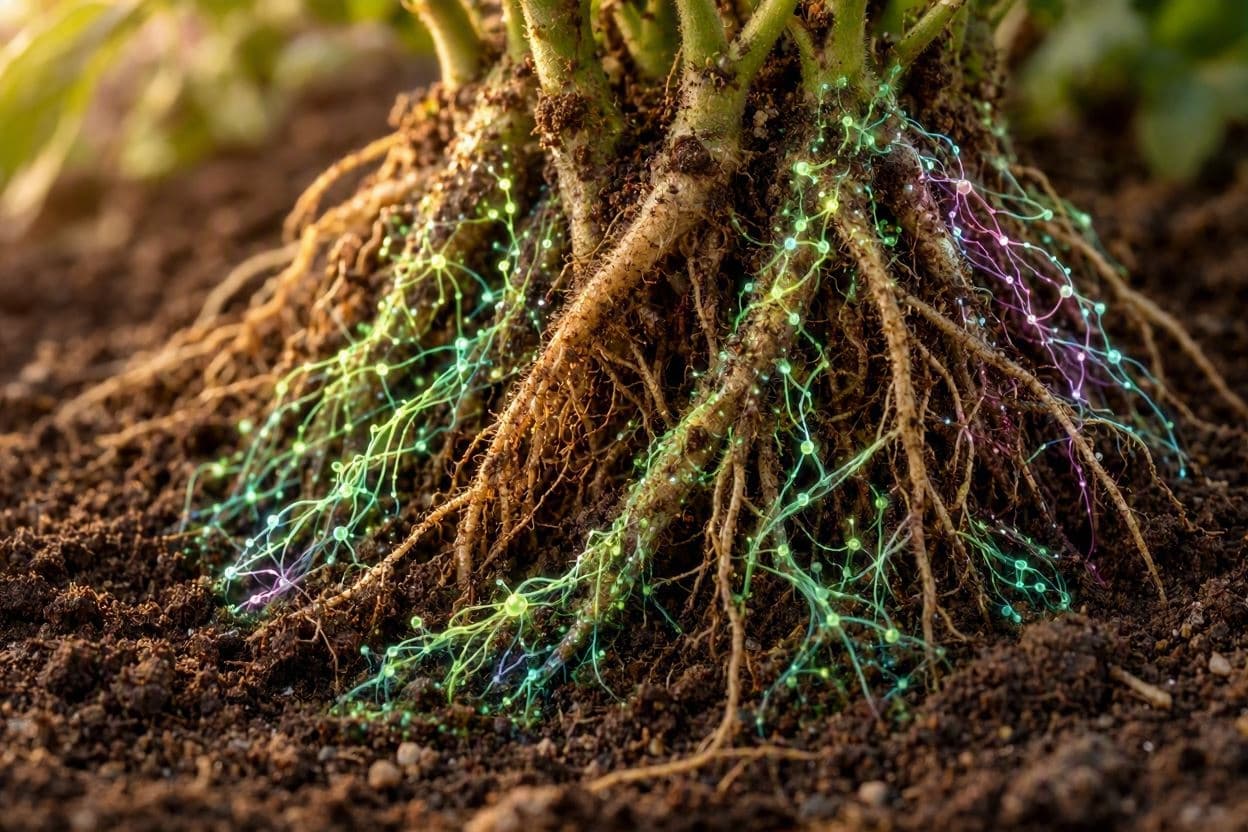
Beneath the soil, a silent and bustling world thrives, invisible to the eye yet fundamental to life above ground. For generations, gardeners have tended to their tomatoes with care, relying on sun, water, and nutrients to coax forth red, juicy fruit. Yet, recent scientific insights reveal that the key to robust growth may lie not just in what we add to the soil, but in who lives within it. Microbes, the tiny bacterial and fungal inhabitants of the earth, form intricate partnerships with plant roots, offering a natural pathway to healthier crops. This discovery invites us to reflect on the hidden collaborations in nature and the potential for agriculture to work in harmony with these microscopic allies.
The relationship between plants and soil microbes is a ancient symbiosis, where both parties benefit from the exchange. Plants release sugars and other compounds through their roots, feeding a diverse community of bacteria and fungi. In return, these microbes help unlock essential nutrients like nitrogen and phosphorus, making them more accessible to the plant. For tomato growers, understanding this dynamic can lead to more sustainable and productive gardening practices, reducing the need for synthetic fertilizers.
Recent studies have focused on specific strains of beneficial bacteria, such as those in the genus Pseudomonas and Bacillus, which promote plant growth. These microbes can enhance root development, improve water uptake, and even protect plants from certain diseases. By inoculating soil or seeds with these beneficial organisms, gardeners can create a more resilient environment for their tomato plants. This biological approach mimics natural ecosystems, where diversity and cooperation drive health.
The application of microbial treatments is not a one-size-fits-all solution. Soil type, climate, and existing microbial communities all influence the effectiveness of these interventions. Researchers emphasize the importance of context, suggesting that local adaptations may be necessary for optimal results. This nuance encourages a more thoughtful approach to gardening, one that observes and responds to the specific needs of the land.
Beyond individual gardens, the broader implications for agriculture are significant. Large-scale farming often depletes soil health, leading to a reliance on chemical inputs. Integrating microbial solutions can help restore soil vitality, promoting long-term sustainability. It represents a shift from viewing soil as a mere medium to recognizing it as a living, dynamic system that requires care and balance.
For home gardeners, the process can be as simple as using compost teas or commercially available microbial inoculants. These products introduce beneficial organisms into the soil, jumpstarting the natural processes that support plant health. The result is often a noticeable improvement in plant vigor, yield, and flavor. It is a reminder that sometimes, the best tools are the ones nature has already provided.
The scientific community continues to explore the complex interactions within the soil microbiome. New discoveries are constantly emerging, revealing the depth of these relationships. As we learn more, we gain the ability to harness these natural processes more effectively, creating a future where agriculture is both productive and ecologically sound.
Ultimately, optimizing tomato growth with microbes is about respect for the intricate web of life. It acknowledges that plants do not grow in isolation but are part of a larger community. By nurturing this community, we nurture our food, our soil, and our connection to the natural world.
The use of microbes to enhance tomato growth offers a sustainable and natural approach to gardening. It highlights the importance of soil health and biological diversity. Let us cultivate our gardens with an appreciation for the unseen helpers beneath our feet.
AI Image Disclaimer: Please note that any visual representations in this article are AI-generated illustrations created for conceptual clarity.
Sources: Frontiers in Microbiology Nature Sustainability Royal Society of Biology
Published by Banx Network. This article is part of the Banx decentralized media programme, powered by the BXE token on the XRP Ledger.