
Key Highlights
- The Greek milk bar served as a cultural bridge for immigrants, blending traditions.
- These establishments were vital community hubs, fostering connections.
- The decline of milk bars reflects broader societal changes in urban life.
The scent of nostalgia wafts through the air when one recalls the milk bars of yesteryear—a unique blend of malt, cold linoleum, and the sweet promise of a leisurely Sunday afternoon. For decades, these corner sanctuaries served as the unofficial town squares of neighborhoods, characterized by the hum of refrigerators and the vibrant glow of neon signs. They were not merely businesses; they were the first footholds for communities eager to weave their stories into the fabric of a new land.
The Greek milk bar stands as an architectural manifestation of the immigrant dream, where Mediterranean traditions met the aspirations of new beginnings. Behind the counter, families engaged in a seamless choreography, serving milkshakes and dreams alike. This labor of love transcended language barriers, creating a universal language of hospitality that transformed simple transactions into moments of connection.
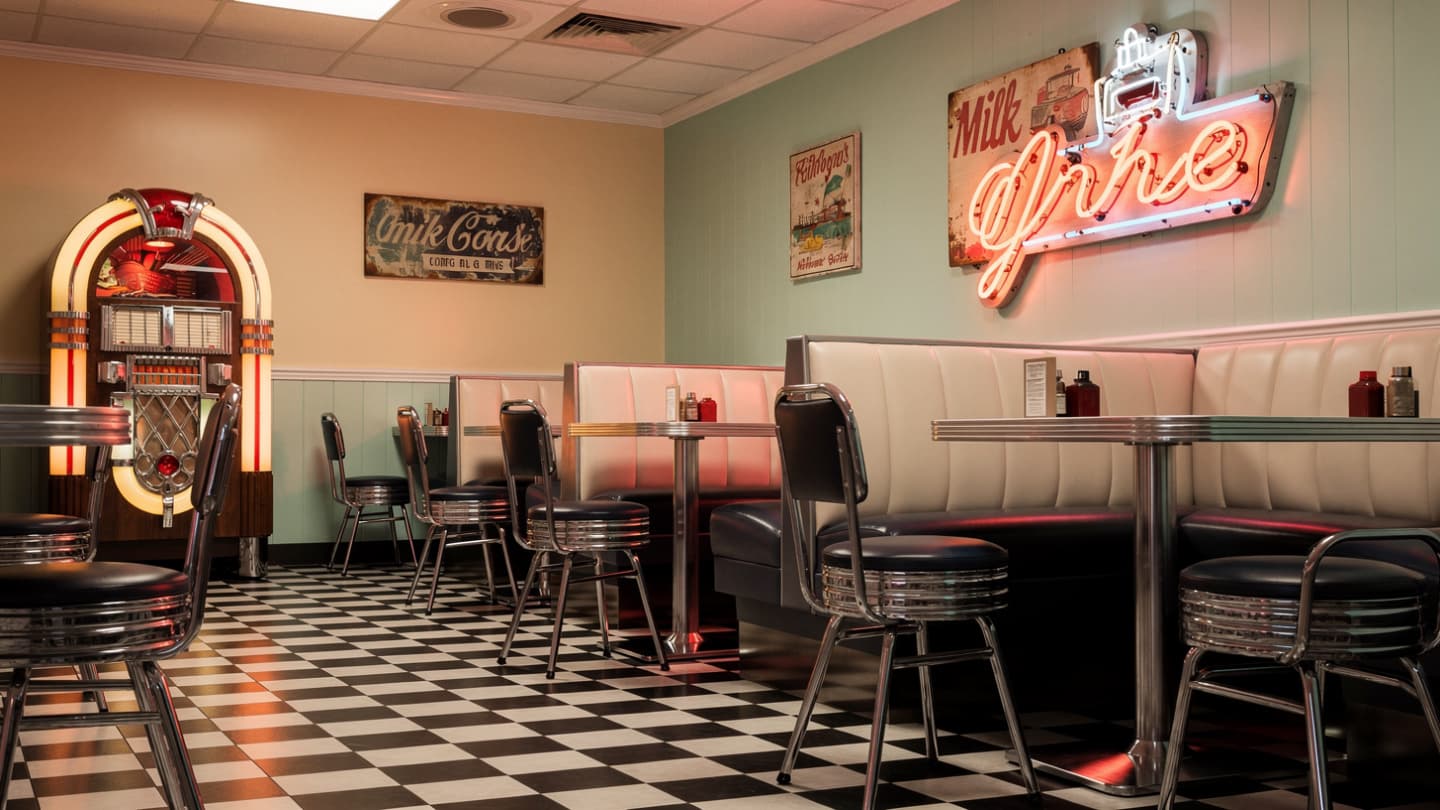
Walking into one of these shops today, or discovering the remnants of where one once thrived, is akin to engaging with a living history. The chrome stools and laminex tables serve as artifacts from an era when life felt a bit slower and the world a little smaller. They remind us that a place's identity is not solely defined by its monuments but also by the small, everyday spaces where people gather to share stories and cold drinks.
As time has passed, the neon lights have dimmed in many of these establishments, giving way to the sterile efficiency of modern convenience stores. This slow erosion of the local milk bar reflects a changing world—one that prioritizes speed over conversation and scale over soul. Yet, the influence of these shops remains deeply etched into the culinary and social landscape of the cities they helped to shape.
It is easy to overlook the fact that the Greek milk bar was a radical innovation in its time, serving as a bridge between cultures that facilitated quiet, steady integration. These establishments provided newcomers with a sense of belonging while offering locals a taste of wonder. Within these walls, the edges of different worlds began to soften, blending together like the flavors in a high-walled glass of soda.
The stories of those who ran these bars are tales of endurance and adaptation. They worked through the sweltering heat of summer and the biting chill of winter, their presence a constant in a world that was ever-changing. They witnessed generations grow up, from children clutching coins for candy to parents stopping in for a brief chat after a long day’s work. Their legacy is one of service, a reminder that even the smallest shop can cast the longest shadow.
There exists a poignant melancholy in the preservation of these spaces, a desire to hold onto the tangible pieces of our collective memory. Even as menus evolve and owners retire, the spirit of the milk bar persists in our quest for community in modern corners. We continue to seek that same sense of welcome, that fleeting escape from the rush of the outside world.
Ultimately, the story of the milk bar is about how we make a place our own. It embodies the courage to cross oceans and the creativity to build something new from the remnants of the old. It serves as a testament to the idea that wherever people gather to share simple pleasures, a home is being created.
The cultural history of the Greek milk bar is receiving renewed attention as historians document their profound impact on international dining habits and immigrant integration. Research highlights how these family-run businesses served as vital social hubs, bridging the gap between diverse communities through shared culinary experiences. While many original locations have closed, their influence continues to shape the modern aesthetic of urban cafes and community spaces.
Published by Banx Network. This article is part of the Banx decentralized media programme, powered by the BXE token on the XRP Ledger.



