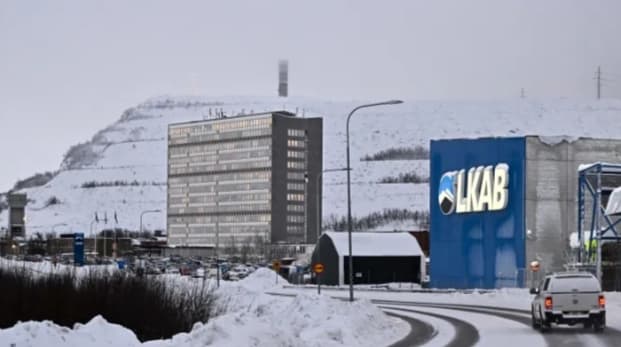
In a remarkable and unprecedented move, authorities in a Swedish city are relocating the entire community to facilitate the extraction of critical minerals amid Europe’s aggressive push for sustainable energy solutions. This initiative arises from the escalating demand for essential minerals such as lithium, cobalt, and rare earth elements, required for batteries and other technologies crucial to the green energy transition.
The city, originally established in a mineral-rich area, is undergoing a carefully orchestrated process where buildings and infrastructures are being dismantled and reconstructed in a nearby location. Local officials have emphasized that this relocation is crucial for enabling mining operations that support Europe’s environmental goals, such as reducing carbon emissions and fostering renewable energy sources.
Residents have expressed mixed feelings about the relocation, with many acknowledging the necessity of mineral extraction for climate initiatives but also mourning the loss of their historical homes and community. “It’s a bittersweet moment for us,” remarked one long-time resident. “We understand the importance of these minerals for our future, but it’s difficult to leave behind what we’ve known for so long.”
The government is closely involved in this transition, offering support to affected residents and businesses as they adapt to their new environment. Environmental assessments and sustainability measures are also being prioritized in the new location to ensure that the relocation aligns with ecological standards.
This endeavor highlights the complexities of balancing environmental progress with community impact. As Europe pushes ahead in securing its mineral supply for a sustainable future, this unique scenario in Sweden could serve as a case study for other regions facing similar decisions. The outcomes will likely influence discussions around resource management, community rights, and the responsibilities associated with the green transition, emphasizing the need for careful consideration of the human and environmental costs involved.
Published by Banx Network. This article is part of the Banx decentralized media programme, powered by the BXE token on the XRP Ledger.