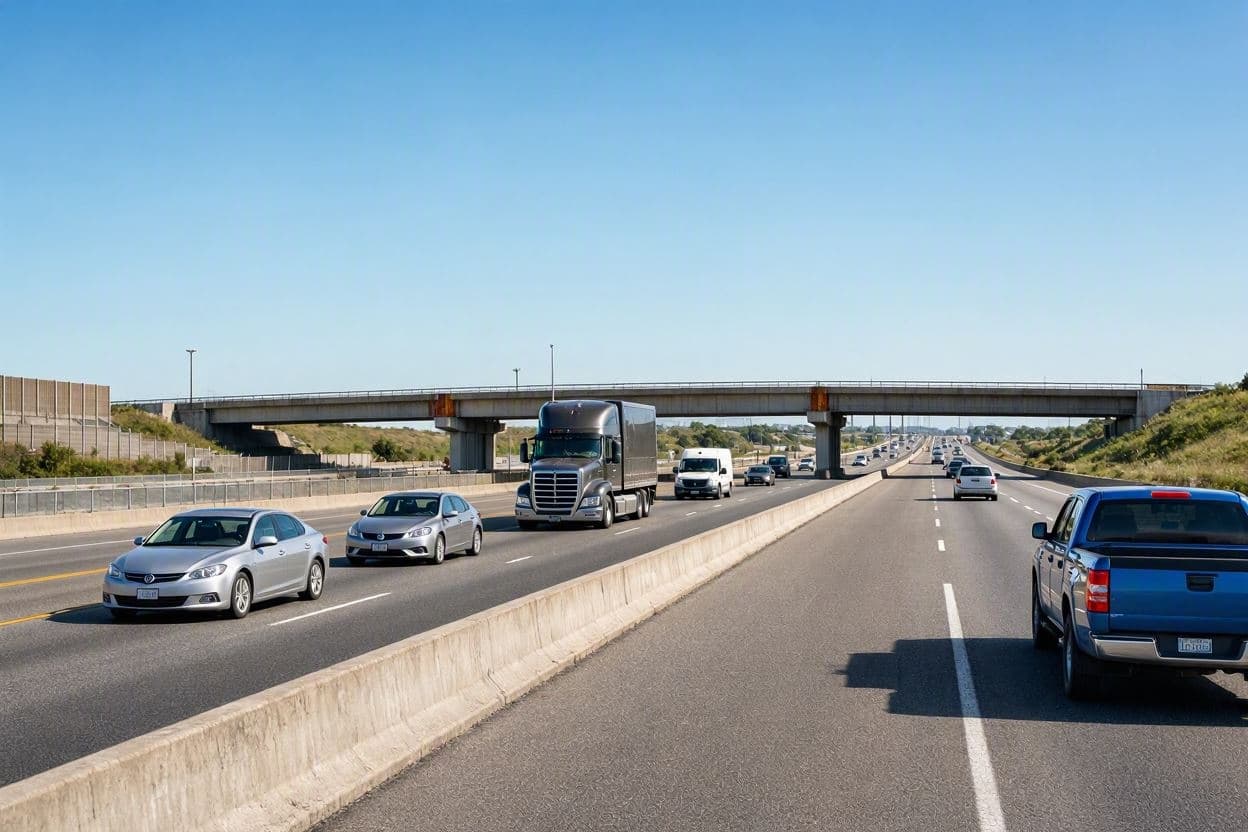
In the bustling corridors of Portland, Oregon, where highways serve as vital arteries for commerce and commute, a major construction project has begun. The I-5 Rose Quarter Improvement Project, aimed at enhancing safety and reconnecting neighborhoods, started its first major phase with a full closure of southbound lanes. Yet, contrary to expectations of gridlock, traffic has remained largely manageable. This outcome is a testament to careful planning, public cooperation, and the resilience of the city’s transportation network.
The closure, which began on September 11, 2026, affects the section of I-5 between I-405 and I-84. For up to five weeks, drivers have been redirected to alternate routes, including local streets and parallel highways. Transportation officials had warned of significant delays, urging commuters to adjust their schedules and explore other modes of travel. However, the anticipated chaos has been muted, suggesting that many residents heeded the advice and adapted their routines.
Public transit agencies, such as TriMet and C-TRAN, reported increased ridership as people opted for buses and light rail to avoid the uncertainty of driving. This shift highlights the importance of robust public transportation options in mitigating the impact of infrastructure work. It also reflects a growing willingness among citizens to embrace sustainable travel methods when circumstances require it. The success of this transition offers valuable lessons for future projects.
Local businesses in the affected areas have also played a role in maintaining flow. By adjusting delivery times and encouraging remote work where possible, they have reduced the number of vehicles on the road during peak hours. Community engagement has been key, with residents staying informed through regular updates and traffic apps. This collective effort demonstrates the power of communication and collaboration in managing urban challenges.
The project itself is ambitious, aiming to cover a portion of the highway to create new community space and improve seismic safety. While the short-term inconvenience is real, the long-term benefits promise a more connected and safer city. The current smooth traffic conditions suggest that the disruption may be less severe than feared, providing a window of opportunity for the city to showcase its adaptability.
For drivers who must use the corridor, patience remains essential. Although traffic is moving, unexpected incidents can still cause delays. Authorities continue to monitor the situation closely, ready to adjust signal timings and provide real-time information. This proactive approach helps to maintain confidence in the system and ensures that any issues are addressed promptly.
As the weeks progress, the focus will shift to the next phases of construction. Each stage brings its own set of challenges, but the initial success provides a positive foundation. It shows that with proper preparation and public support, even major infrastructure changes can be managed effectively. The city’s ability to absorb this shock is a sign of its maturity and resilience.
In the end, the start of the I-5 Rose Quarter project has been smoother than anticipated. It reminds us that change, while often daunting, can be navigated with care and cooperation. As Portland moves forward with this transformative work, let us continue to support one another, ensuring that the journey is as safe and efficient as possible. May the improved infrastructure serve the community well for generations to come.
Note: Images used in this piece are AI-generated representations of urban infrastructure and traffic management, designed to be neutral and informative.
Sources: Oregon Department of Transportation (ODOT), KGW News, City of Vancouver WA, I-5 Rose Quarter Project Website
Published by Banx Network. This article is part of the Banx decentralized media programme, powered by the BXE token on the XRP Ledger.