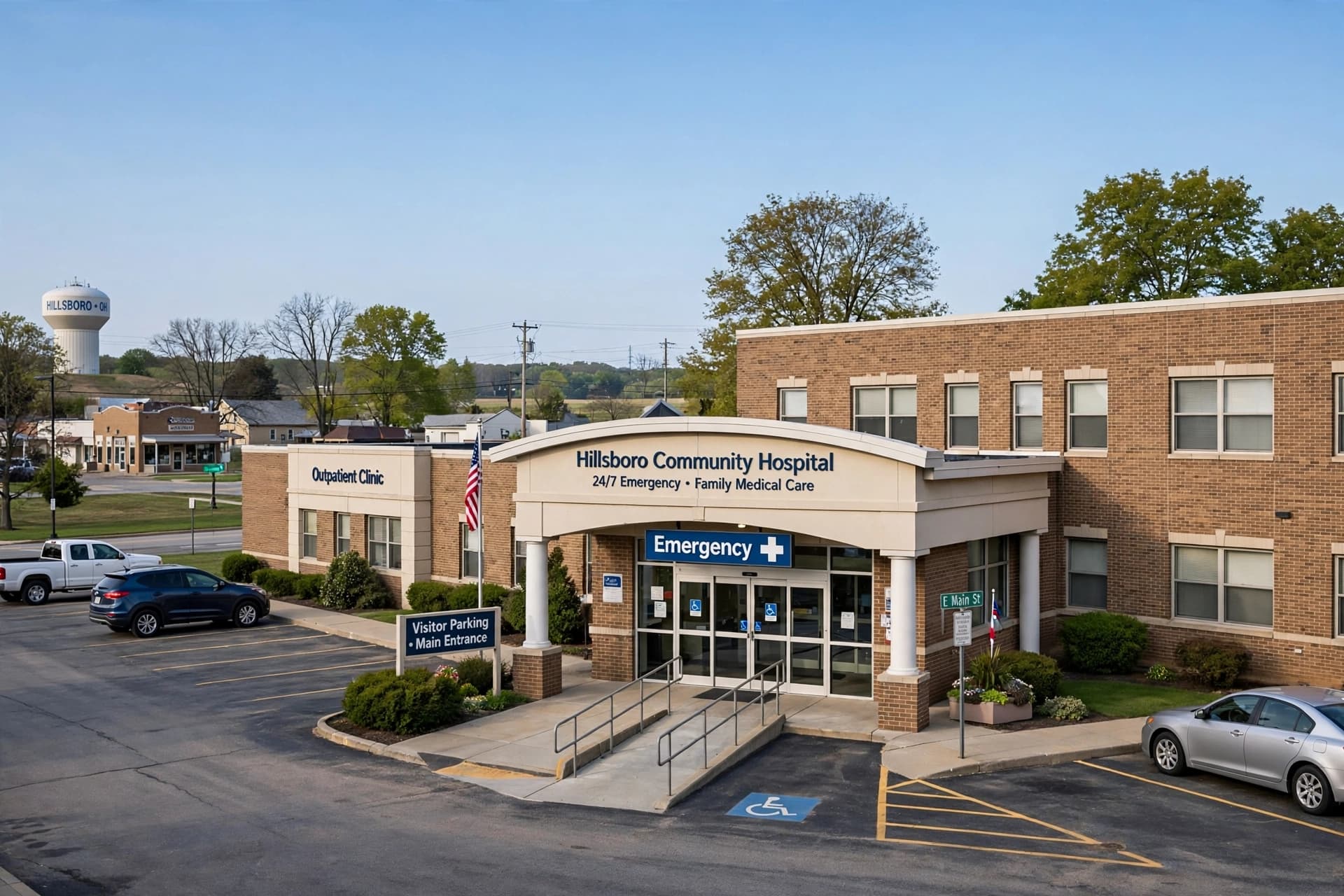
There are mistakes that can be apologized for and mistakes that cannot be undone. In September 2025, Sharon Jacks, a 74-year-old Army veteran, entered Selby General Hospital in Marietta, Ohio, for a surgery to amputate her right leg. The procedure was part of a treatment plan for squamous cell carcinoma, a type of skin cancer. When she woke, her left leg was gone. Four months later, she underwent the originally intended amputation, making her a double amputee .
Jacks filed a lawsuit this month in Washington County Common Pleas Court, naming nine defendants including the hospital and her medical and surgical teams. The suit accuses them of gross negligence, battery, and reckless conduct. "Defendants acted willfully, wantonly, recklessly, maliciously, and with conscious disregard for the substantial certainty of catastrophic injury," the lawsuit states .
Her attorney, Brad Layne, said the surgical team marked the correct leg before the procedure but then amputated the wrong one. They realized the error during the surgery and told Jacks' family before she woke up. "The mark was still on the correct leg after the wrong leg had been taken off," Layne said .
The hospital called the incident an "avoidable event." In a statement, it said it retrained all of its surgical staff after the surgery and that staffers involved in Jacks' operation "are no longer in their positions" . Dr. Gregory Krivchenia II, who performed the surgery and is listed as a defendant, is still licensed to practice in Ohio, according to online records. A receptionist at a clinic where he previously worked said he is retired .
Jacks' life has changed in ways that are difficult to quantify. Layne said the wrong-site amputation has affected everything from her ability to get dressed to her ability to cook for herself. "I would be wrong if I said things were great, of course. They're taking it, day by day, her and her husband, just trying to get through life," he said .
Jacks has been cancer-free since the correct operation was performed . The lawsuit seeks damages for physical injury, permanent disability, pain and suffering, emotional distress, humiliation, loss of enjoyment of life, and medical expenses. For a veteran who served her country and then faced a cancer diagnosis, the wrong-site amputation represents a harm that no retraining or apology can fully address.
AI Image Disclaimer: The accompanying images in this report were created with artificial intelligence and are intended for conceptual representation only.
Sources: NBC News, Times of India, Flipboard
Published by Banx Network. This article is part of the Banx decentralized media programme, powered by the BXE token on the XRP Ledger.