Earthquakes rarely announce themselves. They slip into a morning like an unwelcome gust, turning routine moments into scenes of confusion. In Bangladesh, a magnitude 5.5 quake reminded the country how quickly the familiar can fracture, leaving at least five people dead and many others searching for bearings in the sudden stillness that followed.
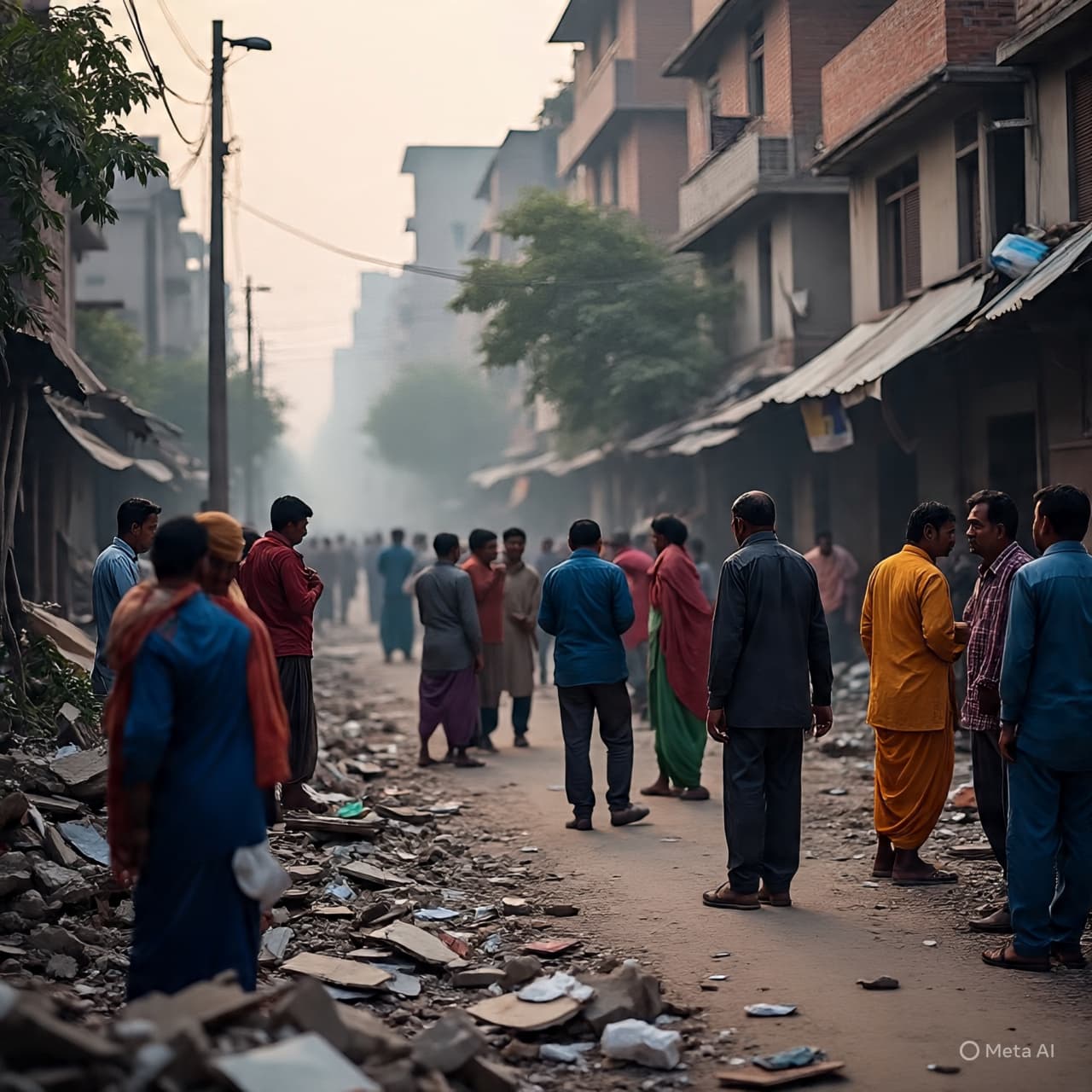
The tremor, felt across several districts, struck with a force that was modest by global seismic standards yet devastating in a nation where density, aging infrastructure, and proximity amplify every movement beneath the surface. Reports from emergency officials describe a wave of panic as buildings rattled and residents rushed into streets, carrying the instinctive fear that the shaking could intensify.
For those who lost loved ones, the earthquake felt less like a geological event and more like a moment stolen—an ordinary day split in two by a few unforgiving seconds. Several victims were struck by falling debris, and others collapsed while fleeing buildings, reflecting a pattern seen in many moderate quakes across the region: even when structures stay standing, fear itself can be deadly.
Authorities have begun surveying buildings for structural damage, particularly in older neighborhoods where narrow alleyways and unreinforced housing leave communities more vulnerable. Hospitals, already stretched by seasonal illnesses, have taken in dozens of injured people with fractures and trauma-related injuries. Search and rescue teams continue working through pockets of debris, though the worst of the collapse appears localized rather than widespread.
Bangladesh sits in a complex seismic zone, a crossroads of shifting plates that periodically remind the nation of its geological risks. Over the years, urban planners and engineers have advocated for stronger building standards, aware that even mid-range quakes can turn deadly in bustling cities where vertical expansion often outpaces regulation. This latest disaster adds urgency to those calls, highlighting how preparedness must evolve as urbanization accelerates.
Yet amid the damage, the response has been swift. Emergency crews were deployed within minutes, local authorities issued safety advisories, and community volunteers helped guide residents to safe open spaces. The country’s disaster management agencies—experienced from years of confronting cyclones and floods—shifted seamlessly into earthquake response mode, demonstrating a resilience woven into Bangladesh’s identity.
Still, the mood is somber. An earthquake is unlike a storm; it leaves no clouds to warn of its arrival. What remains now is a familiar blend of mourning and reflection, as the nation tallies the loss and considers once more how to strengthen its defenses against a threat that strikes without rhythm or season.
Published by Banx Network. This article is part of the Banx decentralized media programme, powered by the BXE token on the XRP Ledger.