
Banx Media Platform logo
BUSINESS

A Sudden Halt Beneath the Channel: Eurostar’s Network Grinds to a Standstill

A power failure forced Eurostar to halt services and urge passengers to cancel travel, disrupting cross-Channel journeys and exposing the fragility of Europe’s rail network.

Y

Yoshua Jiminy

EXPERIENCED
5 min read
8 Views
Credibility Score: 94/100
A Sudden Halt Beneath the Channel: Eurostar’s Network Grinds to a Standstill

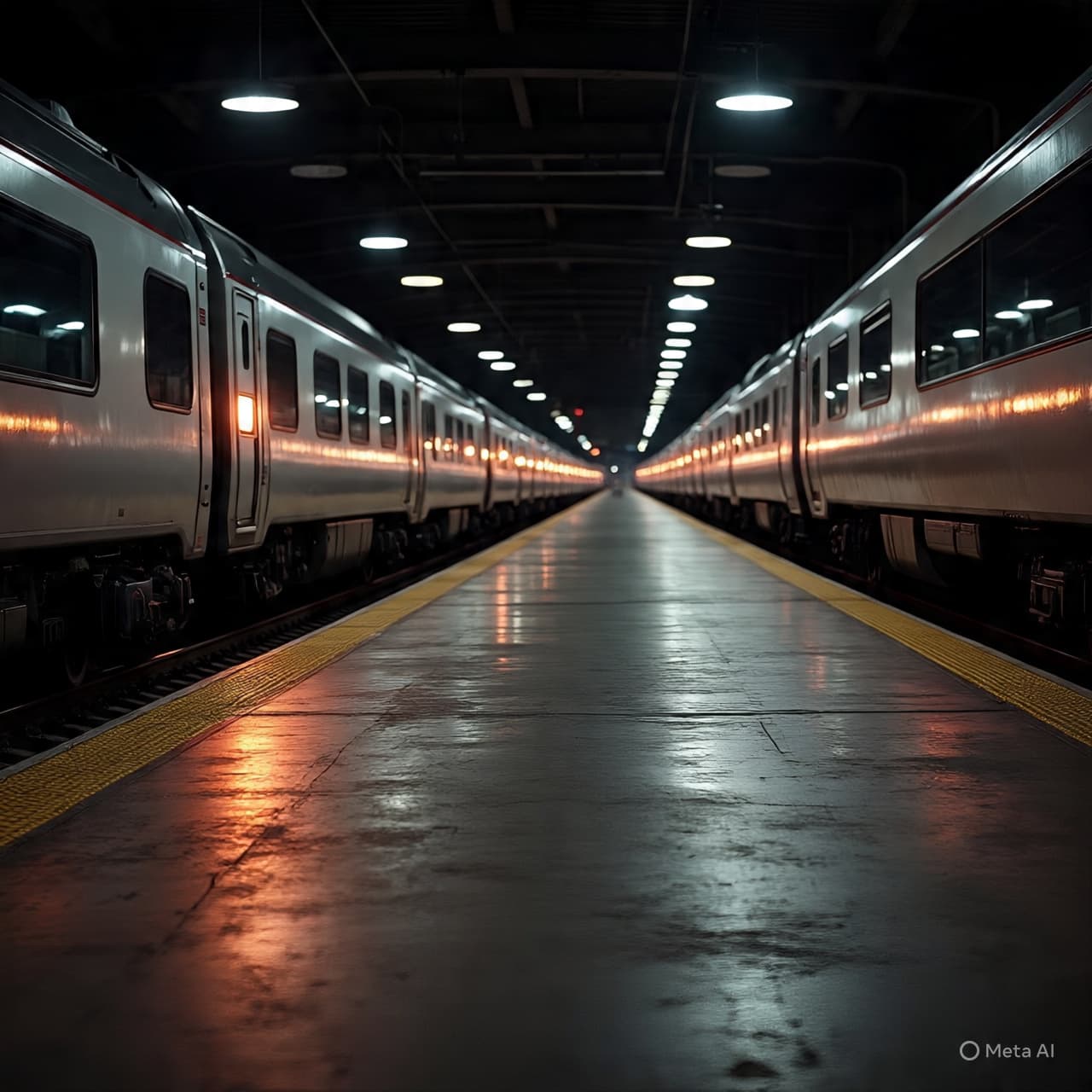
For thousands of travelers expecting to cross between Britain and continental Europe, the journey came to an abrupt halt. Eurostar, the high-speed rail service linking the UK with France and Belgium, urged passengers to cancel or postpone their trips after a major power failure disrupted operations across its network.

The outage, which affected infrastructure on the European side of the Channel, brought train movements to a standstill and forced widespread cancellations. Stations that normally pulse with steady movement instead filled with uncertainty, as travelers searched for information and alternatives amid limited service updates.

Eurostar confirmed that the disruption was caused by an external power supply failure, not by issues with the trains themselves. Engineers were deployed to assess and restore systems, but the complexity of the network meant recovery would take time. In the interim, passengers were advised not to travel unless absolutely necessary, a rare but telling request for one of Europe’s most reliable rail operators.

The incident underscored the vulnerability of cross-border infrastructure, where a single failure can ripple across multiple countries. For many travelers, the disruption meant missed connections, cancelled holidays, and reshuffled plans. For the wider transport network, it served as a reminder of how interdependent modern mobility has become.

Eurostar emphasized that safety remained its priority and that compensation and rebooking options would be offered. Still, frustration spread quickly as travelers weighed uncertainty against the lack of immediate alternatives, especially during a busy travel period.

As power was gradually restored and services cautiously resumed, the episode left behind more than delays. It highlighted how even the most advanced transport systems rely on fragile links — and how swiftly those links can bring an international network to a standstill.

Published by Banx Network. This article is part of the Banx decentralized media programme, powered by the BXE token on the XRP Ledger.


Decentralized Media

Powered by the XRP Ledger & BXE Token

This article is part of the XRP Ledger decentralized media ecosystem. Become an author, publish original content, and earn rewards through the BXE token.

Newsletter

Stay ahead of the news — and win free BXE every week

Subscribe for the latest news headlines and get automatically entered into our weekly BXE token giveaway.

No spam. Unsubscribe anytime.

Share this story

Help others stay informed about crypto news

Related articles

Keep exploring the latest stories.

View more
When Indonesia Looks Toward New Investment, Data Centers Rise Alongside Factories Beneath a Changing Asian Economic Horizon

When Indonesia Looks Toward New Investment, Data Centers Rise Alongside Factories Beneath a Changing Asian Economic Horizon

Indonesia is attracting more Chinese and Hong Kong investment as companies diversify supply chains and expand manufacturing and data-center projects.

When American Factories Awaken Beneath Summer Skies, New Orders Carry a Quiet Signal Across the Industrial Landscape

When American Factories Awaken Beneath Summer Skies, New Orders Carry a Quiet Signal Across the Industrial Landscape

U.S. manufacturing activity strengthened in August as new orders and production improved, although employment remained under pressure. (reuters.com)

When Japanese Companies Look Toward the Future, Artificial Intelligence Still Waits Beyond the Office Door

When Japanese Companies Look Toward the Future, Artificial Intelligence Still Waits Beyond the Office Door

A Reuters survey found that more than 80% of Japanese companies have yet to fully deploy AI, highlighting a cautious corporate transition.

