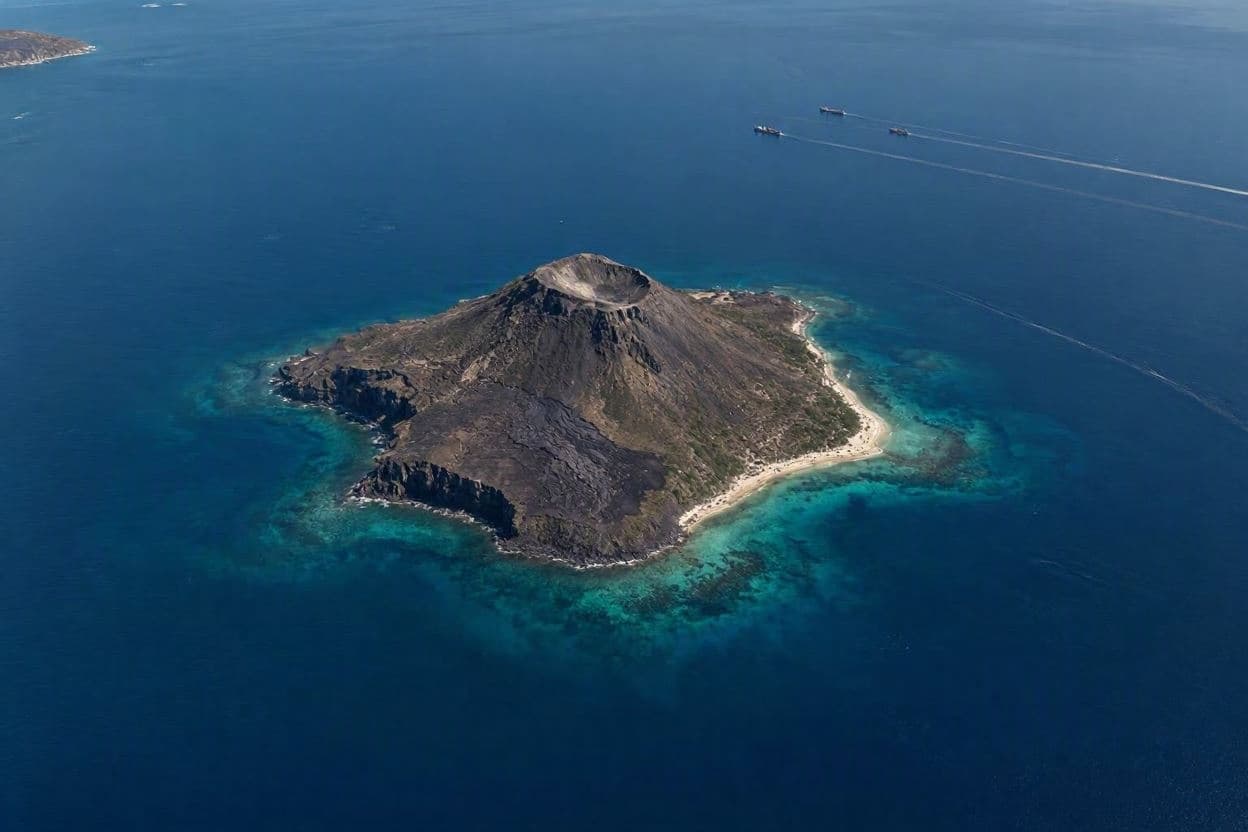
In the intricate tapestry of geopolitical strategy, control over narrow waterways often dictates the flow of global commerce and power. The recent seizure of Mayun Island by Iran-backed Houthi rebels in Yemen marks a significant shift in the balance of influence at the southern entrance to the Red Sea. This volcanic outcrop, though small in size, holds immense strategic value, serving as a potential chokepoint for maritime traffic and a symbol of expanding regional authority.
Mayun Island, also known as Perim Island, sits within the Bab al-Mandeb Strait, a critical corridor for oil shipments and international trade. Its capture follows the withdrawal of forces aligned with the internationally recognized government, leaving a vacuum that the Houthis swiftly filled. For the rebels, this move is not merely territorial but tactical, offering a vantage point to monitor and potentially disrupt shipping lanes that connect Europe, Asia, and the Middle East.
The implications of this development extend far beyond Yemen’s borders. By securing a foothold in such a vital location, the Houthis enhance their ability to project power and leverage their position in ongoing negotiations. Analysts suggest that this gain could bolster Iran’s broader strategy of increasing pressure on Western interests and raising the costs of global energy transport. The island’s acquisition thus becomes a piece in a larger puzzle of regional rivalry and diplomatic maneuvering.
However, holding territory is often more challenging than capturing it. The Houthis now face the logistical and military complexities of maintaining control over an isolated outpost. Supply lines must be secured, defenses fortified, and potential counterattacks anticipated. The international community, particularly nations with significant naval presence in the region, is closely watching how this situation evolves, weighing the risks of escalation against the need to ensure freedom of navigation.
Local residents and regional stakeholders express concern about the stability of the area. The presence of armed groups in such a sensitive location raises fears of increased conflict and humanitarian disruption. For communities dependent on maritime trade, the uncertainty surrounding the strait’s security poses economic threats that ripple through local markets. The hope for peace remains fragile, contingent on the actions of various actors with competing interests.
Diplomatic efforts to de-escalate tensions have so far yielded limited results. International mediators continue to call for restraint and dialogue, emphasizing the importance of preserving the strait as a neutral passage for global commerce. Yet, the hardening of positions on both sides suggests that a resolution may require more than just words. It demands a nuanced understanding of the historical grievances and strategic ambitions that drive the conflict.
As the world observes this new chapter in Yemen’s long-standing crisis, the question of whether the Houthis can hold Mayun Island remains open. Their ability to do so will depend on military resilience, external support, and the response of regional powers. In the meantime, the island stands as a testament to the enduring complexity of modern warfare, where geography and politics intertwine in ways that shape the future of global stability.
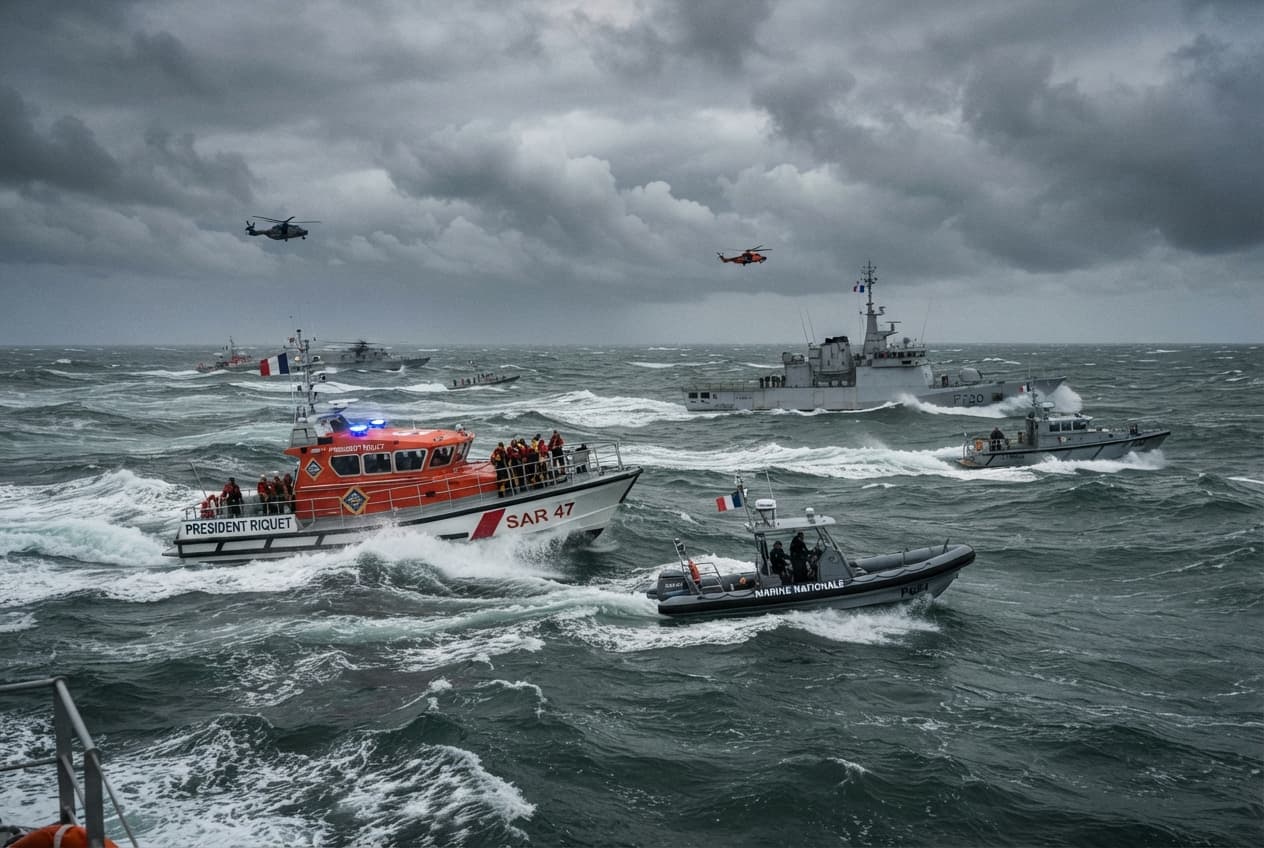
AI Image Disclaimer: The visual representations in this article are AI-generated illustrations designed to convey the strategic context of the region.
Sources: PBS NewsHour, The Guardian, Scripps News
Published by Banx Network. This article is part of the Banx decentralized media programme, powered by the BXE token on the XRP Ledger.