
Key Highlights
- Oil tankers cautiously resume passage through the Strait of Hormuz.
- The reopening follows a period of disruption, but uncertainty remains.
- Shipping companies and insurers are recalibrating their strategies.
The Strait of Hormuz, a vital artery for global oil transportation, has seen a cautious return of oil tankers in recent hours. This development comes after a period of significant disruption, raising questions about the stability of one of the world's most critical shipping routes. As vessels begin to navigate these waters again, the implications for global oil supply and market dynamics are profound.
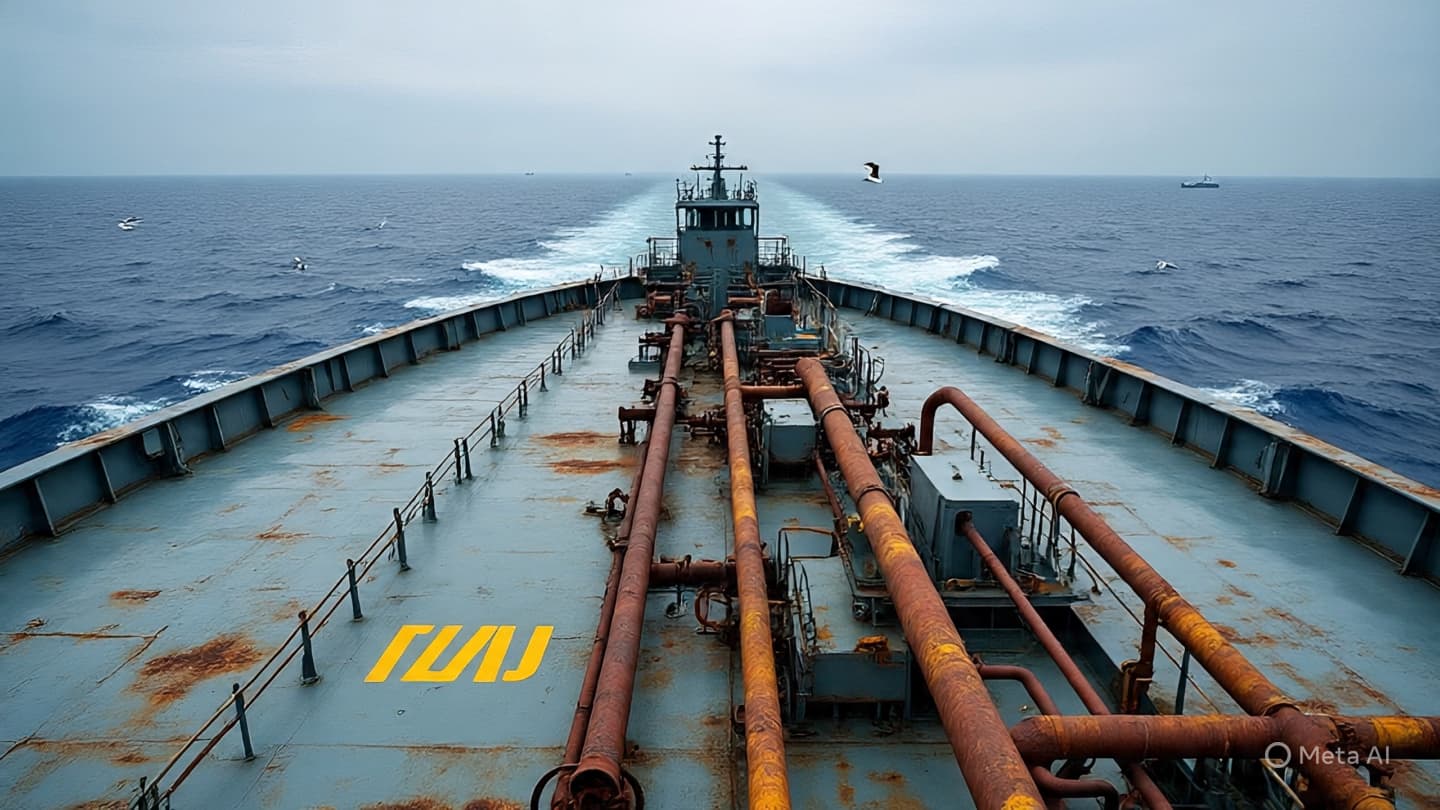
In the wake of reopening signals, oil tankers are testing the waters, moving through the strait with a mix of confidence and caution. Each voyage represents a calculated risk, as shipping companies and insurers closely monitor the evolving situation. The strait is responsible for a substantial portion of the world's oil flow, making its operational status crucial for maintaining market stability.
Despite the return of traffic, the reopening of the strait is not a straightforward process. It involves a gradual reassessment of conditions, with assurances that must be validated against the backdrop of ongoing geopolitical tensions. The presence of naval forces in the region serves as a reminder of the delicate balance that governs this critical passageway. These patrols are intended to reassure commercial vessels of their safety, even as the broader context remains fraught with uncertainty.
For the crews aboard the tankers, navigating the strait is both a routine task and a heightened experience. Navigation systems guide their journeys, but the atmosphere is charged with the awareness of recent events that have altered perceptions of safety and stability. Each checkpoint along the route carries significance, marking progress through a space where the stakes are high and the consequences of disruption can ripple through global markets.
Market reactions to the reopening have been measured, reflecting a cautious optimism among traders and analysts. The resumption of oil tanker traffic is a positive sign, alleviating immediate fears of supply disruptions. However, the lingering uncertainty tempers this optimism, as stakeholders remain acutely aware that the situation is fluid and subject to rapid change. Prices may adjust, but the underlying volatility of the market continues to pose challenges.
Diplomatic efforts are ongoing, aimed at reinforcing the conditions necessary for the strait to function without interruption. These discussions often take place behind the scenes, focusing on reducing tensions and restoring predictability to the region. The success of these diplomatic initiatives will be critical in shaping not only the immediate future of the Strait of Hormuz but also the broader geopolitical landscape.
As the day progresses, more vessels are expected to make the crossing, contributing to the gradual reestablishment of flow through the strait. While the reopening is a significant development, it remains provisional. Authorities and industry observers are acutely aware that stability in this region is rarely guaranteed. For now, the movement of tankers serves as both a practical necessity and a subtle reminder that even amidst uncertainty, global trade continues to navigate its challenges, one passage at a time.
Published by Banx Network. This article is part of the Banx decentralized media programme, powered by the BXE token on the XRP Ledger.



