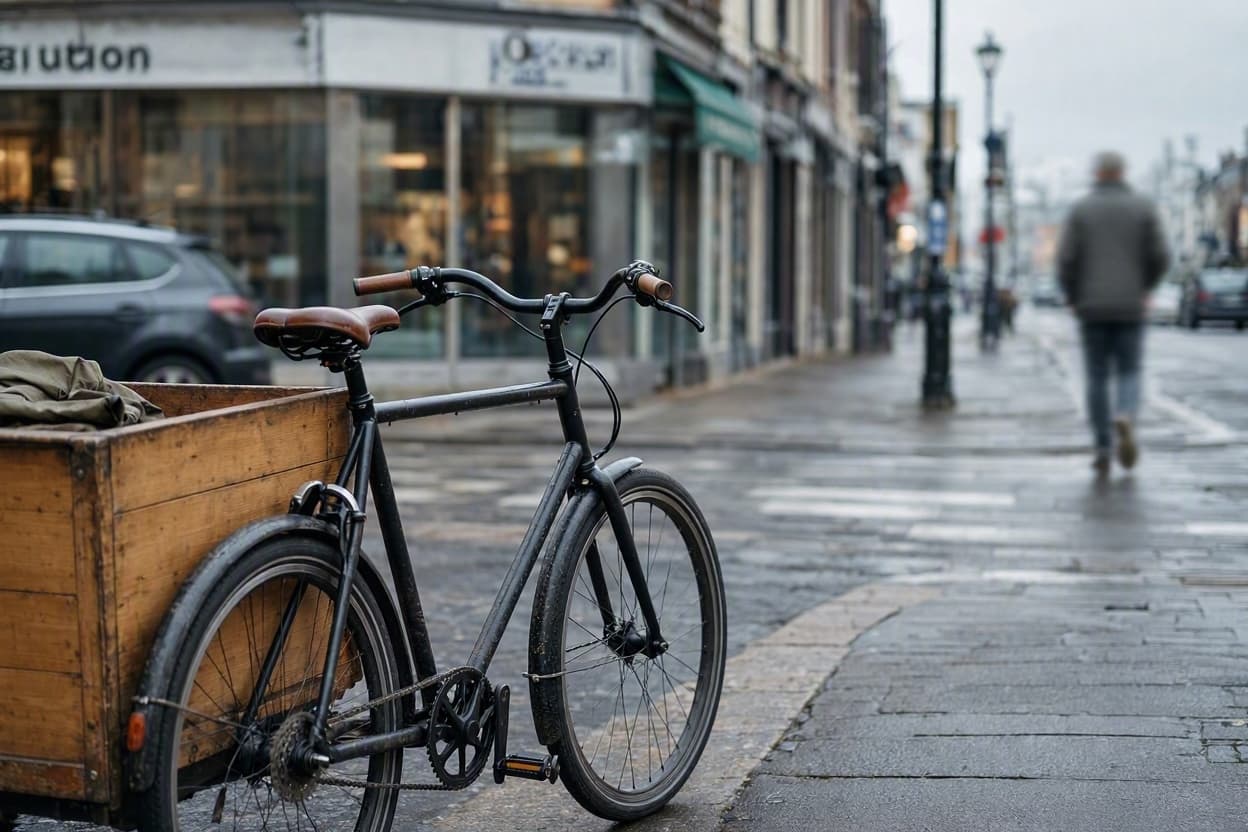
In the bustling streets of Montreal, where cycling is not just a mode of transport but a way of life, a new kind of vulnerability has emerged. The cargo bike, once a symbol of family convenience and urban efficiency, has become a target for a more sophisticated breed of theft. A recent video, captured by security cameras, reveals the brazen nature of these crimes, highlighting a shift in criminal tactics that prey on the high value and relative ease of stealing these large, expensive vehicles. It is a moment that invites reflection on the balance between urban mobility and security in a changing city.
The footage shows a thief approaching a parked cargo bike with calculated precision. Unlike traditional bicycle thefts, which often involve quick cuts to locks or opportunistic snatching, this incident demonstrates a methodical approach. The individual uses specialized tools to bypass security measures, loading the bulky bike onto a waiting vehicle with surprising speed. The entire operation takes mere minutes, underscoring the professionalism and planning involved in modern bike theft rings.
Cargo bikes, which can cost upwards of $10,000, have become increasingly popular in Montreal for their utility in transporting children and groceries. However, their size and weight make them difficult to secure with standard locks, and many public parking areas lack adequate infrastructure for such large vehicles. This gap in security creates an attractive opportunity for thieves who recognize the high resale value of these items on both local and international black markets.
The video has sparked a broader conversation about urban design and crime prevention. City planners and community advocates are calling for better-secured parking facilities, including covered cages and monitored zones specifically designed for cargo bikes. Without these improvements, cyclists remain exposed to risk, potentially discouraging the use of sustainable transport options that are vital for reducing traffic congestion and emissions.
Police officials note that bike theft is often linked to organized crime networks that operate across borders. Stolen bikes are frequently shipped overseas or stripped for parts, making recovery difficult. The rise in cargo bike theft reflects this broader trend, where high-value items are targeted for their liquidity and ease of transport. Combating this issue requires not just local enforcement but international cooperation and stricter regulations on second-hand sales.
For victims, the loss is more than financial; it disrupts daily routines and erodes trust in public spaces. Many families rely on cargo bikes for school runs and errands, and their sudden absence can create significant logistical challenges. The emotional impact of having one’s property violated in such a public manner adds to the sense of insecurity, prompting residents to question the safety of their neighborhoods.
Community groups are responding by organizing workshops on best practices for securing bikes, including the use of multiple locks and GPS trackers. These initiatives aim to empower cyclists with knowledge and tools to protect their investments. While no method is foolproof, increased awareness and collective action can help deter potential thieves and reduce the overall incidence of theft.
The video of the cargo bike theft serves as a stark reminder of the evolving challenges facing urban cyclists. As Montreal continues to embrace cycling culture, addressing the security gaps that enable these crimes is essential. Through improved infrastructure, community vigilance, and coordinated law enforcement efforts, the city can work toward a safer environment for all who choose to pedal its streets.
AI Image Disclaimer: Please note that any accompanying visuals for this article are AI-generated representations intended for illustrative purposes only.
Sources: CTV News Montreal CP24 CBC News Global News
Published by Banx Network. This article is part of the Banx decentralized media programme, powered by the BXE token on the XRP Ledger.